ISRAEL-PALESTINIANS/GAZA
The recent announcement by the United States regarding the Gaza ceasefire progressing to its second phase has prompted widespread analysis on the effectiveness and adherence to the initial phase by the conflicting parties: Israel and Hamas.
The ceasefire, aimed at halting the ongoing violence and alleviating the humanitarian crisis in Gaza, was initially initiated with high hopes for peace. Phase one focused on immediate cessation of hostilities, allowing for a critical pause in conflict and enabling humanitarian aid to reach those in dire need. However, the question remains: did both Israel and Hamas strictly observe the ceasefire terms during this phase?
On one hand, reports have indicated sporadic violations of the ceasefire by both sides. While large-scale military operations decreased significantly, incidents of rocket fire from Gaza and retaliatory strikes by Israel were still recorded, indicating that total compliance was not achieved. These breaches have contributed to persistent tensions and distrust between the two parties, complicating efforts for a sustained peace.
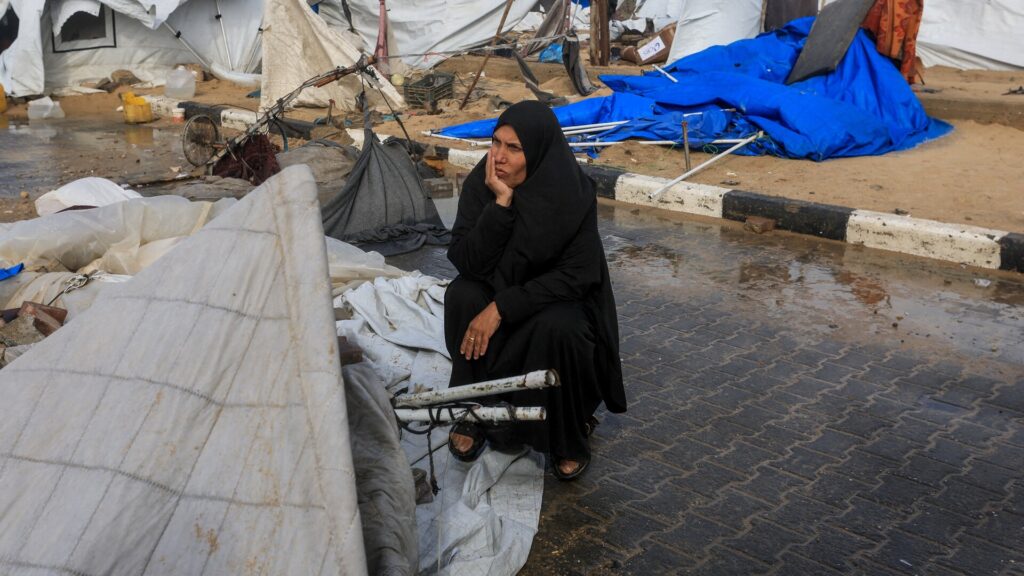
Furthermore, civilian populations on both sides continued to suffer. In Gaza, the blockade and damaged infrastructure limited the impact of humanitarian aid, exacerbating the plight of residents. In Israel, the threat of rocket attacks kept many communities on high alert, impacting daily life and safety perceptions.
Despite these challenges, the move to phase two reflects a cautious optimism by international stakeholders. Phase two is expected to involve broader measures, including easing blockades, increased humanitarian access, and steps towards longer-term conflict resolution.
Critics, however, caution that without full commitment from Israel and Hamas to honor ceasefire terms, and without addressing core political and territorial issues, phase two may face similar challenges. The ongoing complexities of the conflict, including deep-seated grievances and external influences, present substantial barriers to lasting peace.
In summary, while the transition to the next phase of the Gaza ceasefire marks a hopeful development, the effectiveness of the ceasefire’s first phase remains mixed. Continued international engagement, robust monitoring, and genuine dialogue between Israel and Hamas are essential to ensure that phase two can build on any progress made and move towards a durable resolution of the conflict.