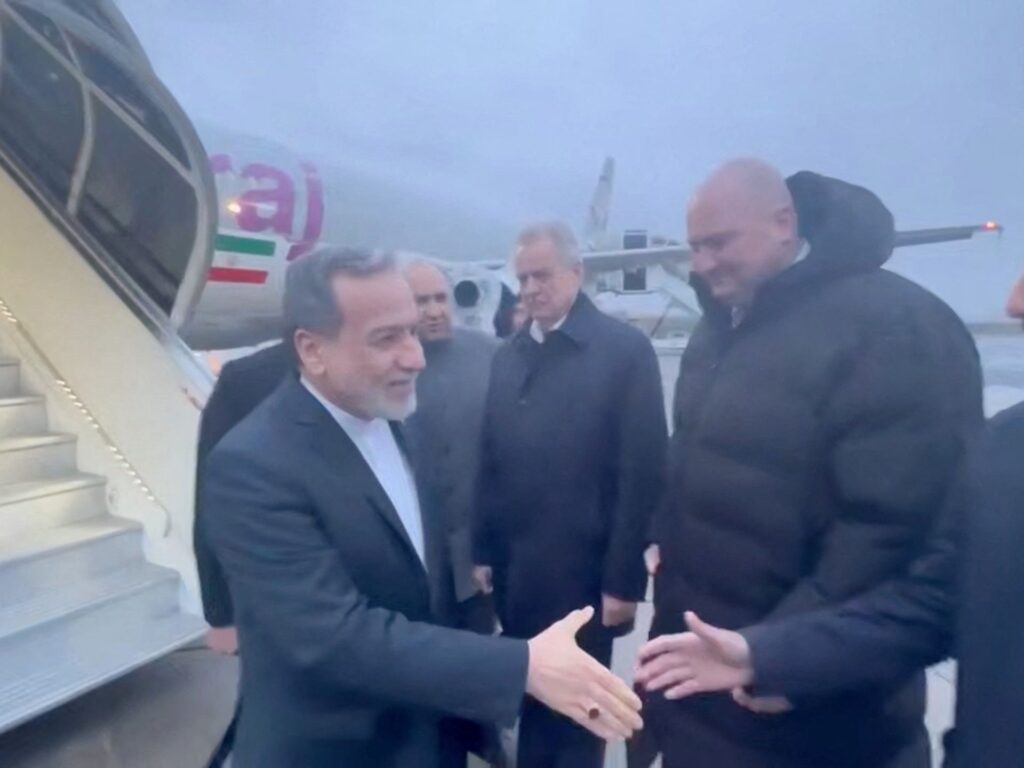
As the Iran war enters its 59th day, diplomatic activities have noticeably increased amid ongoing conflict. Key regional partners have engaged in discussions with Iran, aiming to foster a peaceful resolution through dialogue and negotiation. These diplomatic efforts represent a significant push to end hostilities and stabilize the region.
Iran’s leadership has been actively seeking diplomatic solutions, holding talks with neighboring countries and influential regional actors. These discussions focus on de-escalation measures, humanitarian concerns, and frameworks for a long-term peace agreement. The efforts reflect Iran’s strategic interest in reducing international isolation and mitigating the conflict’s economic and social impacts.
In a notable international development, former US President Donald Trump commented on the situation, suggesting that Iran could initiate direct communication with the United States if it wishes to pursue talks. This statement has added a new dimension to the diplomatic landscape, suggesting potential channels for dialogue outside formal diplomatic protocols.
The context of the conflict involves multiple geopolitical interests and complex regional dynamics. Iran’s position is influenced by its relationships with key countries in the Middle East, as well as its global alliances and adversaries. The conflict has affected energy markets, regional security, and international relations broadly.
Efforts by regional partners have included hosting talks, proposing ceasefire agreements, and mediating between conflicting parties. Countries such as Iraq, Turkey, and the Gulf states have played roles in facilitating communication and reducing tensions. These states are motivated by concerns over regional stability and economic consequences of prolonged warfare.
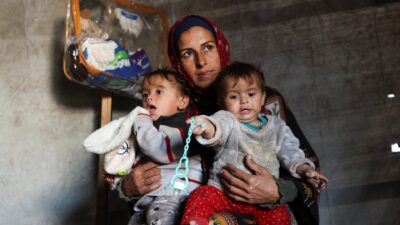
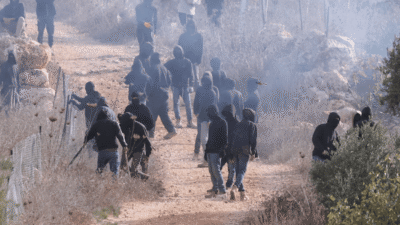
Meanwhile, on the ground, the conflict continues with varying intensity across different fronts. Humanitarian organizations report ongoing challenges in delivering aid and supporting displaced populations. The war has led to casualties, infrastructure damage, and significant disruption to civilian life.
International organizations and the United Nations have also called for urgent negotiations and respect for human rights amid the conflict. Sanctions and diplomatic pressures have been applied by various countries in attempts to influence the course of the war and bring parties to the negotiating table.
Analysts suggest that the diplomatic push represents a crucial juncture. The sustained dialogue could potentially pave the way for formal peace talks and conflict resolution, but underlying tensions and mistrust remain significant obstacles.
In summary, day 59 of the Iran conflict is marked by increased diplomatic engagements with regional partners and notable commentary from international figures like Donald Trump encouraging direct communication. While military confrontations persist, the diplomatic avenue offers hope for a peaceful resolution to the crisis through negotiation and mutual understanding.