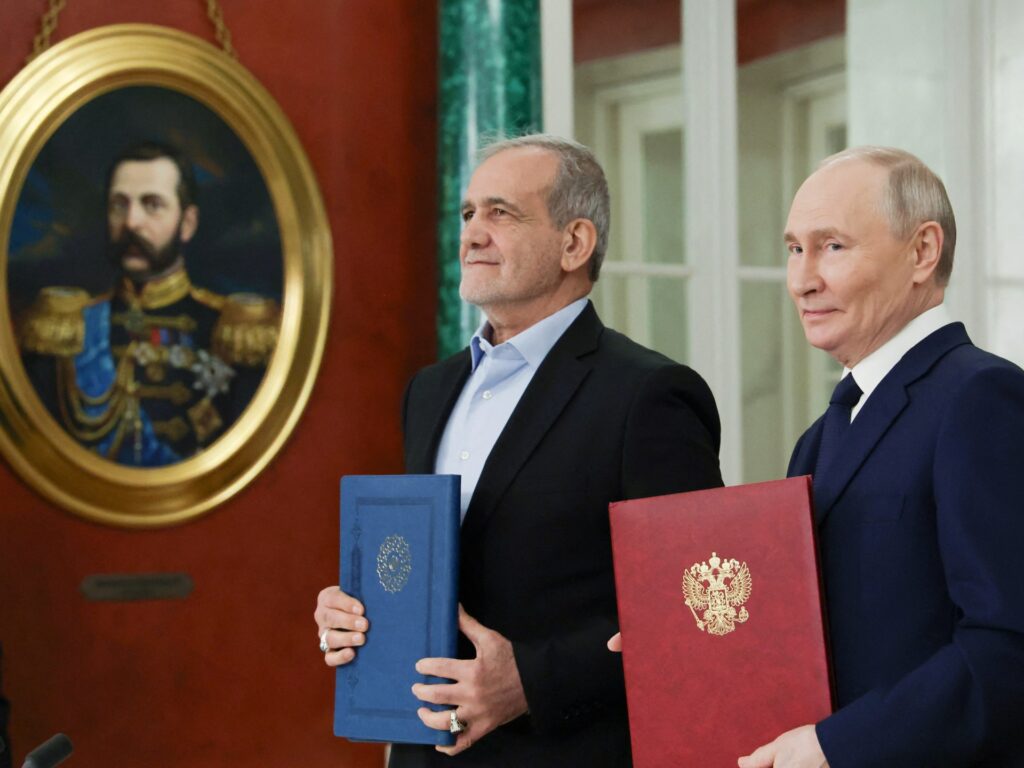
Russia’s cautious stance amid the recent unrest in Iran highlights Moscow’s strategic calculation to avoid what analysts call a ‘reputation failure.’ Despite the political tensions and widespread protests shaking Iran, Russia has maintained a muted response, revealing a complex interplay of diplomatic priorities and regional interests.
Historically, Russia and Iran have shared a cautious yet cooperative relationship, especially in geopolitical hotspots like Syria. However, the current protests in Iran, driven by political dissatisfaction and social grievances, have presented Moscow with a delicate dilemma. A former Russian diplomat, who preferred to remain anonymous, explained that intervention risks damaging Russia’s image on both the international stage and within the broader Muslim world.
“Russia is fully aware that overt involvement could backfire and portray it as an aggressor seeking to suppress legitimate dissent,” the diplomat said. Instead, Moscow appears to be biding its time, carefully balancing support for the Iranian government without overtly stepping into the internal conflict.
Political analysts suggest that Russia’s strategy is to avoid getting entangled in Iran’s domestic issues which could detract from its global diplomatic efforts. Iran’s unrest is primarily viewed by Moscow as an internal matter. Analysts note that Russia’s leadership recognizes the importance of maintaining a stable relationship with Tehran but without overt interference that could undermine Iran’s sovereignty or stir further international scrutiny.
Furthermore, Russia’s response is influenced by its broader geopolitical challenges, including tensions with Western countries and economic sanctions. Moscow is keen not to escalate conflicts that could lead to more sanctions or erode its fragile alliances.
Experts also highlight that Russia’s media coverage on the Iran protests is significantly restrained compared to Western outlets. This muted narrative also suggests a deliberate policy to prevent amplifying the unrest or encouraging opposition movements within Iran that might not align with Moscow’s interests.
In the context of Iran-Russia relations, Moscow’s silence speaks volumes. It conveys a message of cautious support without direct confrontation, reinforcing the idea that Russia prioritizes long-term regional stability over short-term political wins. This approach aligns with Russia’s broader foreign policy posture of avoiding overextension and maintaining its global influence amidst complex diplomatic landscapes.
The Iranian government, facing both internal dissent and external pressures, counts on its alliances, including with Russia, for diplomatic backing. However, Moscow’s muted response reflects a nuanced understanding of the risks associated with intervention, highlighting the often-invisible complexities that define international diplomacy.
As protests persist and political tensions escalate, Russia’s choice to remain on the sidelines may well preserve its reputation as a strategic actor rather than an unpredictable meddler. This cautious diplomacy may ultimately prove more beneficial in sustaining its long-term objectives in the Middle East and beyond.