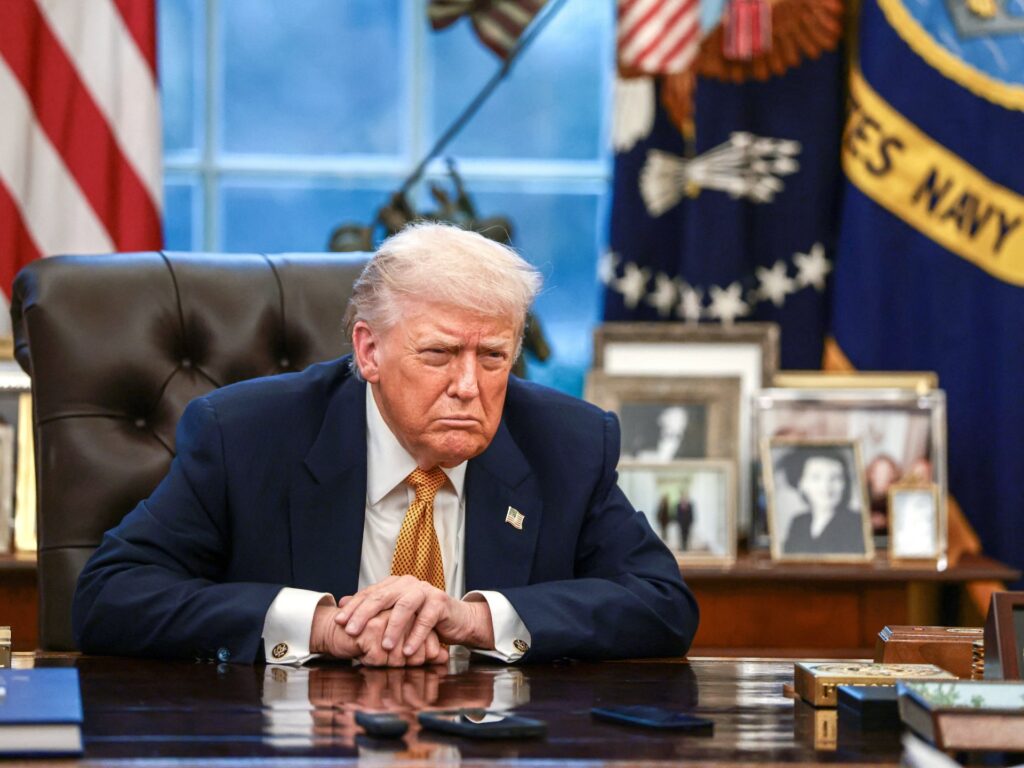
In a significant move announced recently, former President Donald Trump declared the suspension of immigrant visas from 75 countries, a policy set to take effect on January 21. This decision is part of ongoing efforts by the administration to tighten immigration controls and reshape the country’s approach to long-term immigration.
The suspension specifically targets immigrant visas, which are visas issued to individuals seeking permanent residence in the United States. Notably, this policy does not affect visitors or holders of short-term visas, such as tourists or those on business trips, who are permitted to continue traveling to the U.S. without interruption.
The 75 countries affected encompass a diverse range of regions and nationalities, reflecting a broad sweep in immigration policy. While the exact list of countries has not been detailed in the announcement, experts anticipate that it includes nations with historically high levels of immigration to the U.S., as well as those flagged for security concerns.
Critics argue that the suspension could have significant humanitarian consequences, particularly for families seeking to reunite or individuals pursuing new opportunities through lawful immigration channels. Human rights organizations have expressed concern about the potential for increased hardship and uncertainty for thousands of prospective immigrants.
Supporters of the policy contend it is a necessary step to protect American jobs and ensure national security. They argue that curbing immigration temporarily allows for a thorough reassessment of the vetting processes and immigration system efficiency.
The impact of this suspension will be felt across multiple sectors. Immigrant communities, legal assistance organizations, and employers relying on immigrant labor are among those poised to adjust to these new regulations. The policy is expected to increase demand for legal advice as individuals seek to understand their options and navigate the changing landscape.
It is also important to note that this suspension is a temporary measure with provisions for periodic review. Debates are already underway regarding its duration and potential adjustments based on evolving political and economic conditions.
For now, those planning long-term immigration must stay informed about eligibility changes and procedural updates. Continuous monitoring of announcements from government agencies such as the Department of State and U.S. Citizenship and Immigration Services will be crucial as the situation develops.
Overall, this visa suspension marks a pivotal moment in U.S. immigration policy, reflecting broader themes of security, economic protection, and national identity that continue to shape America’s approach to its role as a destination for immigrants worldwide.