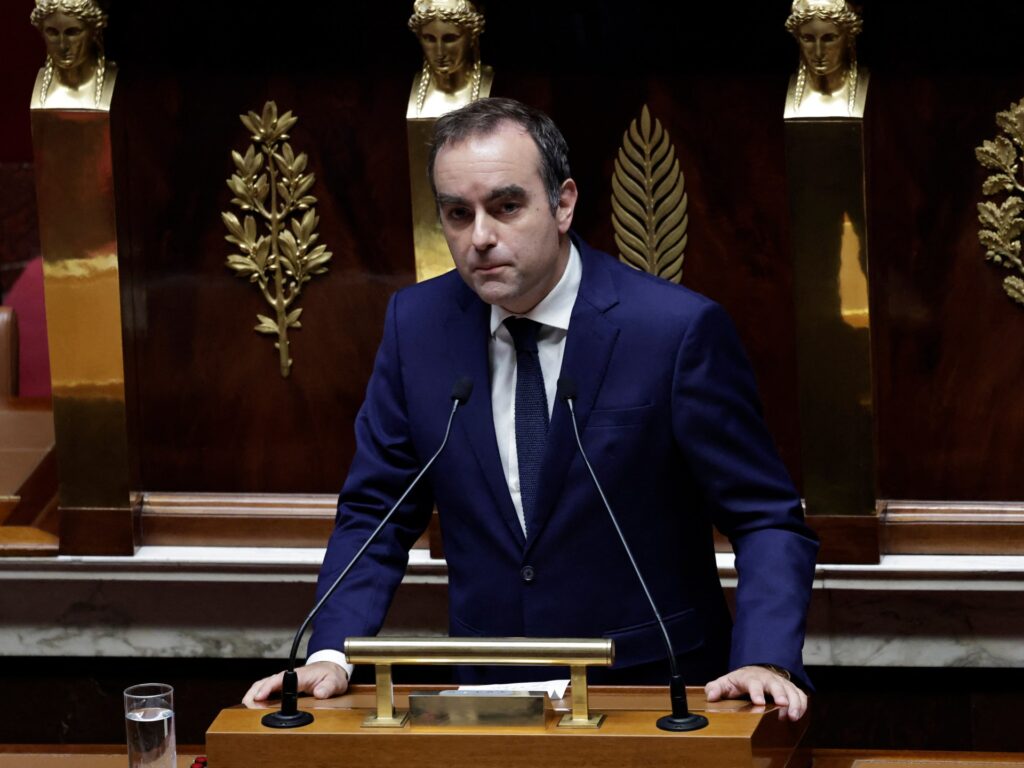
The French government recently faced and survived a series of no-confidence motions in the National Assembly. These motions were primarily driven by opposition parties expressing their disapproval of the European Union’s trade agreement with the MERCOSUR bloc, which includes Argentina, Brazil, Paraguay, and Uruguay. The deal has sparked significant debate within France, as critics argue that it could harm local agriculture and environmental standards.
Proponents of the agreement claim that it will boost economic ties, increase exports, and foster stronger relationships between the EU and South American countries. Despite the controversy, the government maintained enough support to withstand the votes, signaling a continued commitment to the trade deal and its broader trade policy agenda.
The no-confidence motions highlighted divisions not only between the government and opposition but also within the wider political landscape regarding globalization, trade, and environmental concerns. The government’s victory in these votes allows it to proceed with ratifying the agreement, although public opposition and protests are expected to continue.
Experts suggest that the EU-MERCOSUR trade agreement represents one of the largest trade partnerships in recent years, aimed at eliminating tariffs on about 90% of goods traded between the two blocs. Supporters argue this will provide economic growth opportunities and more competitive markets for European businesses.
However, environmental and agricultural groups remain skeptical, fearing the deal might undermine France’s strict agricultural regulations, threaten local farmers, and accelerate deforestation in the Amazon rainforest due to increased agricultural exports from South America. These concerns have been a significant reason behind the opposition’s challenge to the government through the no-confidence motions.
In response to the controversy, the French government has pledged measures to ensure environmental protections and to safeguard domestic agricultural interests. Nonetheless, critics remain unconvinced, continuing to push for more stringent oversight and modifications to the agreement.
The outcome of the no-confidence votes solidifies the government’s stance but does not mark the end of the debate. The political discourse around trade agreements, national sovereignty, environmental sustainability, and economic strategy is likely to persist in France and across the European Union.
As negotiations and discussions progress, this episode serves as a case study in balancing international trade ambitions with domestic political realities and environmental considerations. It underscores the complexities faced by governments in navigating global commerce while addressing the concerns of various stakeholders.
Looking forward, the French government and EU policymakers must work to address the concerns raised to maintain public confidence and support for international trade agreements. The survival of these no-confidence votes signals resilience in government policy but also highlights an ongoing challenge to harmonize economic objectives with environmental and social responsibilities.