In 2026, Yemen remains one of the most complex battlegrounds in the world, with multiple factions vying for control amid a dire humanitarian crisis. The ongoing conflict has fragmented the country, where different groups hold sway over various regions, each influencing Yemen’s socio-political landscape.
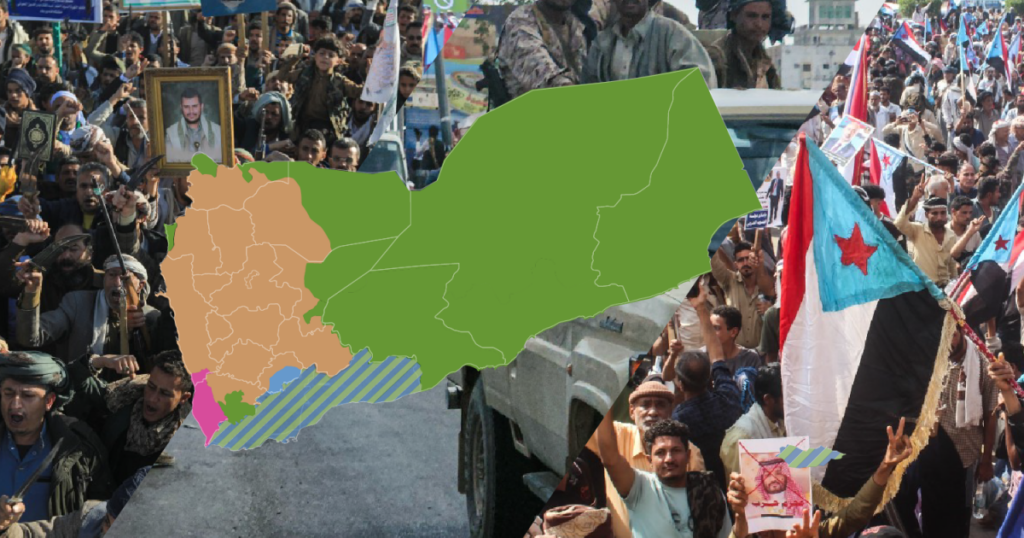
The Houthi movement retains significant control over the northern regions, including the capital, Sana’a. The group’s stronghold provides strategic and political leverage, allowing them to sustain their governance despite international opposition and blockade-induced shortages.
Saudi-backed forces, aligned with the internationally recognized government of President Rashad al-Alimi, dominate parts of the southern and eastern zones, including key port cities that are essential for humanitarian aid and commercial import routes. These areas serve as critical lifelines for Yemen’s economy and aid distribution.
Meanwhile, the southern separatists, represented mainly by the Southern Transitional Council (STC), control significant parts of southern Yemen, including the city of Aden. The STC seeks autonomy or independence for the south, contributing to intra-coalition tensions with the government forces.
Al-Qaeda in the Arabian Peninsula (AQAP) and ISIS affiliates exploit ungoverned spaces, primarily in the central and eastern desert areas. Their presence exacerbates insecurity, hindering humanitarian efforts and complicating military campaigns.
The fragmentation of control has devastated Yemen’s infrastructure and worsened the humanitarian situation, with millions facing famine, disease, and displacement. Humanitarian organizations struggle to provide relief amid ongoing conflict and bureaucratic impediments.
International diplomatic efforts continue, but progress remains fragile amid shifting alliances and deep-rooted grievances. The complexity of the control map reveals the challenges in achieving a unified and peaceful Yemen.
This multifaceted conflict, marked by territorial control battles and humanitarian catastrophes, underscores the urgent need for sustained international engagement and a comprehensive peace process.