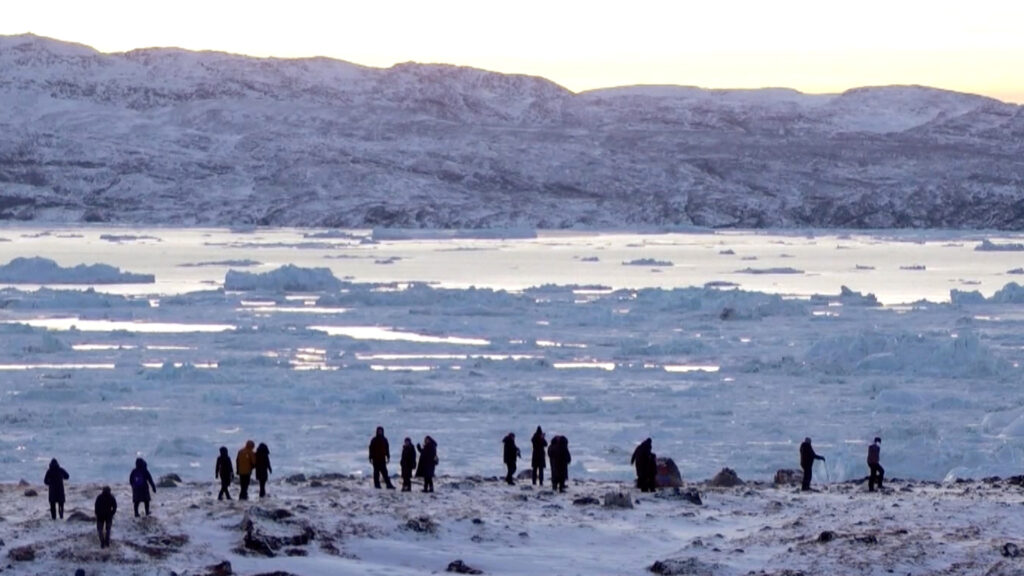
As the sun returns to Greenland after months of darkness, residents are facing a renewed sense of uncertainty. The arrival of the new year has been overshadowed by concerns over US President Donald Trump’s statements threatening to take over parts of the island. Greenland, a vast Arctic territory rich in natural resources and geostrategically important, has traditionally been under Danish sovereignty. However, Trump’s proposals and comments have stirred local apprehension about the future political landscape.
For many Greenlanders, the promise of a new day comes with new challenges. The prospect of increased American interest and potential acquisition raises questions about sovereignty, self-determination, and the preservation of Greenlandic culture and environment. Although the island enjoys a degree of autonomy, it remains part of the Kingdom of Denmark, which complicates any potential transfer of control.
Trump’s interest in Greenland is motivated by its strategic location and vast reserves of minerals and rare earth elements crucial for modern technologies. This has raised alarm bells internationally, as Arctic territories become key players in new geopolitical dynamics driven by climate change and resource exploration.
Residents express mixed feelings, with some hopeful that greater engagement by the United States could bring economic opportunities and investment. Others warn against foreign interference that could disrupt local governance and environmental protections.
The issue has also created diplomatic ripples, with Denmark firmly rejecting any sale or transfer of Greenland, emphasizing the island’s status and the wishes of its people. Meanwhile, the US administration maintains a cautious stance, not confirming any plans but highlighting the strategic importance of the Arctic region.
As Greenlanders adjust to longer daylight hours and the rekindling of their outdoor traditions, the undercurrent of geopolitical tension remains palpable. Community leaders call for clear communication and respect for Greenlandic voices in decisions affecting their homeland.
Environmentalists and indigenous rights advocates emphasize the need for sustainable development and resilience against external pressures that might prioritize resource extraction over ecological balance.
The return of the sun symbolizes hope and renewal, yet the questions of sovereignty and control cast a long shadow over Greenland’s horizon. The world watches as this Arctic land navigates the complexities of modern-day geopolitics and the fundamental right of its people to chart their own future.
In conclusion, Greenland stands at the crossroads of history and politics. The local population’s cautious welcome of the brightening days carries with it an unspoken plea for stability, respect, and the preservation of their unique way of life amidst external ambitions.