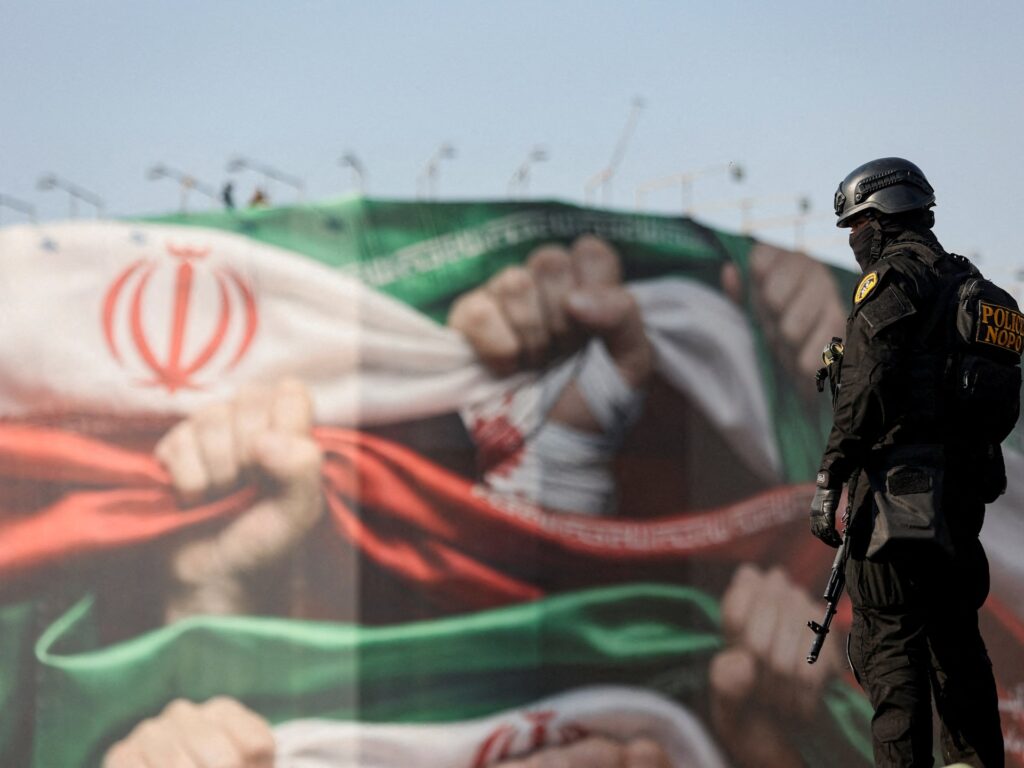
The ongoing protests in Iran have taken a critical turn as Tehran accuses Washington of deliberately inciting political destabilization within the country. Iranian officials claim that the United States, under the leadership of President Donald Trump, is seeking to “manufacture a pretext for military intervention”. This tension comes as President Trump has publicly warned of “strong action” in response to the unrest.
The protests in Iran were initially sparked by a combination of economic hardship, political dissatisfaction, and calls for greater freedoms. As the unrest spreads, the Iranian government has responded with a firm hand, seeking to control the situation and discredit external influences.
Tehran’s accusation suggests that the US is attempting to exploit the protests to justify potential military involvement. These claims deepen the already fraught relationship between the two countries, which have not had formal diplomatic ties since 1980.
President Trump’s statements have further alarmed the region, as his administration has maintained a hardline stance against Iran, including imposing strict economic sanctions and pursuing a policy of maximum pressure. Trump’s warning of “strong action” has been interpreted by many analysts as a veiled threat that could encompass a range of options, from increased sanctions to direct military engagement.
The Iranian government has also accused the US of supporting opposition groups and disseminating propaganda aimed at undermining Iran’s sovereignty. In turn, the US State Department has condemned the Iranian authorities for their crackdown on protesters and emphasized the need for the Iranian people to have their voices heard.
International observers remain concerned about the potential for escalation, calling for restraint on all sides. There is widespread fear that continued hostility and rhetoric might lead to a severe conflict that could destabilize the entire Middle East region.
In the meantime, protests continue to pose significant challenges to the Iranian leadership, highlighting the profound dissatisfaction among various sectors of Iranian society. The government’s response, combined with increasing international pressure, underscores the precarious state of affairs.
The situation remains fluid, with both Tehran and Washington entrenched in a battle of narratives. How this dynamic unfolds could have lasting implications not only for Iran and the US but for global geopolitical stability as well.