In October 2024, the Israeli government enacted a controversial law that bans the United Nations Relief and Works Agency (UNRWA) from operating within Israel and the occupied East Jerusalem territory. UNRWA is the primary international agency responsible for providing assistance, protection, and advocacy for Palestinian refugees in these regions. This move has triggered significant international concern and criticism from humanitarian organizations and political leaders worldwide.
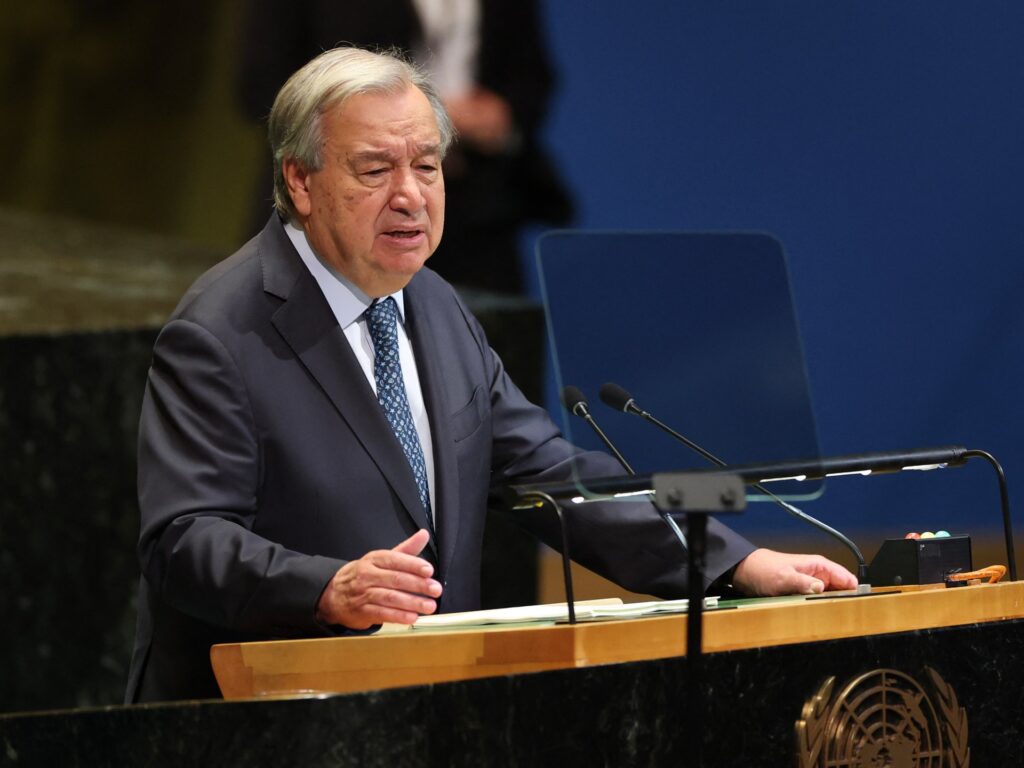
The UN Secretary-General has issued a strong warning in response to the Israeli legislation, indicating that the situation could be escalated to the International Court of Justice (ICJ) for judicial review. The Secretary-General expressed deep concern that the law undermines the rights and protections of Palestinian refugees who rely heavily on UNRWA’s services for education, healthcare, and social support.
The law banning UNRWA’s operations effectively restricts the agency’s ability to function, impacting thousands of Palestinian refugees who depend on its aid. Critics argue that the legislation violates international humanitarian and human rights laws, potentially disrupting decades of established UN mechanisms aimed at supporting displaced Palestinians.
Israeli officials have defended the law, stating it was designed to address what they describe as UNRWA’s alleged politicization and inefficiencies. However, international observers and the UN have countered that such actions risk exacerbating tensions in the already fragile Israel-Palestine context and undermine efforts towards lasting peace.
The potential referral to the ICJ marks a significant step by the UN to hold member states accountable when international agreements or humanitarian statutes are perceived to be breached. The Court, which addresses legal disputes related to international law, can provide advisory opinions on the legality of the Israeli law, bringing global judicial attention to the matter.
This development comes amid ongoing disputes over the status of refugees in the region, a core issue in the Israel-Palestine conflict that has long political and humanitarian implications. The UN remains committed to protecting refugee rights and ensuring that agencies like UNRWA can continue their critical work without political interference.
As the situation unfolds, the international community watches closely, understanding that the outcome could set important precedents regarding the protection of refugees and the role of international organizations in conflict zones. The warning from the UN Secretary-General emphasizes the seriousness of the legal and humanitarian challenges posed by Israel’s new law and signals a possible escalation through international legal channels.