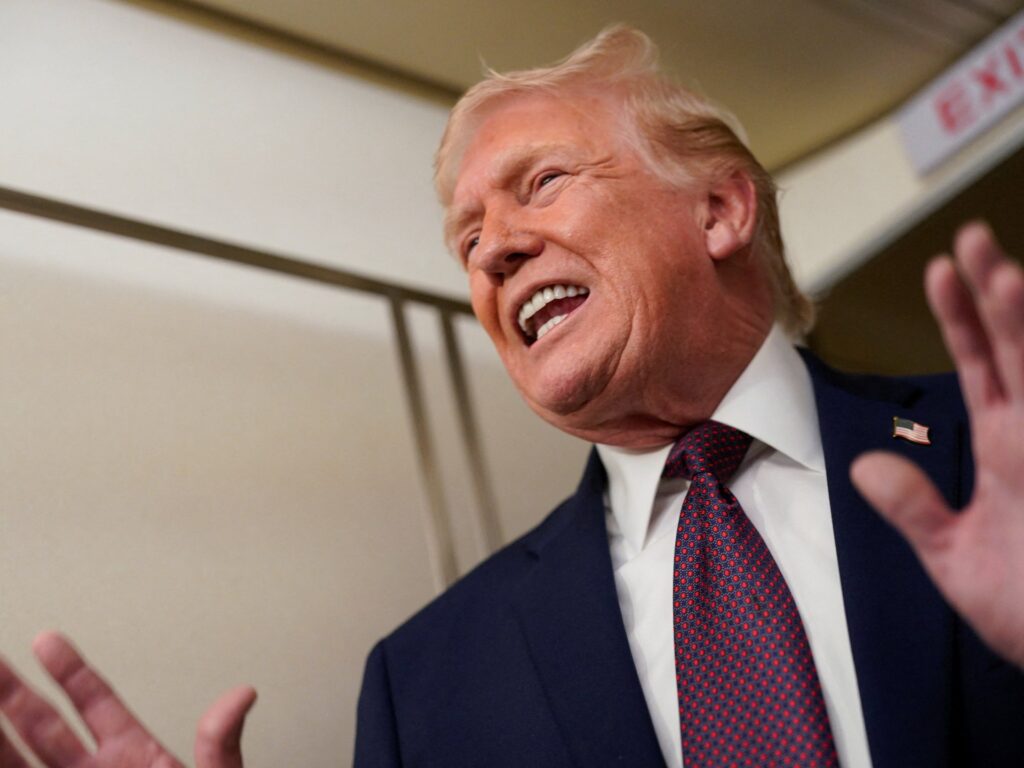
In a significant development in US-Iran relations, former President Donald Trump has canceled scheduled meetings between the United States and Iran. This decision marks a hardening of the US stance amid ongoing tensions and unrest within Iran. Trump has publicly declared that “help is on the way” for Iranian protesters who have been engaging in widespread demonstrations against the Iranian regime. These protests, largely driven by demands for political freedom and economic reforms, have attracted international attention and calls for global support.
Trump’s call to action comes at a time when the Iranian populace faces severe crackdowns as the regime attempts to suppress dissent. He has urged protesters to take control of Iranian institutions as part of their push for change, signaling a more activist approach in supporting the uprising. This encouragement highlights a shift from diplomatic engagement towards backing internal resistance movements as a strategy to challenge the ruling government.
The cancellation of US-Iran meetings suggests a breakdown in attempts at dialogue and a possible escalation in tensions between the two nations. The Trump administration’s message resonates with factions within Iran advocating for regime change, while also raising concerns about the potential for increased instability in the region.
Observers note that Trump’s firm stance coincides with broader international calls for holding the Iranian regime accountable for human rights violations amid the protests. The global community watches closely as these developments unfold, with fears of further conflict tempered by hope for a peaceful resolution driven by popular demand.
As the situation evolves, the United States’ position under Trump underscores a focus on empowering Iranian citizens to assert their rights and dismantle authoritarian structures. The long-term implications of these actions will depend on the response of Iran’s government, the resilience of the protest movement, and the international community’s capacity to support democratic aspirations within the country.
In summary, Trump’s cancellation of US-Iran meetings combined with his vocal encouragement of the protest movement symbolizes a pivotal moment. It reflects a strategic shift toward leveraging grassroots opposition to influence political change in Iran, amid a complex and volatile geopolitical landscape.