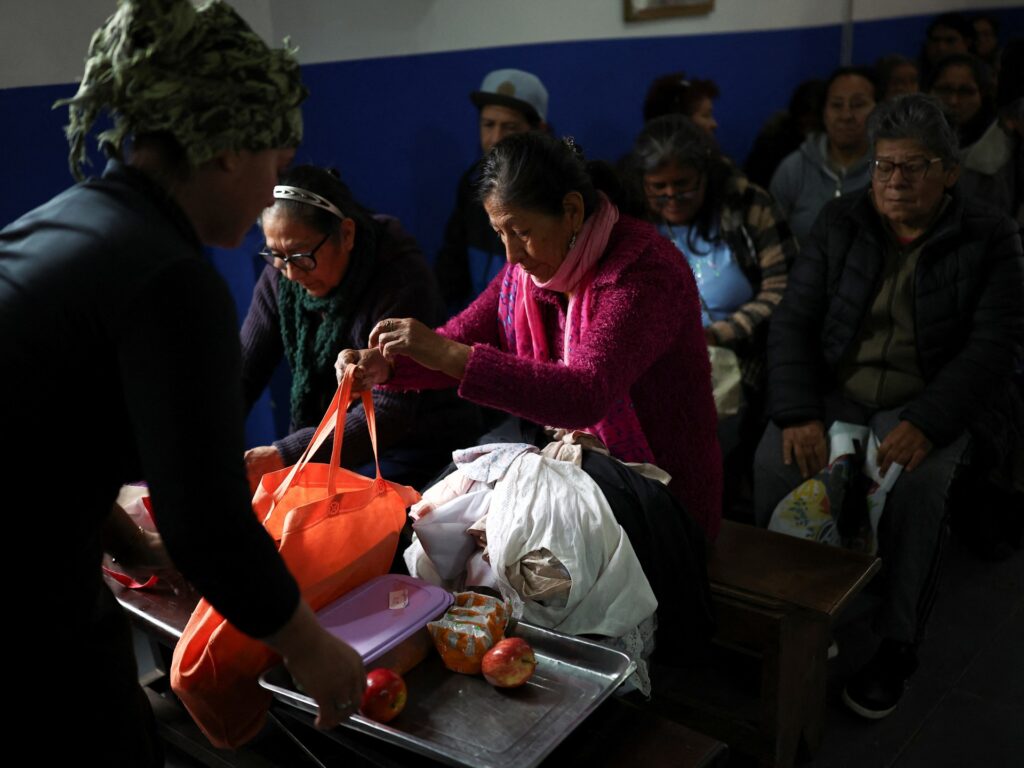
Argentina is facing a troubling economic situation as the country’s poverty rate has escalated to 32 percent during the presidency of Javier Milei. This marks a significant increase and signals growing challenges for the nation’s vulnerable populations. The rise in poverty is particularly notable in the first half of 2026, where statistics reveal a 4.1-percentage-point increase. Such a surge could undermine the public support for President Milei, casting doubts on his prospects for re-election.
Economic experts emphasize that the rapid increase in poverty levels reflects deeper structural problems within Argentina’s economy. Factors contributing to this rise include inflation, high unemployment, and insufficient social safety nets. Despite efforts by the government to stabilize the situation, the economic indicators suggest more pain is ahead for millions of Argentinians.
The poverty rate reaching nearly one-third of the population presents significant social and political challenges. Increased poverty typically leads to greater social unrest, heightening demand for government intervention and comprehensive reforms. President Milei, who came into office with a promise of economic change, now faces pressure to deliver results amidst these mounting difficulties.
Early in his tenure, President Milei implemented several economic policies intended to stimulate growth and reduce the fiscal deficit. However, these measures have not yet reversed the widening economic disparities causing the surge in poverty. Critics argue that austerity measures and reduced subsidies disproportionately impact lower-income households, exacerbating their hardships.
Looking ahead, projections by economists suggest that unless there are major policy shifts or international financial support, Argentina’s poverty rate may continue to climb. This would further strain the country’s resources and could lead to greater political instability. The growing hardship among citizens could erode Milei’s political base, complicating his efforts to secure a second term.
Social organizations in Argentina are calling for urgent attention to address poverty and inequality. They advocate for expanded social programs, job creation strategies, and inflation control measures to alleviate the dire conditions many face daily. Public opinion polls indicate that economic performance remains the top issue for the electorate, making it critical for the government to act swiftly.
In summary, Argentina’s poverty rate now stands at 32 percent under President Milei, with a sharp increase observed in early 2026. This trend forecasts tough challenges ahead for the nation’s economy and political landscape. The government’s response in the coming months will be pivotal in shaping Argentina’s future stability and growth prospects.