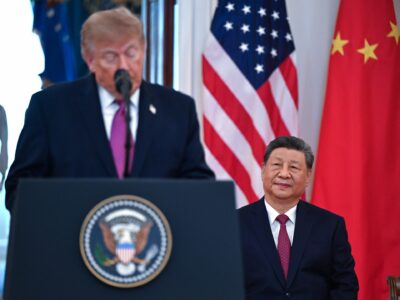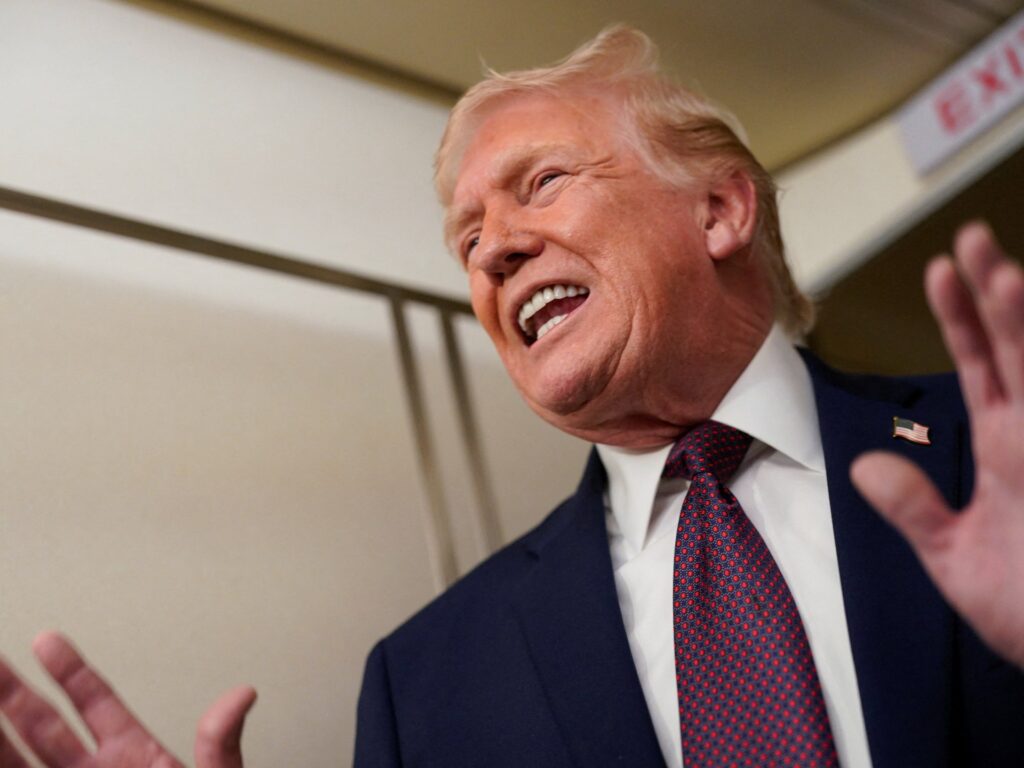
Former U.S. President Donald Trump has abruptly canceled scheduled meetings concerning Iran, as calls for intensified action against the Iranian regime grow louder. In the wake of widespread protests throughout Iran, Trump has publicly declared that “help is on the way” for Iranian protesters fighting for change.
The decision to cancel the meetings comes amid an escalating political and social crisis in Iran. Protesters across the country have intensified their demonstrations against the government, demanding significant reforms and greater freedoms. Trump’s remarks have been seen as an expression of strong support for the demonstrators.
In his recent statements, Trump urged the protesters to take bold and decisive action, encouraging them to seize control of governmental institutions. This call to action has further increased tensions between the United States and Iran, a country already grappling with internal unrest and external pressures.
The Iranian protests, initially sparked by economic grievances and social restrictions, have evolved into a broader movement challenging the nation’s leadership and demanding systemic change. International observers have noted the resilience and determination of the protestors despite harsh crackdowns by security forces.
Trump’s cancellation of diplomatic discussions signals a shift in U.S. strategy, at least in rhetoric, toward a more confrontational approach aimed at supporting opposition forces inside Iran. His declaration of imminent assistance to the protestors has been met with mixed reactions globally, with some viewing it as encouragement for democratic movements while others warn of increased instability.
Analysts suggest that the timing of Trump’s statements and actions might be aimed at exerting maximum pressure on the Iranian regime amid ongoing negotiations related to sanctions and nuclear agreements. The U.S. administration’s stance reflects a complex balance between promoting human rights and managing geopolitical risks in the Middle East.
As the situation develops, the international community watches closely, hoping for a resolution that respects the aspirations of the Iranian people while maintaining regional stability. The coming weeks are likely to be critical for both the protestors and the Iranian government, with potential repercussions extending far beyond the country’s borders.
In summary, Trump’s cancellation of Iran meetings and his call for protesters to take over institutions underscore the heightened tensions and the uncertain future facing Iran. His message that “help is on the way” fuels hopes for change among protestors but also raises questions about the regional consequences of increased external involvement in Iran’s internal affairs.