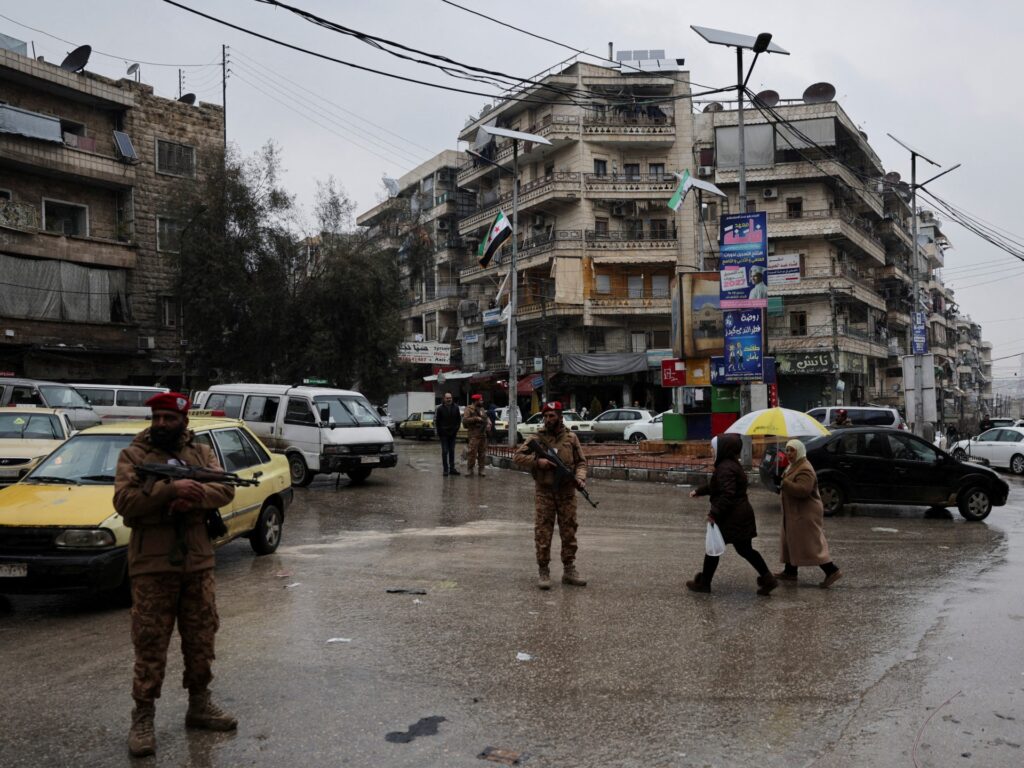
In recent developments in the ongoing conflict in Syria, the Syrian Army has reportedly sent troops to the rural areas of Aleppo. This strategic deployment aims to prevent any attempts by the Syrian Democratic Forces (SDF) to regroup and consolidate their military presence in the region, particularly around the eastern Aleppo countryside.
The decision to send troops to these rural zones underlines the Syrian government’s intent to maintain control and stability in key territories amidst escalating tensions. The Syrian Army’s move represents a proactive strategy to counter potential advances or reorganization by opposition groups and ensure the security of the Aleppo province.
On the other side, the Syrian Democratic Forces have officially denied claims that they have deployed military forces to the Deir Hafer front, an area in the eastern Aleppo countryside. The SDF’s statement refutes accusations that they are maneuvering to bolster their position in this contested region, signaling their reluctance or strategic decision to avoid direct confrontation there at this time.
The situation in Aleppo remains complex and fluid, with multiple factions vying for influence and control. The Syrian government forces’ deployment to rural Aleppo underscores the critical nature of the region in the broader conflict dynamics. Control over Aleppo is vital due to its strategic location and historical significance in the Syrian civil war.
The SDF’s allegiance and operational objectives often differ from those of the Syrian government, leading to periodic clashes and confrontations. However, denials from the SDF regarding their military activities reflect the ongoing propaganda and information warfare that accompany the physical confrontations on the ground.
Observers note that this latest troop movement by the Syrian Army could escalate tensions in eastern Aleppo and potentially lead to renewed clashes if the SDF attempts to respond militarily. Both sides are likely maintaining heightened alertness and readiness in preparation for any shifts in the battlefield dynamics.
The international community continues to monitor the situation with concern, recognizing the fragile nature of peace and security in Syria. Any escalations or changes in troop deployments often have ripple effects, impacting not only local populations but also regional stability and international diplomatic efforts.
The rural areas around Deir Hafer have strategic importance due to their geographical position and the movement routes they control. Securing these areas allows for greater operational freedom and logistical support to advancing forces.
As the Syrian Army fortifies its presence in these rural zones, it reinforces its control and sends a message to opposing forces about its determination to retain strategic advantages. This move also reflects the broader tactical approaches employed by the Syrian government to counter opposition forces including the SDF.
Meanwhile, the SDF’s denial of military deployment to the Deir Hafer front could indicate a focus on other fronts or a strategic decision to avoid overstretching its resources. The refusal to confirm troop movements also highlights the opaque nature of military operations in Syria, where information is closely guarded or disputed.
The developing scenario poses significant challenges for civilians living in these contested rural areas. Increased military activity inevitably leads to heightened risks, displacement, and humanitarian concerns that complicate an already dire situation.
Efforts towards a peaceful resolution continue, though the persistence of troop movements and denials underline the complexities faced by any diplomatic negotiations. The situation calls for renewed dialogue and initiatives to prevent further escalation and to promote stability in Aleppo and beyond.
In summary, the Syrian Army’s deployment to rural Aleppo to counter potential SDF regrouping efforts exemplifies the ongoing strategic maneuvers defining the Syrian conflict. The SDF’s denial of troop movements to the Deir Hafer front adds another layer of complexity, emphasizing the contested nature of information and control in this volatile region.
Stakeholders and analysts will be watching closely to see how these developments influence the broader conflict and what steps follow from both military and political actors in pursuit of their objectives.