In a bold move escalating tensions on the international stage, U.S. President Donald Trump has announced that any country engaging in business with Iran will face a hefty 25 percent tariff. This declaration is part of a broader strategy that includes the threat of military action against Iran, especially as the country faces widespread antigovernment protests.
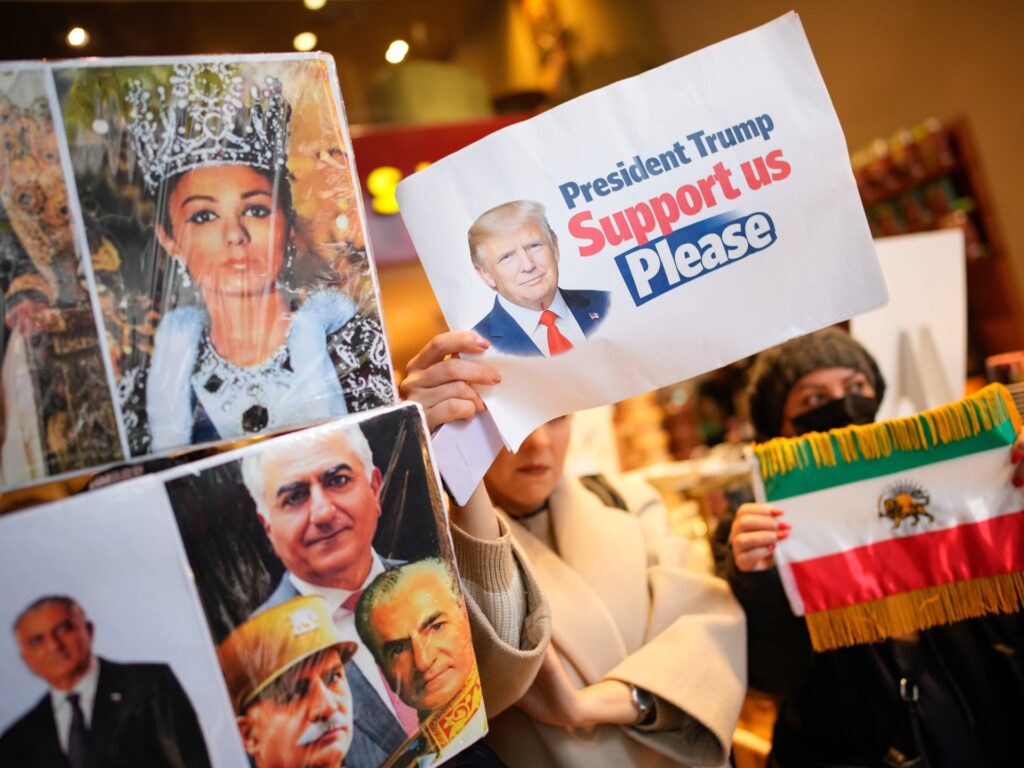
President Trump’s statement comes at a time of significant unrest in Iran, where protests have erupted across multiple cities. The protests, driven by economic hardship and political dissatisfaction, have drawn global attention and international concern.
The U.S. administration’s decision to impose a 25 percent tariff on nations conducting business with Iran is a clear signal of its intent to isolate Tehran economically. This measure aims to pressure Iran’s government by limiting its international trade opportunities, thereby potentially reducing its financial resources.
This policy shift reflects a hardline stance by the Trump administration, emphasizing maximum pressure on Iran to curb its regional influence and nuclear ambitions. The threat of military strikes adds a layer of urgency and severity to the situation, hinting at possible direct intervention if diplomatic efforts fail.
The international community’s response to this declaration has been mixed. Some U.S. allies have expressed support for measures to curtail Iran’s activities, while others are wary of escalating conflict and its broader implications for global stability.
The economic implications of the tariff could be significant, not only for Iran but also for countries with established trade relations with Tehran. Nations must now weigh the potential costs of facing U.S. tariffs against the benefits of continued commerce with Iran.
Market analysts predict disruptions in global oil markets, given Iran’s role as a major oil exporter. Increased tariffs and heightened tensions could lead to fluctuations in oil prices, affecting economies worldwide.
In domestic terms, President Trump’s announcement is likely to resonate with his base, reinforcing his tough stance on foreign policy and national security.
Meanwhile, the ongoing protests in Iran underscore the internal strife facing the regime. The combination of external pressure and internal dissent could contribute to significant political changes within the country.
Experts caution that while economic sanctions and tariffs are powerful tools, their effectiveness depends on international coordination and the ability to sustain pressure over time.
As the situation develops, the global community watches closely. The balance between diplomatic negotiation and military threat presents a complex challenge for policymakers.
President Trump’s 25 percent tariff threat marks a pivotal moment in U.S.-Iran relations. It signals a willingness to confront Iran aggressively, using economic and military tools to influence its behavior.
The coming weeks will be critical in determining whether these measures will lead to de-escalation or further confrontation in the Middle East.
In summary, President Trump’s announcement of a 25 percent tariff on countries trading with Iran, coupled with the threat of military strikes, signifies a significant escalation in U.S. policy. This approach aims to isolate Iran economically and politically amid widespread unrest within the country, potentially reshaping regional and global dynamics in the months ahead.