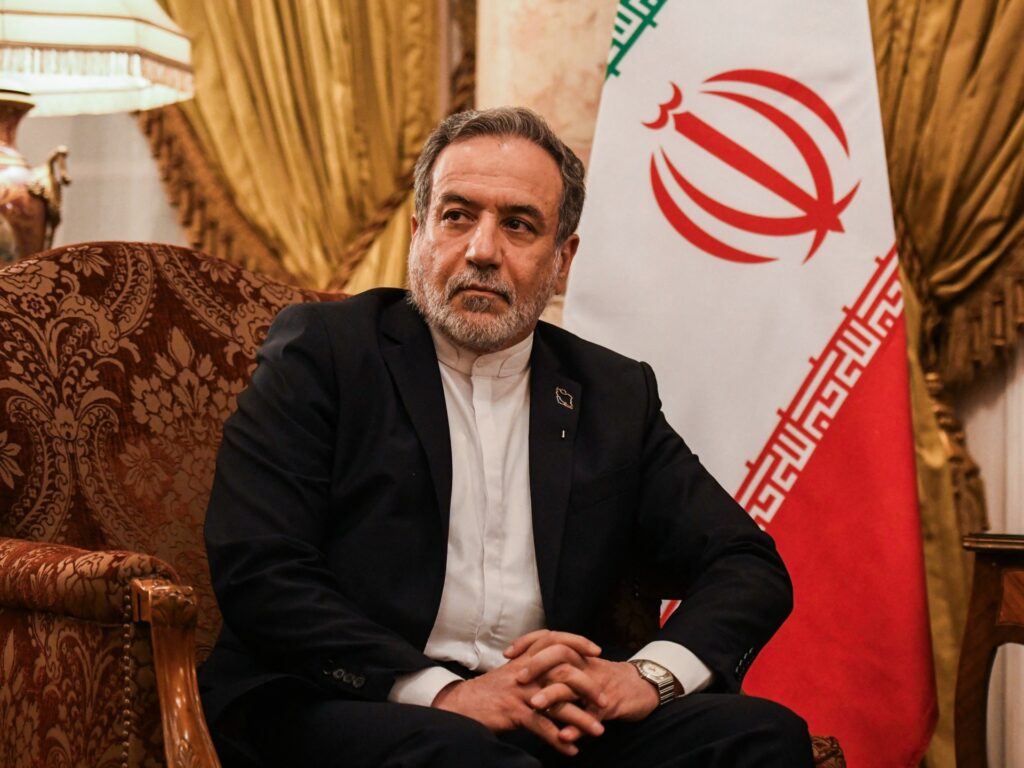
In a recent and tense development in international relations, Iranian Foreign Minister Abbas Araghchi issued a stark warning to the United States, stating that Iran is prepared for war if Washington intends to ‘test’ its resolve. This statement comes amidst heightened tensions following former US President Donald Trump’s threats of intervention in the region.
Foreign Minister Araghchi emphasized that while Iran hopes for a peaceful resolution through dialogue, it is equally ready to defend its sovereignty and interests if provoked. He indicated that Iran is standing firm and vigilant, prepared to respond decisively to any acts of aggression.
The backdrop of this warning is a period of strained US-Iran relations, marked by disputes over Iran’s nuclear program, economic sanctions, and regional influence. Trump’s administration had taken a hardline stance towards Iran, including withdrawing from the 2015 nuclear agreement and imposing sanctions aimed at curtailing Iran’s nuclear ambitions.
Araghchi’s message underscores a critical crossroads: Iran is extending an olive branch toward diplomatic dialogue, which it describes as the ‘wise option,’ but also signaling readiness for conflict if deterrence fails. This dual approach highlights the complex and fragile state of diplomacy in the Middle East.
Experts note that such declarations are significant as they may either mark a deterrent posture meant to prevent escalation or could heighten risks of misunderstandings leading to armed confrontation. The international community watches closely as Iran’s warnings to the US play out amidst broader geopolitical rivalries.
The US, for its part, has reiterated its policy of maintaining maximum pressure on Iran while remaining open to negotiations under certain conditions. However, Trump’s rhetoric has at times fueled concerns about the potential for military conflict.
Iran’s readiness for war is a serious statement reflecting the high stakes in the region. It serves as a reminder of the enduring volatility and the need for careful diplomacy to avoid escalations that could have devastating consequences for regional and global stability.
In conclusion, Iranian Foreign Minister Araghchi’s warning is both a call for prudence from the United States and a clear message that Iran will protect its national interests aggressively if challenged. The hope remains that both parties will choose dialogue over conflict, securing peace and stability in a region long plagued by confrontation.