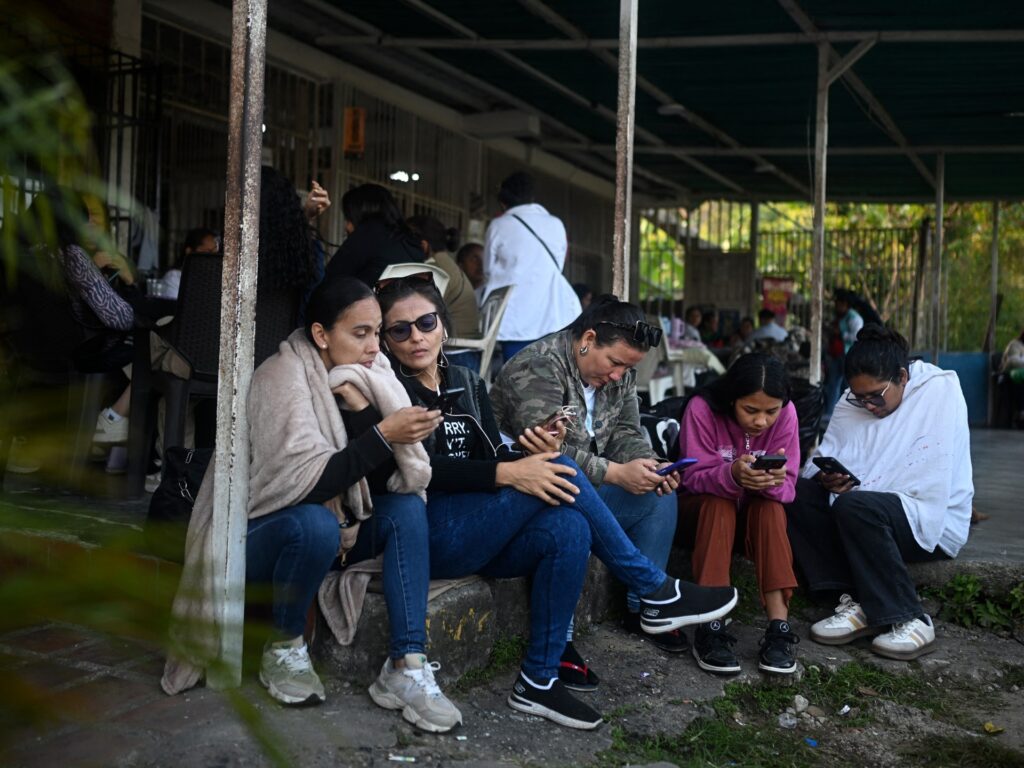
Venezuela has announced the release of more than 100 political prisoners, a significant development in the country’s ongoing political tensions. According to the Penitentiary Services Ministry, those freed had been “deprived of their liberty” due to participation in disruptive acts. This announcement signals a potential shift in the government’s approach to dissent and political opposition.
The released individuals include activists, opposition figures, and protestors who were detained over the past years amid Venezuela’s turbulent political landscape. The government has faced domestic and international criticism over human rights abuses and the imprisonment of political opponents.
In a related event, Pope Francis met with Maria Corina Machado, a prominent Venezuelan opposition leader known for her critical stance against the administration. Their meeting is seen as symbolic, highlighting the Pope’s growing involvement in Venezuela’s political crisis and efforts toward reconciliation.
The Pope has repeatedly called for peace, dialogue, and respect for human rights in Venezuela. His meeting with Machado underscores his engagement with all political sectors, aiming to foster national dialogue.
The release of political prisoners may ease tensions between the government and opposition, potentially opening doors for renewed negotiations. However, opposition groups remain cautious, emphasizing the need for concrete political reforms and guarantees for democratic freedoms.
Human rights organizations have welcomed the release but continue to call for the liberation of all individuals detained for political reasons. They stress the importance of safeguarding civil liberties and ensuring due process.
These developments come at a critical time as Venezuela faces mounting economic challenges, social unrest, and international pressure. The international community, including the United Nations and various governments, have urged the Venezuelan authorities to respect human rights and pursue inclusive political solutions.
The Penitentiary Services Ministry’s statement did not specify the exact number of prisoners released beyond “over 100,” nor did it detail the criteria used to determine eligibility for release. Analysts speculate that this move may be aimed at improving Venezuela’s international image amid ongoing sanctions and scrutiny.
Opposition leaders, including Machado, have expressed cautious optimism, calling for continued efforts to address political imprisonment and promote democratic governance. They remain vigilant in monitoring the situation to ensure that releases are not merely symbolic but part of a broader strategy for national reconciliation.
As Venezuela navigates this complex political landscape, the role of international actors, including religious figures like Pope Francis, remains significant in encouraging dialogue and peaceful resolution.
In conclusion, the release of over 100 political prisoners in Venezuela marks an important development, potentially heralding a new phase of political openness. The concurrent meeting between Pope Francis and opposition leader Maria Corina Machado emphasizes the international community’s focus on Venezuela’s need for dialogue, human rights, and democratic restoration. The path forward remains uncertain, but these events provide cautious hope for progress amid ongoing challenges.