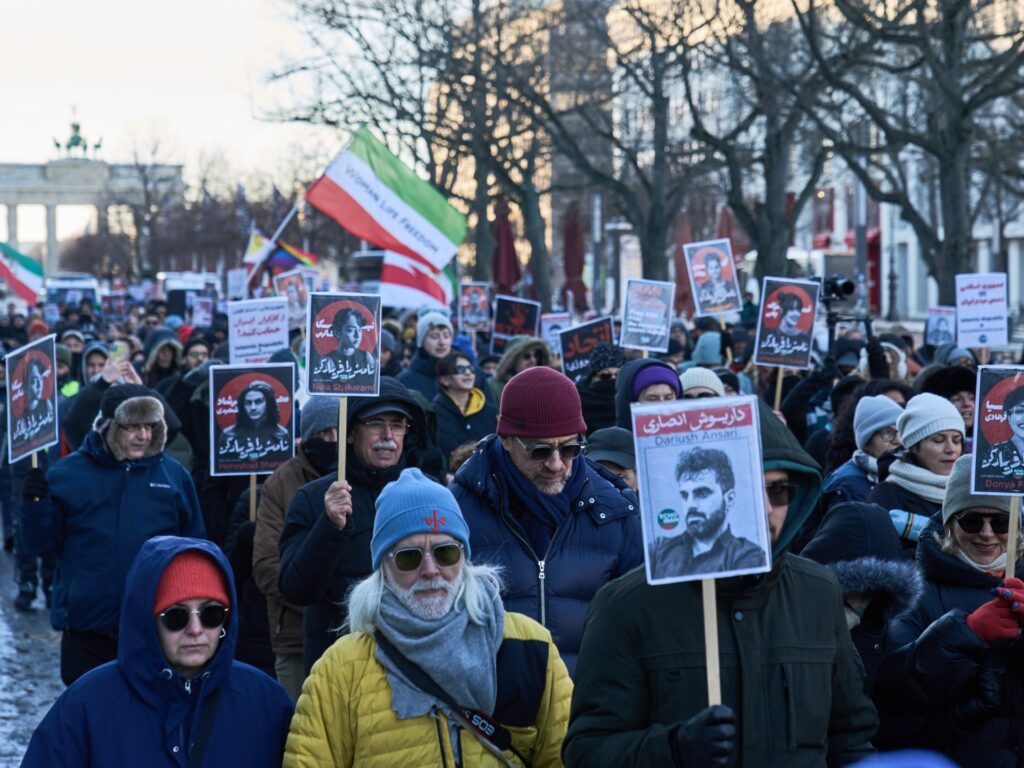
Iran’s political landscape features several opposition groups challenging the current regime, each with distinct backgrounds and objectives. A prominent figure in this fragmented opposition is Reza Pahlavi, the heir of Iran’s former monarchy. Historically, these opposition groups include monarchists, liberals, ethnic minorities, and reformists who all share a desire for change, though their visions for Iran’s future often differ.
Reza Pahlavi remains a symbolic leader for monarchists who advocate for the restoration of the Pahlavi dynasty and a secular government. Alongside monarchists, liberal and secular opposition groups call for democratic reforms and expanded civil liberties. These groups are often based abroad, particularly in Western countries, where they engage in political activism and campaign for international support.
Ethnic minority groups, such as Kurds, Azeris, Arabs, and Baluchis, also form significant opposition factions. These communities seek greater autonomy and rights within Iran, challenging the central government’s policies that often marginalize them.
Additionally, reformist elements within Iran strive for gradual change from within the existing political framework, advocating for civil rights, freedom of expression, and anti-corruption measures. Their efforts, however, face severe limitations under the current political system.
Despite their differences, these opposition groups together underline the diversity of Iran’s political dissent. They vary from advocating peaceful reform and negotiation to outright regime change. The Iranian government’s repressive stance has pushed many opposition figures into exile, where they continue to influence international discourse concerning Iran.
In summary, Iran’s main opposition groups include the monarchists led by figures like Reza Pahlavi, liberal and secular activists, ethnic minority groups demanding rights, and reformists seeking change from within. Their fragmented but persistent resistance highlights ongoing challenges to the Iranian regime and reflects the complex political dynamics inside and outside the country.