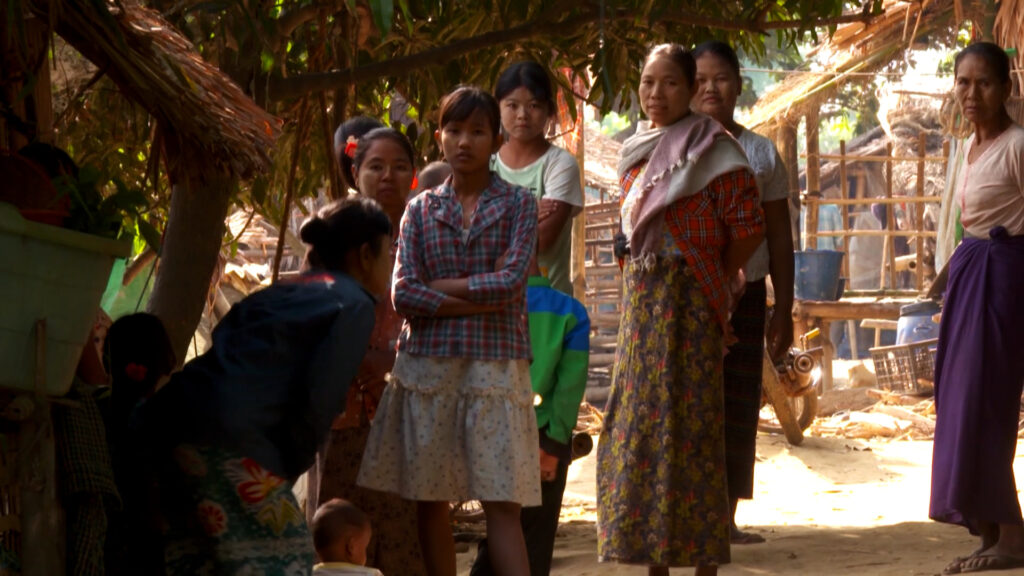
Myanmar is currently grappling with a major crisis as millions of its citizens have been displaced due to ongoing fighting and conflict. In a nation where political tensions are already high, these displaced populations find themselves at the center of a contentious issue surrounding voter eligibility in the upcoming elections.
The elections in Myanmar are being conducted under the auspices of a military government that seized power in a coup. This government has organized the elections amidst widespread controversy and international condemnation. One of the critical humanitarian and political challenges is that many displaced citizens, who have fled their homes to escape violence, are not able to participate in the electoral process.
Displacement in Myanmar has reached staggering levels, with entire communities uprooted from their traditional villages and towns. Many of these internally displaced persons (IDPs) reside in camps or makeshift shelters lacking proper documentation, which is critical for voter registration. Without the necessary identification papers or proof of residency, these citizens face barriers to registering and casting their votes.
Moreover, the military government’s voter registration mechanisms do not adequately accommodate displaced populations. Voting lists are often tied to specific localities, and if displaced individuals have moved across regions or are living in precarious conditions, they are effectively disenfranchised. This exclusion raises important questions about the legitimacy and fairness of the elections, as a significant segment of the population is effectively barred from political participation.
The situation is further complicated by ongoing violence and instability, which hinders humanitarian access to conflict zones and IDP camps. The lack of security and infrastructure makes it difficult not only for displaced people to engage in the voting process but also for electoral bodies to organize free and fair elections across the country.
Human rights organizations and international observers have expressed deep concern over the disenfranchisement of displaced citizens in Myanmar. They argue that true democratic elections cannot be achieved without the inclusion of these marginalized groups, who represent voices critical to the country’s future.
The exclusion of displaced populations from voting not only undermines the legitimacy of the electoral process but also risks further alienating already vulnerable communities. Many displaced citizens feel abandoned and excluded from national decision-making, exacerbating tensions and grievances that have fueled the conflict.
As Myanmar approaches its elections under military rule, the question of who can vote is not just a technical issue but a fundamental human rights concern. Inclusive participation is essential for any meaningful democratic transition, yet current conditions leave millions of displaced citizens without a voice.
The international community continues to watch closely, urging Myanmar’s authorities to ensure that all citizens, regardless of their displacement status, have the opportunity to exercise their democratic rights. Without such measures, the elections risk perpetuating divisions and failing to reflect the will of the entire population.
In conclusion, the plight of displaced citizens in Myanmar—excluded from voting due to lack of documentation and the upheaval caused by conflict—highlights the deep challenges facing the country’s political process under military control. Addressing these challenges is crucial for fostering peace, stability, and democratic governance in Myanmar’s troubled future.