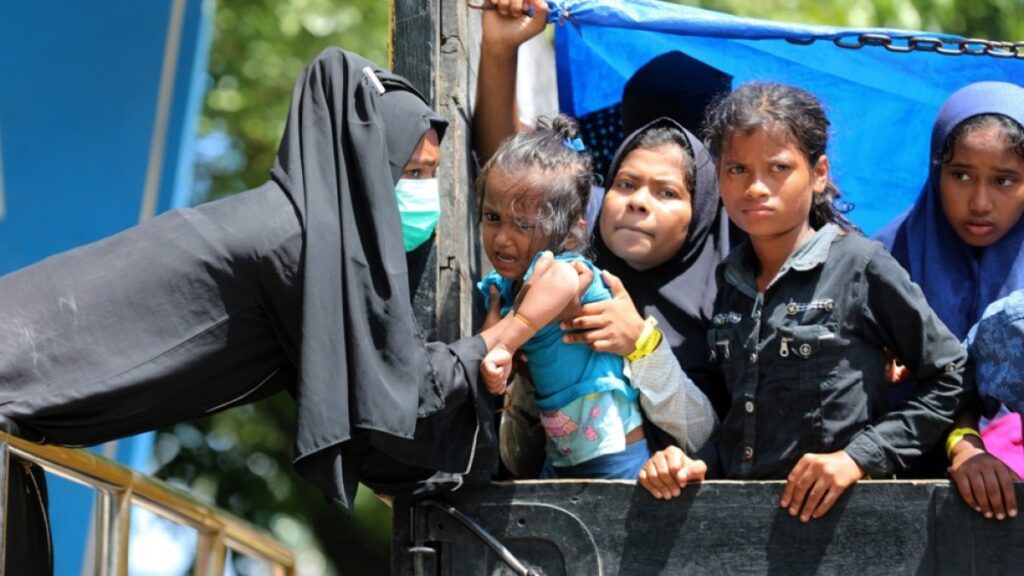
The International Court of Justice (ICJ), the United Nations’ principal judicial organ, has commenced a groundbreaking case concerning allegations of genocide against the Rohingya Muslim minority in Myanmar. This marks the ICJ’s first full genocide trial in over ten years, highlighting the severity and urgency of the issue.
The case was initiated following a request by The Gambia, a small West African nation, which accused Myanmar of violating the 1948 Genocide Convention by orchestrating mass atrocities against the Rohingya population. The Rohingya, a persecuted ethnic group primarily living in Myanmar’s Rakhine state, have faced decades of systemic discrimination, statelessness, and targeted violence.
In 2017, a brutal military crackdown led to over 700,000 Rohingya fleeing to neighboring Bangladesh, resulting in one of the world’s worst humanitarian crises. Refugees recount widespread killings, sexual violence, and village burnings committed by Myanmar’s armed forces, leading to allegations of genocidal intent.
The ICJ hearings are being closely watched by the international community, with many Rohingya refugees in Bangladesh holding onto hope that justice will finally be served. Legal experts note the complexity of proving genocide under international law, which requires demonstrating intent to destroy, in whole or part, an ethnic, religious, or racial group.
This trial is significant not only for the Rohingya but for the global rule of law and accountability for mass atrocities. It sends a message that impunity for genocide cannot be tolerated and that international institutions are willing to confront challenging human rights abuses.
Myanmar has denied all allegations of genocide, characterizing the military operations as counter-terrorism measures aimed at insurgent groups. The government has challenged the ICJ’s jurisdiction but has thus far participated in the proceedings.
The case is expected to span several months, with hearings involving testimonies from survivors, experts, and officials. The ICJ will ultimately determine whether Myanmar violated its obligations under the Genocide Convention and could issue binding orders to prevent further harm to the Rohingya.
If successful, the ruling could pave the way for more robust enforcement mechanisms and heightened global attention on resolving long-standing ethnic conflicts. For the Rohingya refugees who have endured immense suffering and displacement, the ICJ’s efforts represent a beacon of hope for justice and recognition.