In a recent statement, Iran’s Pezeshkian has vowed to take decisive action to address the country’s ongoing economic challenges, emphasizing the government’s commitment to restoring stability and improving living conditions. Amidst the economic concerns, Pezeshkian issued a stern warning against what he labeled as ‘rioters,’ urging the public to actively prevent such elements from causing chaos and destruction within the nation.
The political landscape in Iran remains tense, with the president strongly accusing external forces, particularly the United States and Israel, of deliberately fuelling unrest in the country. According to Pezeshkian, these foreign actors are seeking to destabilize Iran by inciting dissent and provoking protests that could escalate into broader social disorder.
Highlighting the geopolitical dimension, Pezeshkian’s accusations point to a conspiracy aimed at weakening Iran’s internal cohesion and jeopardizing its sovereignty. The rhetoric underscores the government’s narrative that external enemies exploit domestic issues to foment instability.
Within this context, the government’s approach balances between addressing legitimate economic grievances raised by the populace and cracking down on those perceived as threats to national security and order. Pezeshkian called on citizens to remain vigilant and united against those who seek to exploit economic hardships for disruptive purposes.
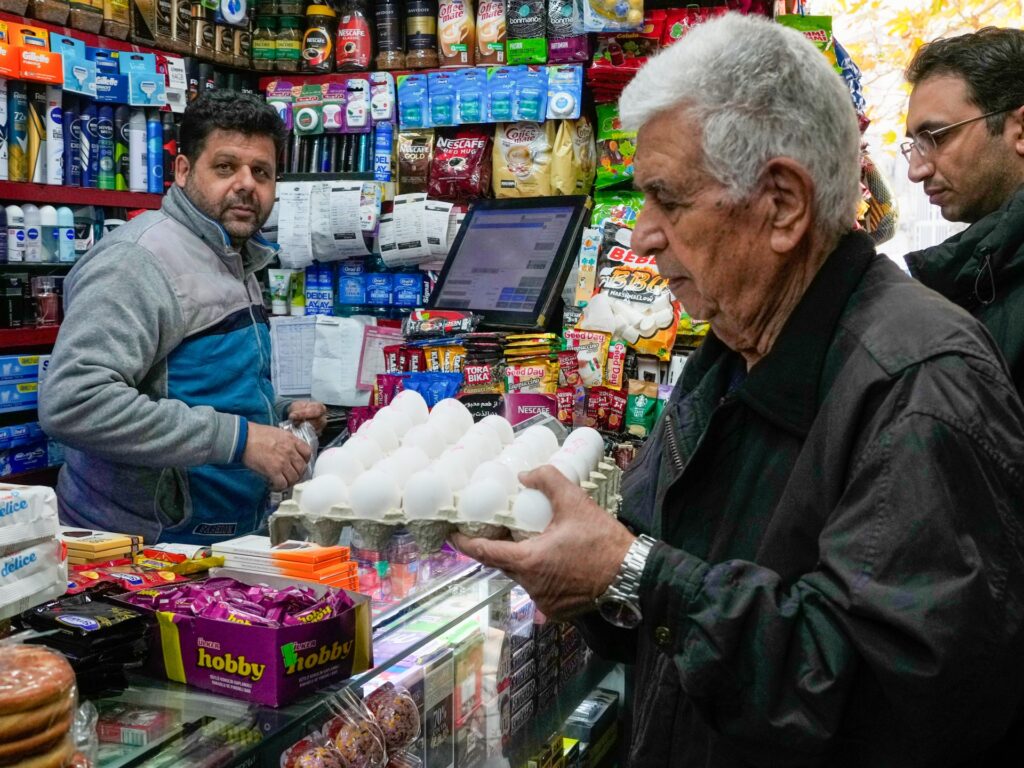
The economic challenges facing Iran include inflation, unemployment, and sanctions-related difficulties that have strained the economy and affected everyday life. Pezeshkian pledged that the administration would implement measures to mitigate these issues, reassuring the public of their commitment to economic recovery and social stability.
Public sentiment remains divided, with many sympathizing with protesters highlighting economic crises, while others heed the call for peace and caution against violence and destruction. The government’s messaging reflects a desire to maintain control and prevent the escalation of protests into violent clashes.
International observers watch closely as Iran navigates this critical juncture, noting that the handling of both economic reform and civil unrest will have profound implications for the country’s future trajectory.
In summary, Pezeshkian’s recent declarations articulate a dual focus: taking tangible steps to improve Iran’s economy and mobilizing the public to counteract what the government describes as disruptive rioters, allegedly influenced by foreign adversaries. This approach illustrates the complex interplay between domestic policy challenges and international geopolitical tensions facing Iran today.