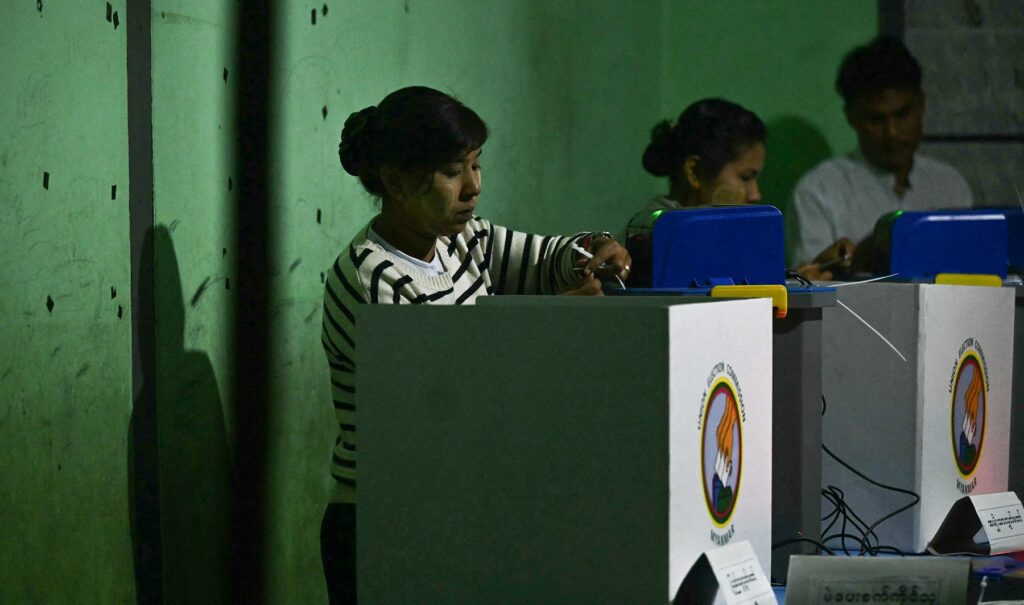
Myanmar has recently witnessed a highly controversial election marked by significant disputes and unrest. Al Jazeera has provided on-the-ground reports from rebel-held areas, offering a rare glimpse into the complex political landscape of this Southeast Asian nation. The election, already fraught with contention, saw a second round of voting held amid widespread skepticism about its legitimacy.
The country has been politically divided for years, with various ethnic armed groups controlling significant territories outside the central government’s reach. The electoral commission’s decision to hold a second round of voting was an attempt to address some of the procedural concerns raised in the initial voting day, but it did little to quell doubts among both domestic observers and international communities.
In rebel-held regions, the election process was exceptionally complicated. These areas face infrastructural challenges, limited governmental presence, and ongoing conflicts, all of which make organizing and overseeing transparent elections challenging. Al Jazeera’s journalists reported from these zones, reporting firsthand on voter sentiment, security conditions, and the operational difficulties experienced.
Local populations in these regions expressed mixed feelings about the election. While some voters saw participation as a way to voice their aspirations for peace and representation, others regarded the process as largely symbolic or even futile given the historical suppression of minority rights and ongoing violence.
International observers have criticized the election processes in Myanmar, citing lack of fairness, transparency, and freedom. These criticisms are compounded by reports of military influence and restrictions on political freedoms, especially after the military coup that occurred earlier this year. The election is seen by many as a pivotal moment, potentially shaping the country’s governance and the balance of power between civilian and military forces.
Al Jazeera’s coverage from the rebel-held territories is significant because it highlights perspectives and realities often excluded from mainstream narratives. Their reports shed light on the resilience of these communities, the complexities of Myanmar’s ethnic politics, and the challenges faced in striving toward democracy.
Overall, the election’s outcome remains uncertain and highly contested. The second round of voting has not resolved key disputes but has intensified calls for greater international attention and intervention. Myanmar’s path forward is fraught with obstacles, demanding sustained efforts to achieve peace, democratic governance, and respect for human rights across all regions of the country.