Iran is currently facing one of its most severe internal crises in recent years, with widespread protests erupting across the country. The government has initiated a harsh crackdown in response, resulting in numerous casualties. Official reports state that dozens of police officers have been killed during confrontations with protesters who are defying the government’s attempts to suppress dissent.
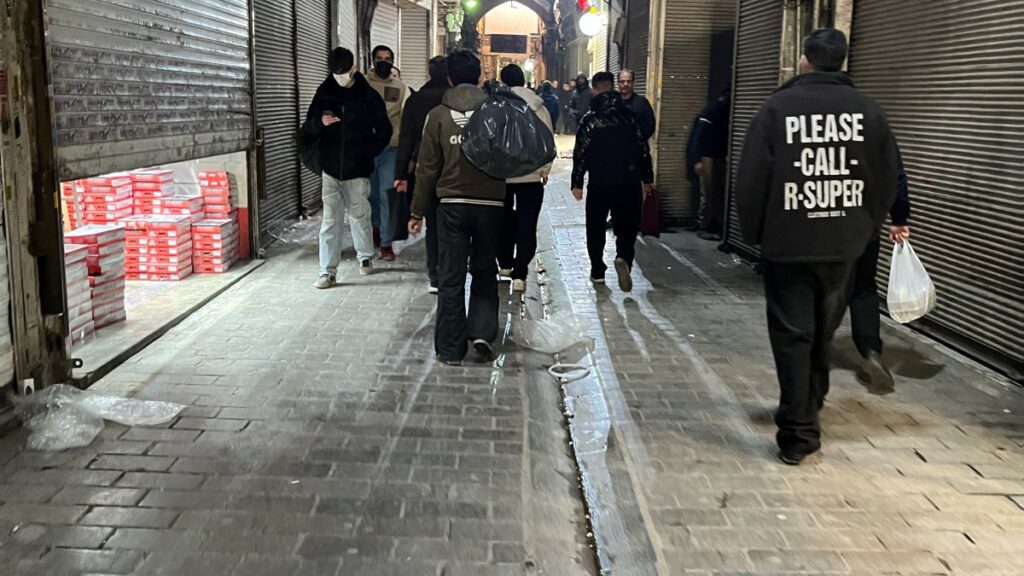
The crisis escalated following a series of demonstrations sparked by various social, economic, and political grievances. Protesters have marched through cities nationwide, demanding reforms and an end to government corruption and repression. The Iranian security forces have responded with force, implementing curfews, detaining demonstrators, and deploying riot police to control the unrest.
The deadly toll among security personnel marks a significant intensification in the conflict. Iranian officials have condemned what they describe as violent riots designed to destabilize the country. Authorities accuse foreign influences of fomenting the unrest, although protesters claim their movement is homegrown and rooted in legitimate demands.
Amid the turmoil, the Parliament Speaker of Iran issued a stern warning to the United States against launching any military attacks. This statement came shortly after former US President Donald Trump made threats suggesting potential military strikes in response to the Iranian government’s handling of the protests. The Parliamentary leadership emphasized that any such intervention would be met with severe repercussions and could further destabilize the region.
The volatile situation puts Iran at a crossroads, with mounting internal pressures and external geopolitical tensions. International observers have expressed concern over the escalating violence and urged all parties to seek dialogue and a peaceful resolution. Meanwhile, humanitarian organizations are monitoring the situation closely due to reports of widespread arrests, use of excessive force, and limited access to medical care for the injured.
The Iranian government maintains that its actions are necessary to preserve national security and sovereignty. However, the protests continue to spread, fueled by public frustration over economic hardship, political repression, and lack of freedoms.
In parallel, diplomatic channels are reportedly active behind the scenes, with regional and global powers engaged in quiet efforts to de-escalate the crisis. The United Nations and other international bodies have called for restraint and respect for human rights.
This ongoing conflict reflects broader challenges in the Middle East, where governance, human rights, and foreign interference frequently intersect. Iran’s future trajectory will depend heavily on how both its government and the international community respond in the coming weeks.
As tensions remain high, the world watches with concern how Iran navigates these turbulent times, with the hopes that dialogue and reform can ultimately replace violence and repression.