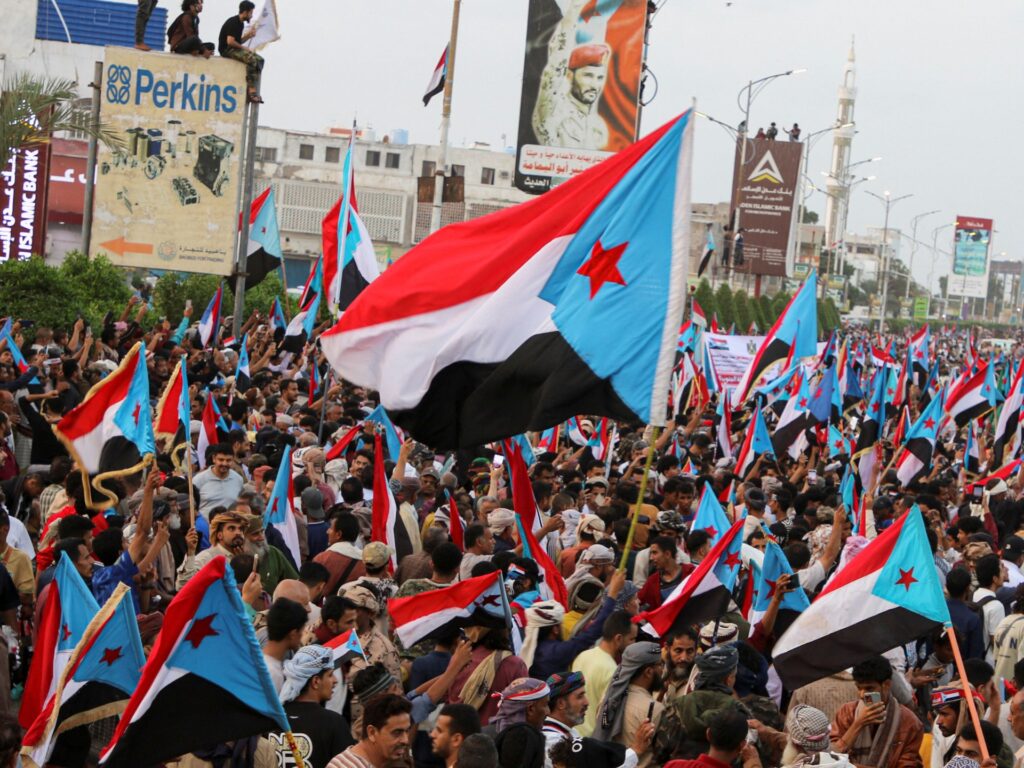
The Southern Transitional Council (STC), a significant separatist group in Yemen, has recently been the center of controversy following announcements about its potential disbandment. The STC has long played a pivotal role in the complex political and military landscape of Yemen, advocating for the independence of the southern regions of the country.
News broke out that the STC might be disbanded, a move that has sparked widespread speculation and uncertainty about the future of the separatist movement it leads. However, an official spokesperson from the STC swiftly rejected this announcement, emphasizing that the council remains intact and continues its mission unabated.
This conflicting information has raised important questions about the internal dynamics and stability of the separatist group. The STC has been instrumental in the ongoing conflict in Yemen, often clashing with both the Yemeni government and other factions within the country. Its role has been vital in shaping the political discourse surrounding southern independence.
Observers are closely monitoring the situation, as the disbandment—or lack thereof—of the STC could have significant implications for the ongoing Yemeni conflict. The council’s officials maintain that they are committed to their political objectives and deny any internal fractures severe enough to warrant dissolution.
The rejection of the disbandment claim suggests a potential misinformation campaign or internal debates that have not yet been fully resolved publicly. It also highlights the fragmented nature of Yemeni politics, where multiple actors vie for influence amid ongoing conflict.
The future of the STC will likely depend on its ability to maintain unity within its ranks and respond effectively to both internal and external pressures. Its stance on southern independence remains a highly sensitive and pivotal issue in Yemen’s broader quest for peace, stability, and governance.
As the conflict continues to evolve, the international community and regional stakeholders are watching closely. The position of groups like the STC will be crucial in any potential resolution or peace process, given their significant influence and control over parts of southern Yemen.
In conclusion, while the announcement of the STC’s disbandment has caused a stir, the official denial points to ongoing complexities within the separatist movement. The fate of the group remains unclear, with many awaiting further developments to understand the true direction of southern Yemen’s quest for autonomy and peace.