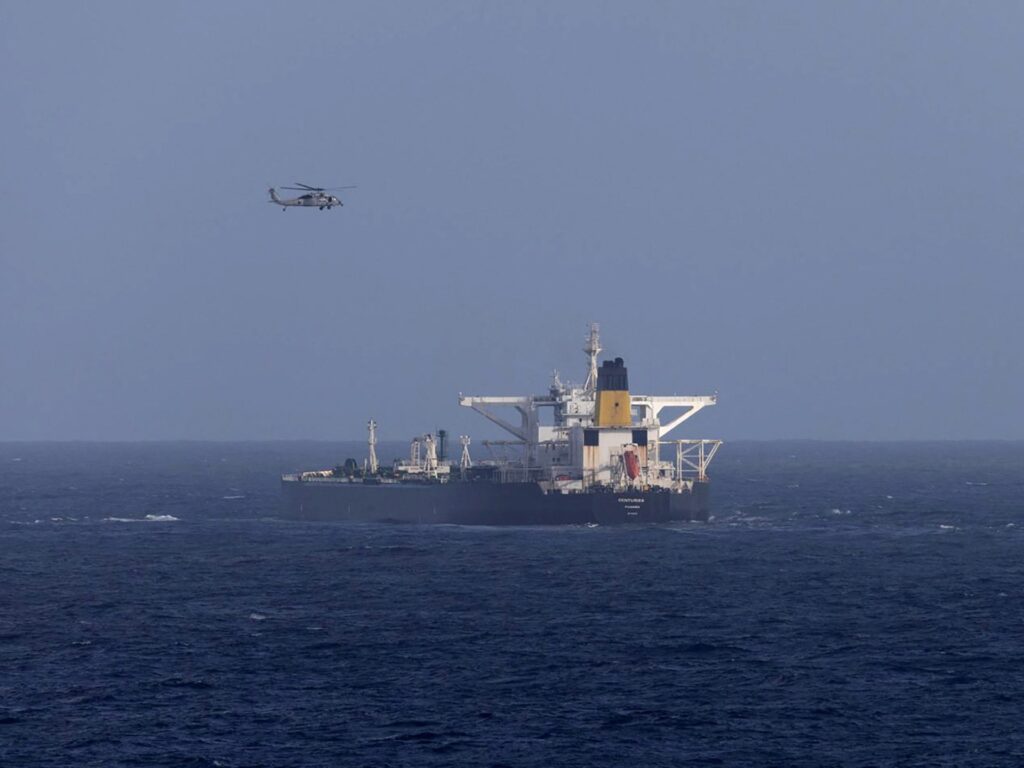
The United States has intensified its pressure campaign on Venezuela with the seizure of a fifth oil tanker in recent days. This latest operation follows the recent capture of a Russian-flagged tanker, demonstrating Washington’s unwavering commitment to blockading the South American nation. The move is part of broader efforts to isolate the regime of Venezuelan President Nicolás Maduro, who has been involved in a contentious abduction case that has alarmed the international community.
US officials have indicated that these seizures are strategic actions aimed at curtailing the Venezuelan government’s ability to export oil, which is a vital source of revenue for Maduro’s administration. The increasing tempo of seizures signals a tougher stance by the US amid growing concerns about Maduro’s governance and his links to Russia.
The fifth tanker, like the previous four, was reportedly seized on grounds related to sanctions violations. The vessel was initially navigating waters near Venezuela, suspected of transporting Venezuelan crude oil in defiance of US sanctions that prohibit such shipments. This enforcement aligns with the broader US policy to clamp down on illicit oil trade routes that fund regimes considered adversarial.
This campaign is underscored by US accusations against Maduro’s government for orchestrating the abduction of an American citizen, a charge that has further soured relations and justified the intensification of economic and maritime blockades. Washington has declared that the seizures will continue as part of a sustained effort to pressure the Venezuelan government to change its policies and release political prisoners.
Critics of the US approach warn that such aggressive measures may escalate tensions and worsen the humanitarian situation in Venezuela, which is already suffering from economic collapse and social unrest. However, the Biden administration maintains that restricting revenue sources to Maduro’s government is essential to promoting democracy and human rights in the country.
International reactions have been mixed, with some allies supporting the US blockade as a necessary step to prevent illegal oil trade and uphold sanctions, while others call for diplomatic solutions to avoid further destabilization in the region. The situation remains fluid, with further developments expected as the US continues its blockade and Venezuela responds to the increasing international pressure.
In summary, the seizure of the fifth oil tanker is a significant escalation in the US campaign against Venezuela, signaling Washington’s continued resolve to isolate and pressure the Maduro regime amidst broader geopolitical tensions.