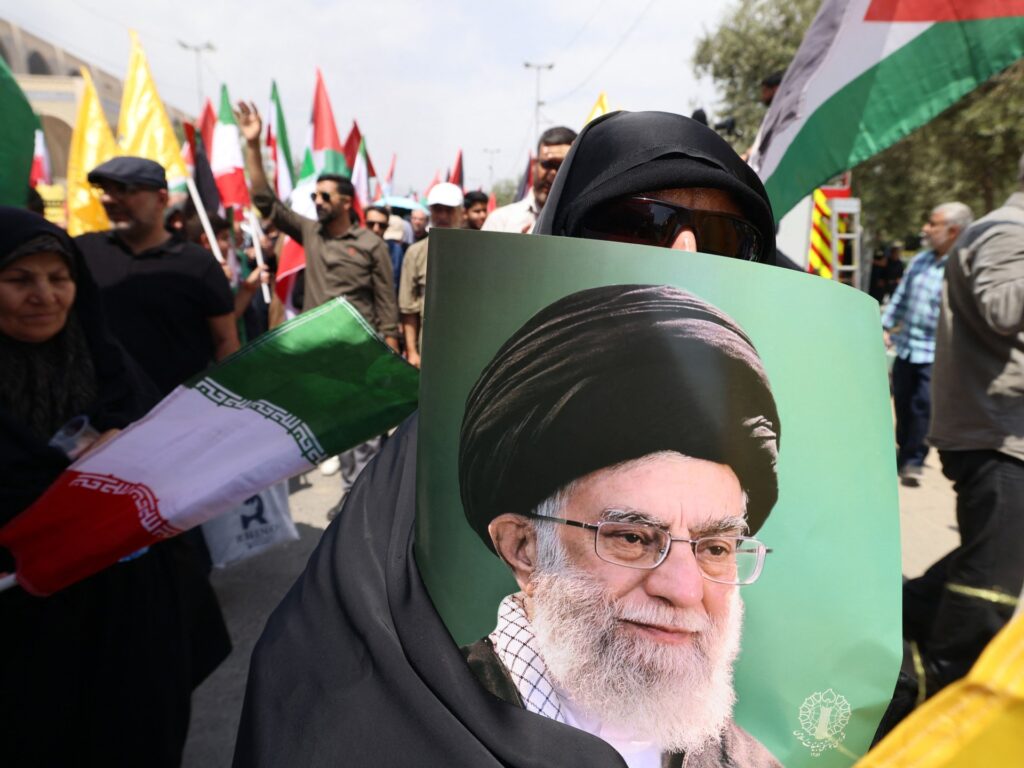
Iran has been gripped by widespread protests across multiple cities, prompting a stern response from the country’s highest authority, Supreme Leader Ayatollah Ali Khamenei. In a recent address, Khamenei vehemently criticized the demonstrators and warned of consequences as Tehran wrestles with the escalating unrest.
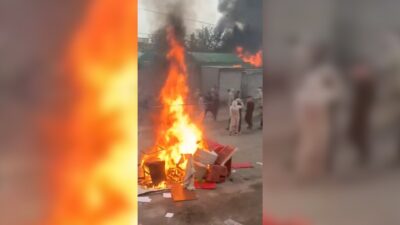
The protests, which have surged over recent weeks, are reportedly driven by a combination of economic grievances, political dissatisfaction, and social issues. The Iranian government has been actively working to suppress the demonstrations, deploying security forces in an attempt to restore order. Despite these efforts, protest activities persist, underscoring deep-seated tensions within the country.
In his address, Khamenei framed the unrest as a threat orchestrated by “foreign enemies,” a narrative frequently used by Iranian authorities to delegitimize protests and rally nationalist sentiments. He warned that those involved in the upheaval would face harsh repercussions, signaling a crackdown on dissent. This rhetoric highlights the regime’s strategy of attributing internal challenges to external interference, a move aimed at consolidating internal support amid ongoing challenges.
Security forces have intensified their efforts, reportedly arresting numerous participants in the protests. Human rights organizations have expressed concern over allegations of excessive force and violations of civil liberties during these operations. The international community watches closely as Iran grapples with balancing state control and citizens’ demands for change.
The economic backdrop of the unrest includes inflation, unemployment, and restrictions that continue to affect the daily lives of many Iranians. These factors contribute to public frustration and fuel the protest movements.
Khamenei’s warnings serve as both a deterrent to protesters and a message to international observers, reaffirming that the regime will not tolerate challenges to its authority. The Supreme Leader’s firm stance suggests that Iran’s leadership is prepared to maintain a hardline approach, even as the country faces growing internal pressures.
Analysts note that the current situation presents significant risks for Tehran, as prolonged unrest could potentially destabilize the regime and complicate its relations with other nations. The government’s response and its ability to address underlying grievances will be critical in determining the trajectory of Iran’s political landscape.
As the protests continue, Iran remains at a crossroads, with its leadership opting for confrontation over conciliatory measures. The outcome of this period of turmoil will have lasting implications for the country’s future stability and governance.