In a significant development regarding Yemen’s ongoing conflict, the Southern Transitional Council (STC), a major separatist faction in the south, has officially announced its dissolution. This decision marks a pivotal moment in Yemen’s complex political landscape, potentially impacting the dynamics of power and territorial control.
The Southern Transitional Council was formed in 2017 as a self-declared governing body for the southern regions of Yemen. Its emergence was rooted in historical grievances and demands for autonomy from the central government, backed by elements within the United Arab Emirates. The STC has maintained a strong opposition to the internationally recognized Yemeni government despite occasional cooperation in their shared fight against the Houthi rebels.
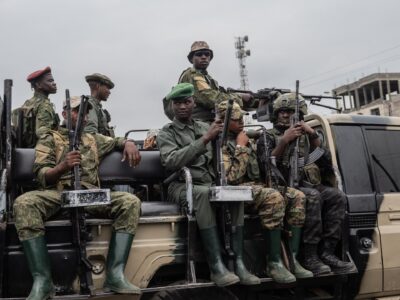
Throughout the Yemeni Civil War, the STC has held significant territory in the south, including key cities such as Aden, influencing the strategic and military balance. Its armed forces have clashed with government troops on multiple occasions, complicating international efforts aimed at unifying the country and implementing peace agreements.
The dissolution announcement comes amid renewed diplomatic efforts to resolve the Yemeni conflict. Observers believe this move could signal a willingness from southern factions to reintegrate with the national government structure, potentially paving the way for a more inclusive political dialogue and a step toward national reconciliation.
However, questions remain about the implementation of this dissolution and the fate of the STC’s military wings. Analysts highlight the need for assurances on the safety, rights, and political inclusion of southern populations to prevent further unrest.
This development is closely watched by regional and international stakeholders involved in Yemen’s conflict, including the Saudi-led coalition and the United Nations. Both have been advocating for a peaceful resolution and stabilization of Yemen, which has been devastated by years of war resulting in a humanitarian crisis.
The announcement could impact humanitarian aid operations and political negotiations. It underscores the fluid nature of Yemeni politics, where alliances can shift and new accords may emerge.
The international community is urging all parties in Yemen to respect this decision and to work towards comprehensive peace, emphasizing dialogue and reconciliation.
In conclusion, the dissolution of the Southern Transitional Council marks a critical juncture for Yemen’s future. While it creates a window for renewed unity efforts, the coming weeks will be crucial to ensuring that this decision translates into tangible progress on the ground, leading to an end to the conflict and improved conditions for the Yemeni people.