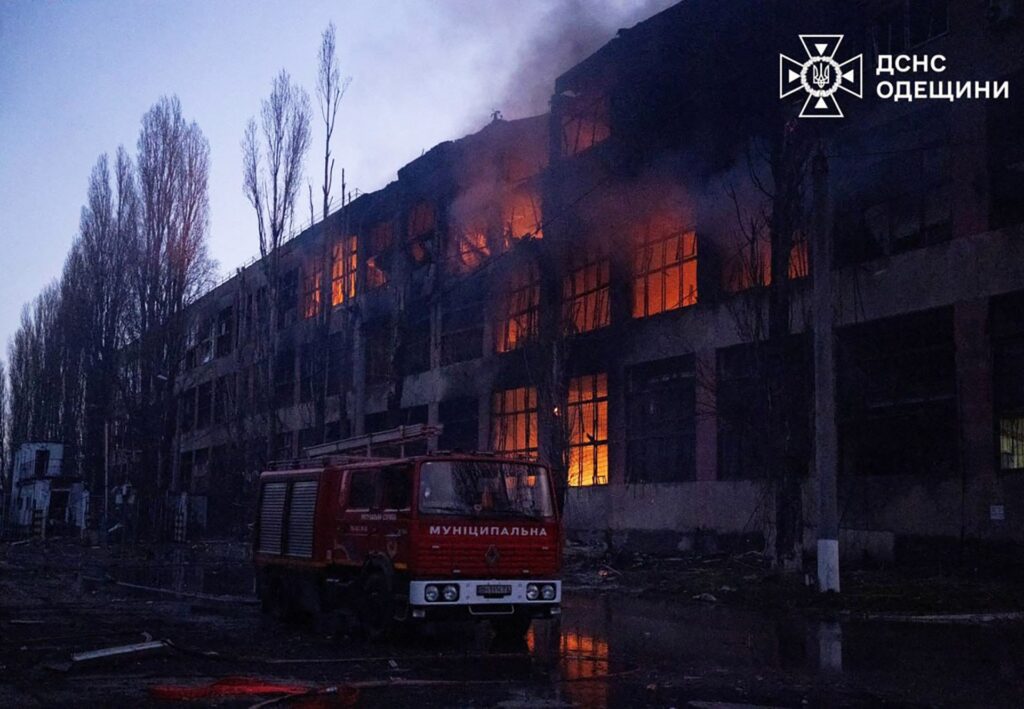
Ukraine has called on its allies to increase pressure on Russia after Moscow fired an Oreshnik missile near the borders of the European Union and NATO, a move Kyiv has condemned as a grave threat to European security. The missile launch, which occurred close to the frontline regions bordering EU and NATO countries, has raised serious concerns about the escalation of hostilities and the stability of the wider region. Ukrainian officials have explicitly characterized the use of the Oreshnik missile as not only a direct challenge to Ukrainian sovereignty but also as an alarming signal to the international community regarding Russia’s aggressive posture in Eastern Europe.
The Ukrainian government emphasized that this act of aggression should prompt a unified and decisive response from Western allies. Such a missile strike near the borders of the EU and NATO could potentially destabilize the entire security architecture of Europe, Ukrainian diplomats warned. They have urged immediate diplomatic and economic measures to hold Russia accountable and to deter further provocations.
The Oreshnik missile, known for its advanced capabilities, represents a significant threat given its range and precision. Ukrainian defense analysts have pointed out that deploying this missile near sensitive border areas elevates the risk of inadvertent conflict escalation, which could spiral into a larger regional confrontation.
International observers have noted that the missile’s deployment signifies a shift in Russian military tactics, indicating a willingness to apply pressure not just militarily inside Ukraine but also geopolitically on neighboring NATO member states and EU countries. This tactic aims to create friction and uncertainty within the alliance and to test its collective defense commitments under Article 5 of the NATO treaty.
In response to Kyiv’s calls, several Western officials reiterated the importance of solidarity among NATO allies and the EU. The sentiment among European capitals underscores the need to impose stricter sanctions and enhance military support to Ukraine, thereby signaling to Russia the costs of continued aggression.
The missile strike also sparked emergency discussions in Brussels and among NATO leadership, focusing on potential responses that balance deterrence with the avoidance of full-scale conflict escalation. Diplomatic channels have been activated to engage Russia in de-escalation talks, although officials remain cautious about the prospects for success given recent patterns of Russian behavior.
Ukraine’s appeal highlights the broader context of ongoing battles in eastern Ukraine and the persistent threat posed by Russia’s military build-up along key border regions. The conflict, now entering its subsequent year, continues to strain regional and global security frameworks.
In parallel, humanitarian concerns have been raised due to increased fighting and missile strikes causing displacement and civilian casualties. International aid organizations are calling for urgent measures to protect vulnerable populations affected by the conflict.
The incident underscores the fragile nature of European security and the critical role of international cooperation and deterrence strategies in maintaining peace and stability. Kyiv’s call to action reflects the urgency of reinforcing alliances and ensuring that aggressive actions have tangible and immediate consequences.
As the situation develops, monitoring the movement of advanced weaponry such as the Oreshnik missile and Russia’s strategic intentions remain priorities for defense analysts and policymakers alike. The international community faces a pivotal moment in determining its response to preserve security in the face of evolving threats emanating from the region.
In summary, Ukraine’s call for heightened pressure on Russia following the firing of the Oreshnik missile near the EU and NATO border signals a critical juncture in the ongoing conflict. It demands a robust, united response from global powers to uphold the rules-based international order and prevent further destabilization of European security.