In a significant political development, Venezuela has released a large number of imprisoned political figures, including former opposition candidate Enrique Marquez. This move comes amid international attention and is seen as a step towards easing political tensions in the country.
The release of these prisoners has been notably approved by former U.S. President Donald Trump, highlighting the geopolitical dimensions of Venezuela’s internal strategies. The decision reflects a possible shift in Venezuela’s approach to its domestic political disputes and international relations.
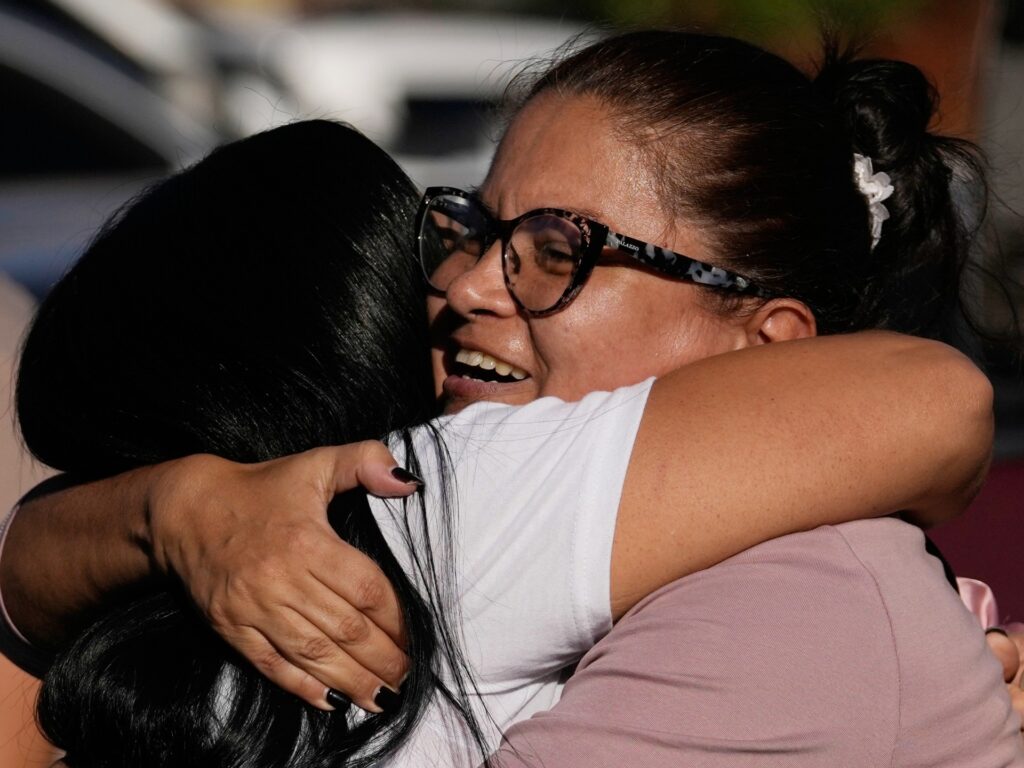
Enrique Marquez, a prominent opposition figure, was among those freed in this initiative. His release has been welcomed by supporters who view it as a positive sign for Venezuela’s political landscape. It also raises hopes for further negotiations and potential reforms.
The Venezuelan government has faced extensive criticism over the years for its treatment of political opponents, with numerous activists and politicians detained under contentious circumstances. The recent amnesty or release move may signal a reconsideration of previous hardline policies.
This act may also be intended to improve Venezuela’s image on the global stage and ease sanctions or pressures from Western countries, including the United States. Trump’s approval of this development adds an interesting layer, indicating a possible alignment or at least a moment of concurrence between Venezuelan authorities and the former U.S. administration.
The exact number of prisoners released is described as ‘large,’ though Venezuelan authorities have not specified precise figures. This lack of clarity leaves room for speculation about the full scope of the release and its implications.
Opposition groups and international observers are cautiously optimistic but remain vigilant about the sincerity and longevity of this political gesture. The history of Venezuelan politics has been marked by volatility and broken promises, hence the cautious reception.
Analysts suggest that this move could be part of broader negotiations potentially involving the U.S., aimed at stabilizing Venezuela’s political situation and fostering dialogue between the government and opposition.
Human rights organizations have urged both Venezuelan authorities and international stakeholders to ensure that the release of political prisoners translates into meaningful progress in human rights and democratic governance.
The release has also generated diverse reactions within Venezuela, from relief and celebration among opposition supporters to skepticism among government loyalists wary of potential foreign interference or pressure.
In summary, Venezuela’s recent release of a large number of imprisoned political figures, including Enrique Marquez, marks an important moment in the country’s ongoing political saga. With former President Trump’s approval, the move underscores the complex interplay of domestic political reforms and international diplomacy.
Whether this development will lead to sustainable change and improved political conditions in Venezuela remains to be seen. However, it undeniably opens a new chapter characterized by cautious hope and renewed attention from global actors invested in Venezuela’s future stability and governance.