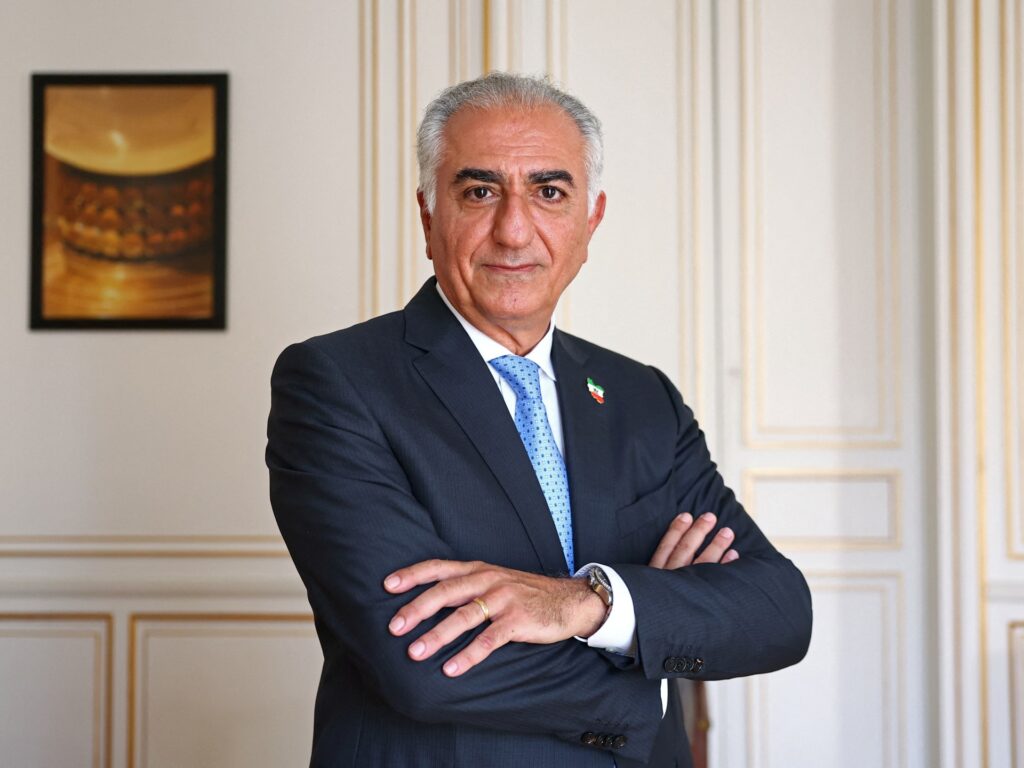
In the midst of escalating protests in Iran, former US President Donald Trump has made it clear that he will not meet with Reza Pahlavi, often dubbed Iran’s ‘Crown Prince.’ This decision comes at a time when the opposition figure has been seeking international support as a potential future leader of Iran, should there be a regime change.
Reza Pahlavi, the son of the late Shah Mohammad Reza Pahlavi, has positioned himself as a symbolic figurehead for those opposing the current Iranian regime. His appeal among some Western factions stems from his lineage and his advocacy for a secular and democratic Iran. However, Trump’s decision signifies reluctance to formally acknowledge or support Pahlavi as a viable leadership alternative, especially given the complex geopolitical dynamics.
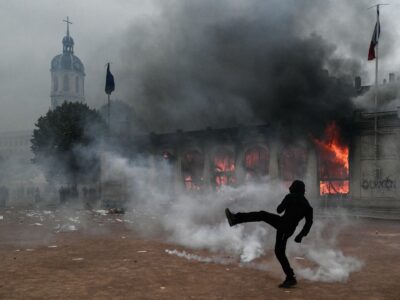
The protests in Iran have been intensifying due to widespread dissatisfaction with the regime’s policies and governance. Citizens are voicing their grievances over economic hardship, political repression, and lack of freedoms. As these demonstrations gain international attention, various opposition groups are seeking external backing.
Trump’s stance appears to be influenced by a calculus of aligning with Israel and other strategic partners in the region rather than endorsing an opposition figure with uncertain support inside Iran. The US administration under Trump has traditionally adopted a hardline approach towards Iran, focusing on maximizing pressure on the regime through sanctions and diplomatic isolation.
Analysts suggest that Trump’s refusal to meet Pahlavi reflects broader caution within US foreign policy circles about the risks of openly backing opposition figures who may lack legitimacy or cohesive support among the Iranian populace. Supporting such figures prematurely could complicate US relations in the Middle East and provoke backlash.
Moreover, Trump’s position underscores the geopolitical intricacies of the Israel-Iran rivalry. While Pahlavi enjoys some sympathy among Israel-aligned factions, the US’s own strategic priorities in the region may not align directly with bolstering an opposition leader without a clear path to power.
Experts note that this approach could also be intended to avoid inflaming tensions further and maintain a degree of diplomatic flexibility as the situation evolves. The US administration may prefer to monitor how the protests unfold rather than commit to a figurehead whose influence remains contested.
Despite this, Pahlavi continues to call for international support and advocates for a democratic transition in Iran. His supporters emphasize his vision of a unified Iran free from autocratic rule, promoting human rights and democratic institutions.
The ongoing protests, combined with Pahlavi’s efforts, have sparked debates about the future of Iran’s political landscape. Some argue that a significant regime change could open doors to new leadership forms, while others caution about the potential instability and power vacuums that may arise.
In summary, Trump’s refusal to meet Reza Pahlavi amidst rising unrest in Iran illustrates the complexities faced by foreign powers when dealing with opposition movements in the context of broader regional struggles. It highlights a preference for strategic alliances and measured responses over direct endorsement of controversial opposition figures.
As Iran continues to experience internal turmoil, the global community watches closely. The outcome will likely shape not only Iran’s future but also the geopolitical dynamics in the Middle East for years to come.