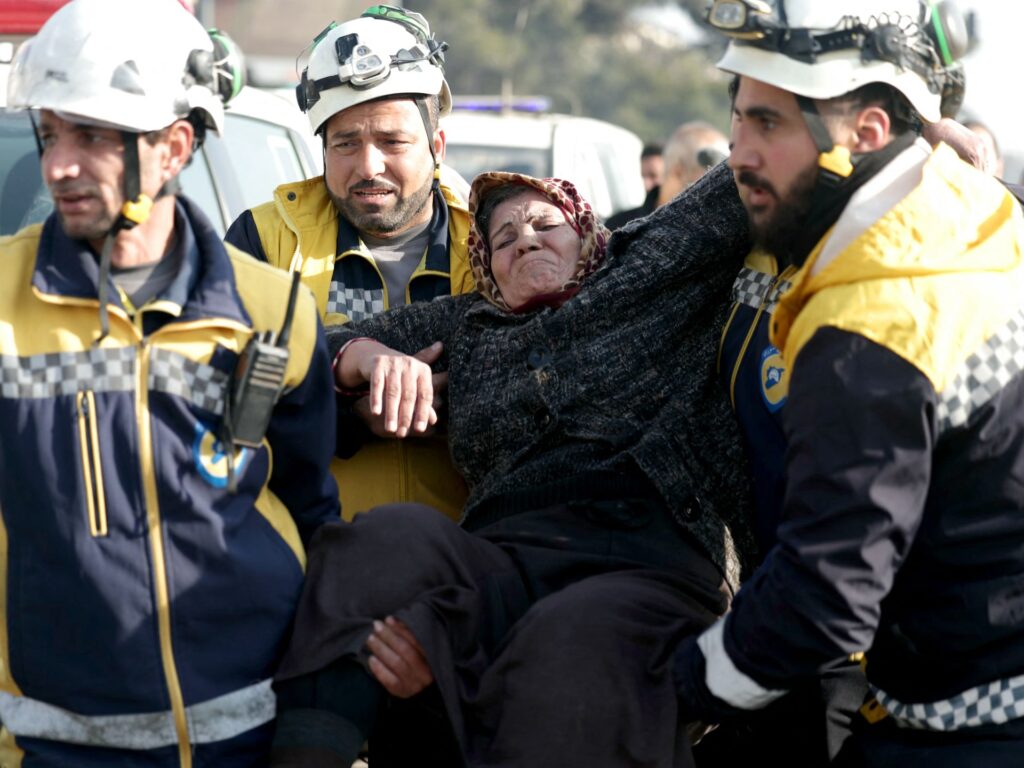
The Syrian army has declared a ceasefire in Aleppo after enduring heavy clashes with the Syrian Democratic Forces (SDF), a Kurdish-led militia group. The decision to halt hostilities comes amid significant tensions and fighting between the two factions, which have escalated in recent days, destabilizing the region.
Authorities in Aleppo announced that a curfew would be imposed across the city, effective immediately, and will remain in place until further notice. This measure is intended to maintain order and prevent civilian casualties as the ceasefire is implemented and negotiations proceed.
The clashes between the Syrian army and the Kurdish-led SDF have been among the fiercest seen in the area in recent months, reflecting the complex and volatile nature of alliances and territorial control in northern Syria. The SDF, primarily composed of Kurdish fighters, has been a significant force in the region, often cooperating with allied international partners in the fight against extremist groups.
Aleppo, one of Syria’s largest and most strategically important cities, has experienced prolonged periods of conflict throughout the Syrian civil war. The latest escalation has added layers of difficulty to the already fragile security situation, affecting thousands of residents and prompting international concern.
The ceasefire declaration is a critical step towards reducing violence and opening channels for dialogue between the opposing sides. However, the situation remains tense, and the potential for renewed hostilities exists if diplomatic efforts fail.
Local officials urge residents to comply with the curfew and avoid travel unless absolutely necessary, citing security concerns and the ongoing risk of sporadic violence. Humanitarian groups continue to monitor the situation closely, preparing to deliver aid and medical assistance as conditions allow.
This ceasefire also underscores the broader dynamics at play in the region, where multiple forces vie for control, influence, and the protection of their communities. The Syrian government seeks to reassert dominance over key areas, while Kurdish forces push for autonomy and self-governance.
International actors have expressed cautious optimism about the ceasefire but stress the need for a comprehensive political solution to the Syrian conflict. The agreement in Aleppo could serve as a foundation for broader negotiations aimed at achieving lasting peace in the war-torn country.
As the ceasefire holds, both sides face pressure to adhere to agreements and work towards stabilizing Aleppo and surrounding regions. The coming days will be critical in determining whether this fragile truce can lead to more sustained peace or if hostilities will resume, plunging the city back into conflict.
In the meantime, the people of Aleppo remain hopeful for peace and stability after years of devastating fighting that have scarred the city and its population. The international community continues to watch closely, ready to support efforts that promote reconciliation and rebuild the war-ravaged region.