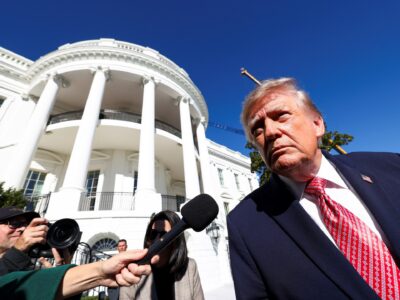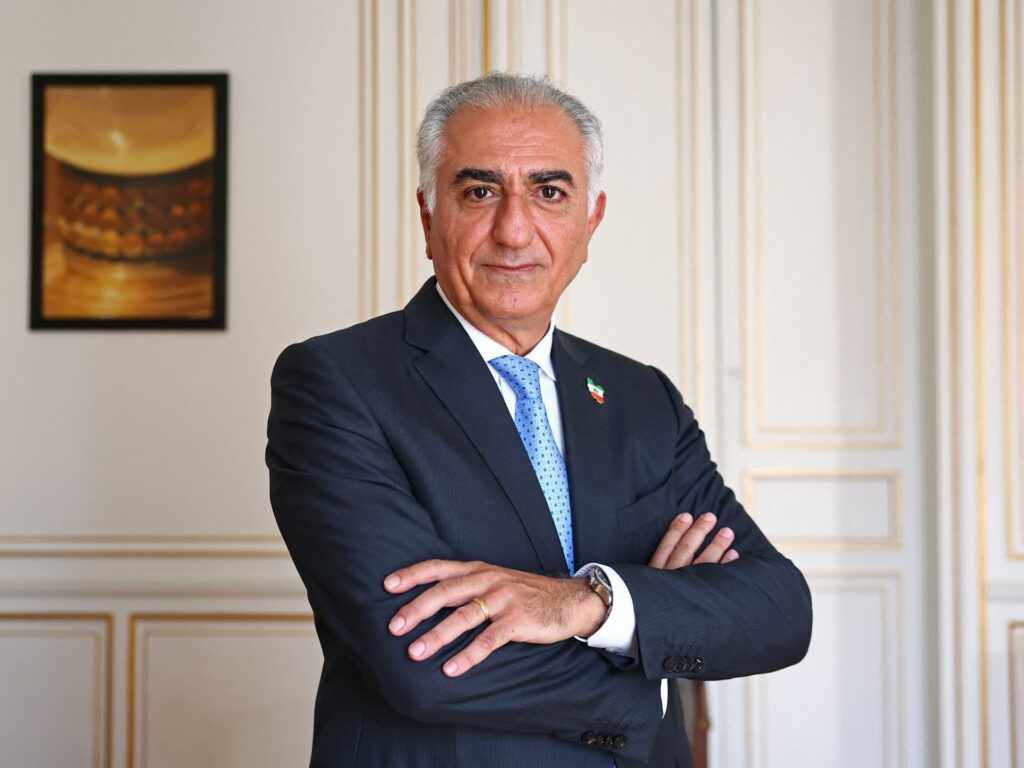
In a recent statement, former US President Donald Trump indicated that meeting with Iran’s opposition figure known as the ‘Crown Prince’ Reza Pahlavi would not be appropriate at this time. Trump, who has been a prominent figure in discussions around US foreign policy and regime change in Iran, emphasized he is not ready to support Pahlavi as the successor in the event of a shift in Iran’s political landscape.
Reza Pahlavi, the son of the last Shah of Iran, Mohammad Reza Pahlavi, has long positioned himself as a key opposition figure aligned with pro-Israel interests. His supporters see him as a potential moderate alternative to the current Iranian regime, advocating for a democratic transition in Iran. However, Trump’s recent comments suggest caution and reservation about formally endorsing him as a leader, which could have significant political ramifications.
The context of Trump’s remarks was a broader discussion on the future of US-Iran relations and the possibility of regime change in Tehran. Under Trump’s administration, the US adopted a hardline stance against Iran, including stringent sanctions and the infamous withdrawal from the Iran nuclear deal. Despite this, Trump’s current stance signals a nuanced approach toward successor figures who might emerge from Iran’s opposition.
Crucially, Trump’s reluctance to meet or back Pahlavi stems from concerns about the legitimacy and readiness of opposition leaders to govern. He suggested that premature endorsement could complicate US policy and regional dynamics, especially considering Iran’s complex internal factions and the delicate balance of power in the Middle East.
Analysts note that Pahlavi has cultivated strong ties with Israeli officials and Western governments, presenting himself as an alternative voice advocating for closer ties with the West. Nevertheless, the absence of formal US endorsement from a figure as influential as Trump may raise questions about the viability and influence of Iran’s opposition movements on the global stage.
The US’s cautious approach may also reflect the broader uncertainty surrounding Iran’s future amid ongoing sanctions, economic hardship, and popular protests inside the country. While some factions push for a drastic change in leadership, others fear regional instability or unintended consequences of foreign intervention.
Trump’s position highlights the complexity of foreign policy decisions where attitudes toward opposition leaders in other nations are concerned. It underscores the balance the US seeks to maintain between supporting democratic aspirations and avoiding entanglement in unpredictable political transitions.
In conclusion, while Reza Pahlavi remains a symbolic figure of opposition to Iran’s current regime and garners support among certain allies, former President Trump’s comments signal a cautious diplomatic posture. This approach reflects ongoing strategic calculations about how best to influence Iran’s trajectory without precipitating chaos or unintended geopolitical fallout.
As international attention remains focused on Iran, the question of who might lead in a post-regime scenario remains deeply uncertain. Trump’s reticence to endorse Pahlavi offers a window into the complexities faced by global powers in navigating the shifting sands of Middle Eastern politics in 2024 and beyond.