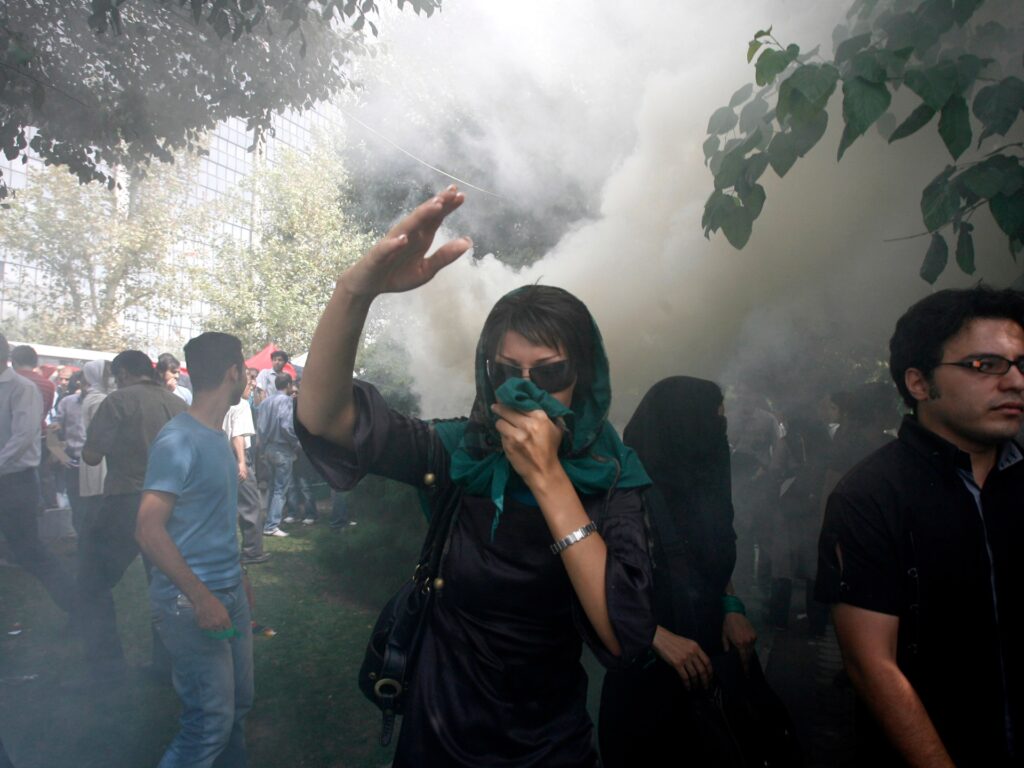
Since the 1979 Islamic Revolution, Iran has seen numerous protests spanning decades, reflecting the country’s complex political, social, and economic dynamics. Iranians from all walks of life have regularly taken to the streets, voicing grievances over political oppression, economic hardship, social justice, and government policies.
**1979: The Islamic Revolution**
The year 1979 marked the overthrow of the Shah and the establishment of the Islamic Republic under Ayatollah Khomeini. The revolution involved widespread protests demanding an end to monarchy, corruption, and Western influence.
**1980s: Post-Revolution Consolidation and War Protests**
After the revolution, the new regime faced internal opposition from leftists, liberals, and ethnic minorities, resulting in protests. The Iran-Iraq war (1980-1988) also sparked protests due to conscription and war hardships.
**1999 Student Protests**
Triggered by the closure of a reformist newspaper, thousands of students protested university restrictions and lack of political freedom. Demonstrations were violently suppressed but marked a significant youth-led challenge to the regime.
**2009 Green Movement**
Following contested presidential elections, millions protested alleging electoral fraud in favor of Mahmoud Ahmadinejad. The Green Movement demanded political reform and greater democracy, but protests were crushed with arrests and violence.
**2017-2018 Economic Protests**
Widespread protests over inflation, unemployment, and corruption spread across more than 80 cities. This wave showed the intertwining of economic grievances with political discontent.
**2019 Fuel Price Protests**
The government’s sudden increase in fuel prices triggered nationwide demonstrations met with a severe crackdown, including internet blackouts and deadly force.
**2022 Mahsa Amini Protests**
The death of Mahsa Amini in police custody for allegedly violating hijab rules incited a nationwide movement against compulsory veiling laws and broader authoritarianism. These protests were among the largest and most sustained in recent years.
**Ongoing Struggles**
Despite repression, protests continue in Iran driven by demands for greater freedoms, economic opportunities, gender equality, and human rights. The timeline reflects Iran’s persistent civil unrest and the population’s resolve to seek change.
Iranians’ willingness to protest and strike demonstrates a long-standing tradition of resistance and resilience amid evolving political and economic challenges. Understanding this timeline is key to comprehending Iran’s current socio-political landscape and the aspirations of its people.