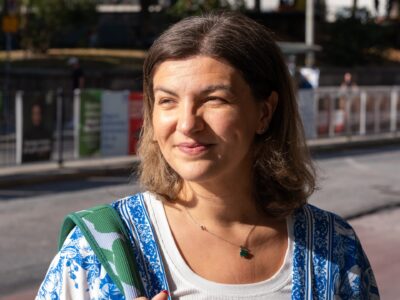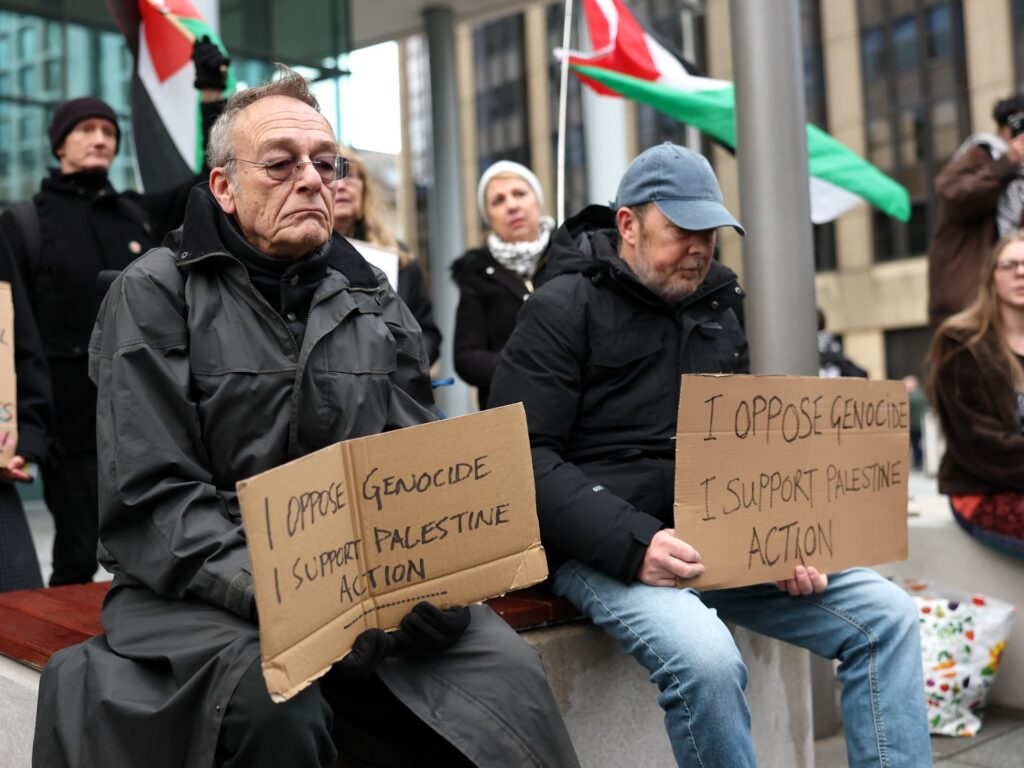
Teuta Hoxha, a prominent activist associated with Palestine Action, has ended her hunger strike after 60 days, citing deteriorating health as the main reason. The strike was undertaken as a form of protest during her imprisonment. Prisoners For Palestine, an advocacy group, has raised serious concerns over Hoxha’s health, emphasizing her urgent need for hospitalisation which has been reportedly denied while she remains in custody.
The hunger strike drew attention to the conditions faced by activists and detainees, spotlighting alleged neglect and inadequate medical care within the prison system. Hoxha’s commitment to her cause was reflected in her willingness to continue the strike despite declining physical condition, underscoring the depth of her convictions.
Prisoners For Palestine has called on authorities to release Hoxha or at the very least provide the necessary medical treatment to prevent further health complications. The group and supporters fear that continued denial of hospitalisation could lead to irreversible health damage or even death.
This incident highlights broader issues surrounding the treatment of political prisoners and activists in incarceration, especially those involved in contentious political movements such as Palestine Action. The case has drawn international attention, with human rights organizations urging governments and prison authorities to uphold human rights and ensure proper healthcare for imprisoned individuals.
The response to Hoxha’s strike and subsequent health crisis serves as a poignant reminder of the sacrifices activists make and the challenges they face within the prison system. It also compels a critical examination of prison healthcare practices and the treatment of prisoners on hunger strikes globally.
As of now, advocates remain vigilant about Teuta Hoxha’s condition, continuing to demand appropriate care and raising awareness about prisoner rights. The situation remains a crucial test of moral and legal responsibilities of detention authorities towards those in their custody, especially under the strain of protest and hunger strikes.