The Delhi riots case has taken center stage in discussions concerning justice, political bias, and institutional treatment of minorities, particularly Muslims, under Narendra Modi’s government. At the heart of this controversy are two prominent activists, Umar Khalid and Sharjeel Imam, whose prolonged detention has ignited debates on legal fairness and human rights in India.
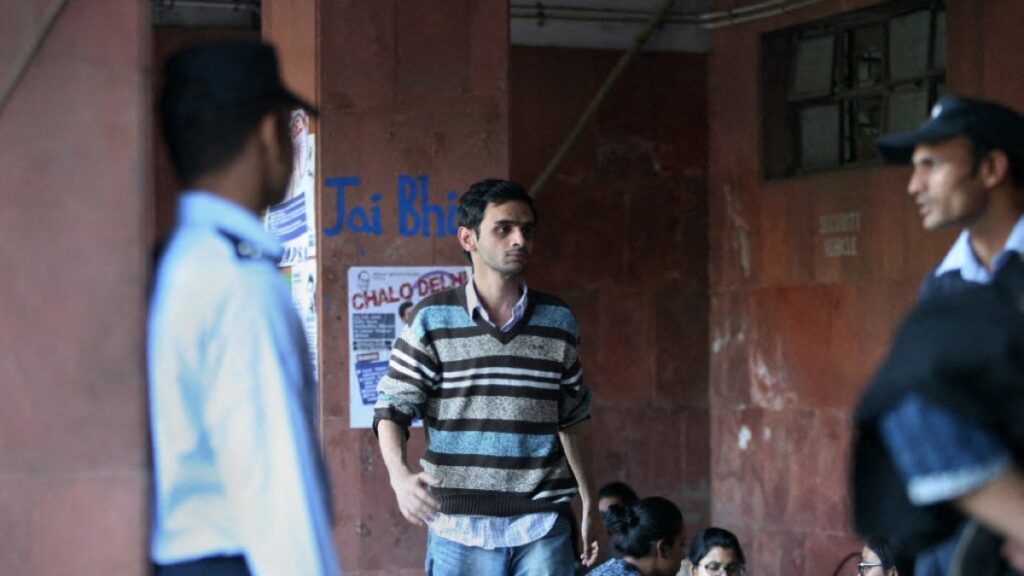
Umar Khalid, a former student leader and activist, along with Sharjeel Imam, a prominent figure in political activism, were arrested in connection with the 2020 Delhi riots. These riots resulted in significant loss of life and property, severely affecting the Muslim community. The government alleges that both Khalid and Imam played conspiratorial roles in inciting violence through their speeches and activism.
However, their detention has been criticized as a symbol of targeted institutional persecution against Muslims. Critics argue that the Modi government has employed stringent legal measures not solely for justice but also to suppress dissent and marginalize minority voices.
The allegations against Khalid and Imam include charges under sections of the Unlawful Activities (Prevention) Act (UAPA), a controversial law often criticized for its harshness and the difficulty it imposes on accused individuals to secure bail. This legal framework has contributed to their continued incarceration despite arguments questioning the concrete evidence linking them to the riots.
International human rights organizations and various legal experts have voiced concerns over the case, citing potential violations of fair trial standards and suppression of political expression. The uncategorized delay in trial proceedings further exacerbates these worries.
Supporters of Khalid and Imam emphasize their roles as activists exercising their right to free speech and political activism rather than direct instigators of violence. They argue that releasing them would represent a move towards upholding democratic principles and protecting minority rights.
Conversely, the government maintains that the arrests and continued detention are necessary measures for maintaining law and order, preventing communal violence, and ensuring national security. It asserts that the justice system is functioning independently and that all accused are being dealt with in accordance to the law.
This case, therefore, stands at the intersection of larger issues involving minority rights, freedom of expression, and political dissent in contemporary India. The detention of Umar Khalid and Sharjeel Imam is not just a legal issue but a profound political and social controversy reflecting the broader dynamics of governance, justice, and communal relations under Modi’s administration.
As the trial continues, the Delhi riots case remains a litmus test for India’s commitment to judicial fairness, secularism, and constitutional values. The international community and domestic observers alike watch closely to see whether justice will be served and whether India can reconcile its policies with its democratic ethos.