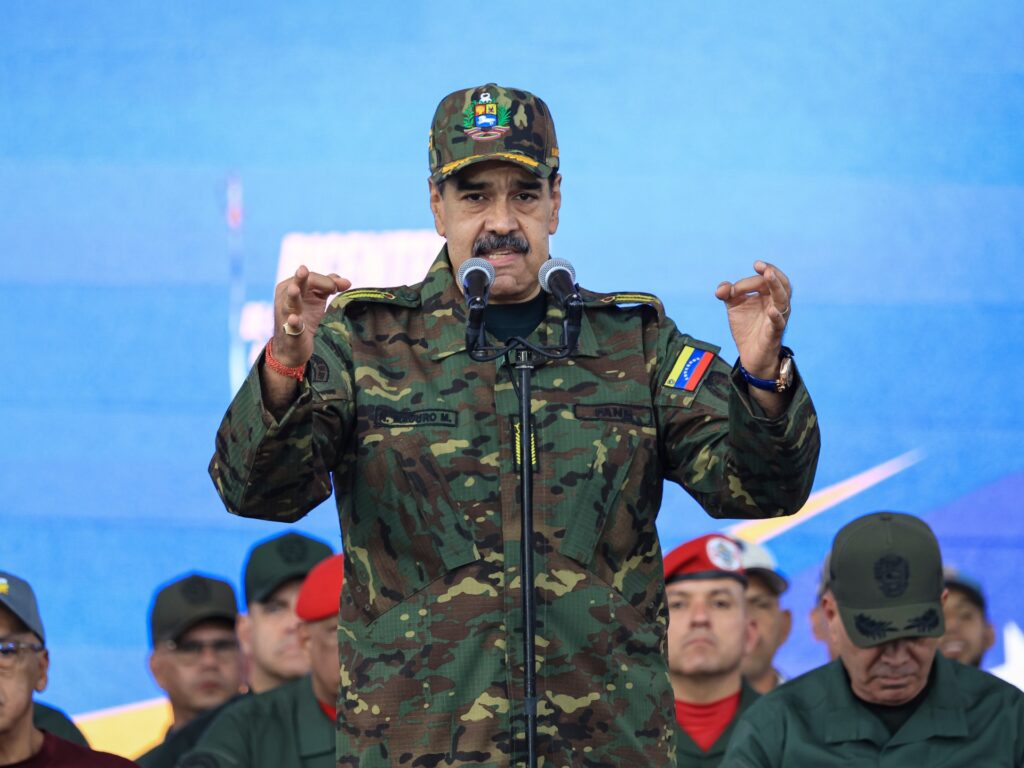
Venezuela’s President Nicolás Maduro is set to appear in a New York court amid serious charges that include narcoterrorism and conspiring to import cocaine into the United States. This unprecedented legal development marks a critical moment in US-Venezuela relations and international law enforcement.
The charges against Maduro accuse him of engaging in drug trafficking activities and supporting narcoterrorist organizations. The US government alleges that Maduro played a central role in a conspiracy to flood the US with cocaine, contributing to the drug crisis affecting many American communities.
However, the situation is complicated by questions regarding the legality of Maduro’s potential arrest or forced appearance in the US judicial system. Legal experts and international observers have raised concerns about the extraterritorial reach of US law enforcement and the implications for sovereignty.
Experts argue that any attempt to abduct or forcibly bring Maduro to the US could be deemed illegal under international law. Such an act might violate principles of state sovereignty and diplomatic immunity granted to sitting heads of state.
The political context adds further complexity. Venezuela’s government, led by Maduro, has consistently condemned US interventions and sanctions, framing this legal case as part of broader efforts to undermine Venezuela’s autonomy.
Court proceedings are expected to draw intense global attention. They will test the limits of international law, US legal authority, and diplomatic protocols.
Observers anticipate that Maduro might contest the charges vigorously, given his longstanding political position and the potential repercussions for his leadership and Venezuela’s international standing.
The case also raises questions about how the US justice system handles foreign leaders accused of criminal activities. Historically, such cases are rare and often involve lengthy diplomatic negotiations.
In addition to the legal and political stakes, this case highlights the ongoing challenges in combating drug trafficking networks that span multiple countries and continents.
For the international community, the outcome of Maduro’s appearance in court could set precedents affecting how allegations against sitting leaders are addressed globally.
As the situation unfolds, key players including Venezuela, the US, and international legal bodies will be closely monitoring proceedings.
The world will watch closely to see whether justice is served while respecting the complex norms of international diplomacy and law.
This landmark event underscores the intersection of criminal justice, international relations, and geopolitical strategy, offering a profound case study for legal scholars and policymakers alike.
In summary, Maduro’s upcoming court appearance is more than a legal case; it is a defining moment with far-reaching consequences for Venezuela, the US, and international legal standards.