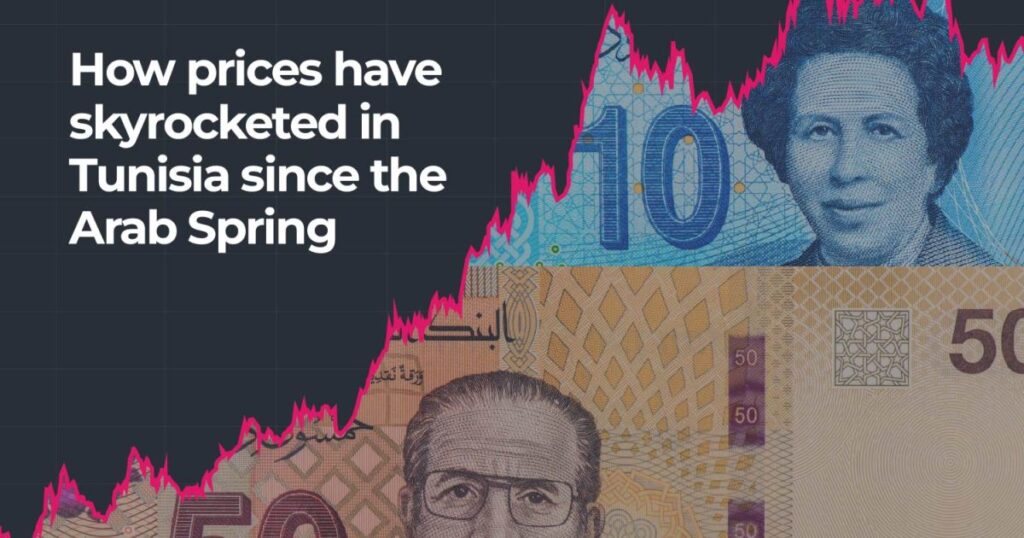
Since the Arab Spring in 2010-2011, Tunisia has experienced significant socio-economic challenges, with one of the most tangible impacts being the sharp rise in the prices of everyday food items. Al Jazeera conducted an investigation tracking the cost of common food products and comparing them with prices before the revolution began.
The Arab Spring, which started in Tunisia with the self-immolation of Mohamed Bouazizi in December 2010, was initially focused on political reform. However, the ensuing years brought about economic instability that continues to affect the everyday lives of Tunisians.
The increasing prices of staple foods such as bread, sugar, cooking oil, and meat have placed a heavy burden on families. For instance, bread, a cornerstone of the Tunisian diet, has seen price increases that far outpace wages, reducing household purchasing power.
Sugar prices have also risen sharply, driven by various factors including supply chain issues, inflation, and currency devaluation. This has had a ripple effect, impacting desserts and beverages that rely on this essential ingredient.
Cooking oil, another basic necessity, now costs significantly more than it did pre-revolution, reflecting broader global trends but also local economic challenges. Many households have had to adjust their consumption habits or seek cheaper substitutes.
Meat prices, particularly for beef and lamb, have surged due to increased demand, supply limitations, and rising livestock costs. This has made these protein sources less accessible to lower-income families, changing dietary patterns across the country.
Several factors contribute to the inflationary pressures in Tunisia post-Arab Spring. Political uncertainty, continued structural reforms, fluctuating oil prices, and social unrest have all played roles. Additionally, external economic shocks, including the COVID-19 pandemic, further strained Tunisia’s fragile economy.
Economic experts suggest that subsidy reforms, currency depreciation, and increased production costs have compounded the issue. Government efforts to stabilize prices have faced limitations amid broader fiscal challenges.
The skyrocketing food prices have had profound social implications. Many Tunisians, especially the youth and rural populations, struggle to afford basic needs, leading to increased poverty rates and social discontent.
As prices continue to climb, protests and calls for economic reform persist, echoing some of the grievances that ignited the Arab Spring.
In summary, the cost of living in Tunisia has risen dramatically since the 2010 revolution, with food prices exemplifying the broader economic difficulties. Monitoring these trends is essential for understanding the ongoing impact of political and economic transitions in the region.