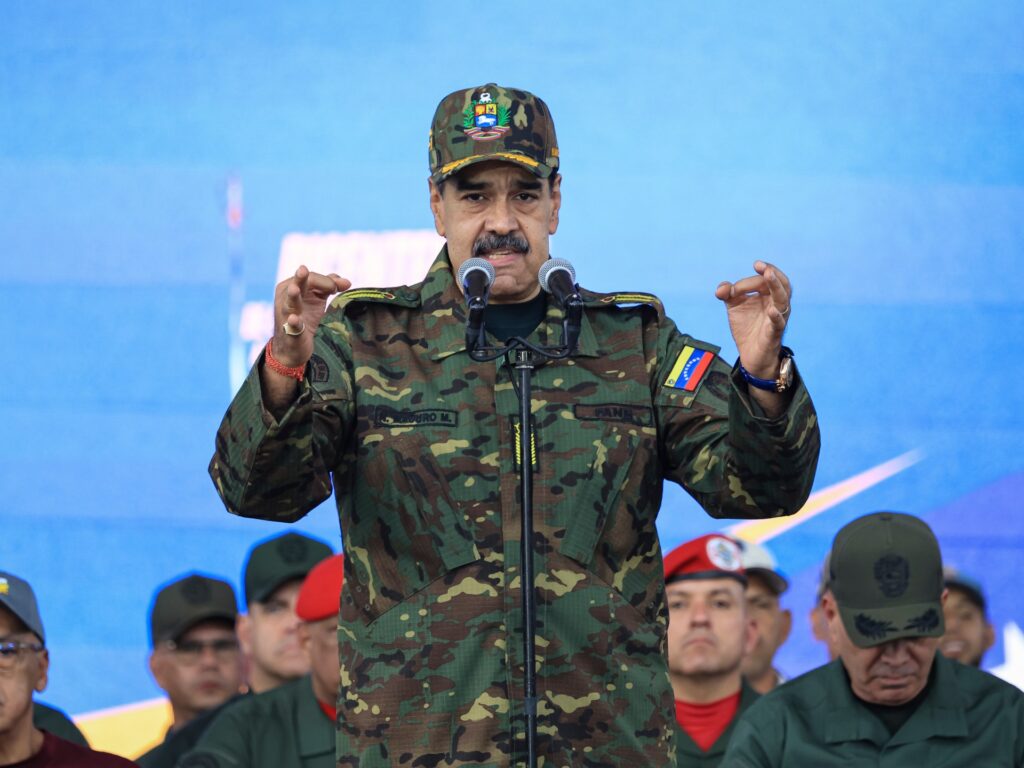
Nicolás Maduro, the President of Venezuela, is set to appear in a New York court on charges of ‘narcoterrorism’ and conspiring to import cocaine into the United States. These allegations form part of a broader indictment accusing Maduro and several members of his administration of drug trafficking to fund the Venezuelan regime and maintain power.
The charges against Maduro stem from investigations by U.S. law enforcement and intelligence agencies that have linked his government to the movement and distribution of narcotics, primarily cocaine, into the U.S. market. This legal action highlights the ongoing tensions between the U.S. government and Maduro’s administration, which the U.S. and several other countries do not recognize as legitimate.
Legal experts have noted that Maduro’s abduction, if it occurs, would be illegal under international law. Maduro remains in Venezuela, and his presence in a U.S. court is highly unlikely unless extraordinary measures are taken. The scenario raises significant questions about sovereignty and international diplomatic protocols.
The court appearance itself, whether in person or through some legal procedural mechanism, will be closely watched. It marks a rare and dramatic escalation in the international efforts to hold Maduro accountable for alleged corruption and criminal activities.
Observers expect Maduro to strongly deny the charges, which his government calls politically motivated. The case is expected to be complex, involving substantial evidence from covert operations and testimonies from insiders and defectors.
This development adds to the already fraught political situation in Venezuela, intensifying a crisis marked by economic collapse, humanitarian issues, and mass migration. The indictment and potential court proceedings could further isolate Maduro internationally, although his supporters within Venezuela regard these actions as imperialist aggression.
As the legal process unfolds, it will test the limits of international law and the ability of the U.S. justice system to hold foreign leaders accountable while respecting diplomatic laws and norms. The implications of this case could extend beyond Maduro, affecting how international criminal justice addresses the actions of sitting heads of state in the future.