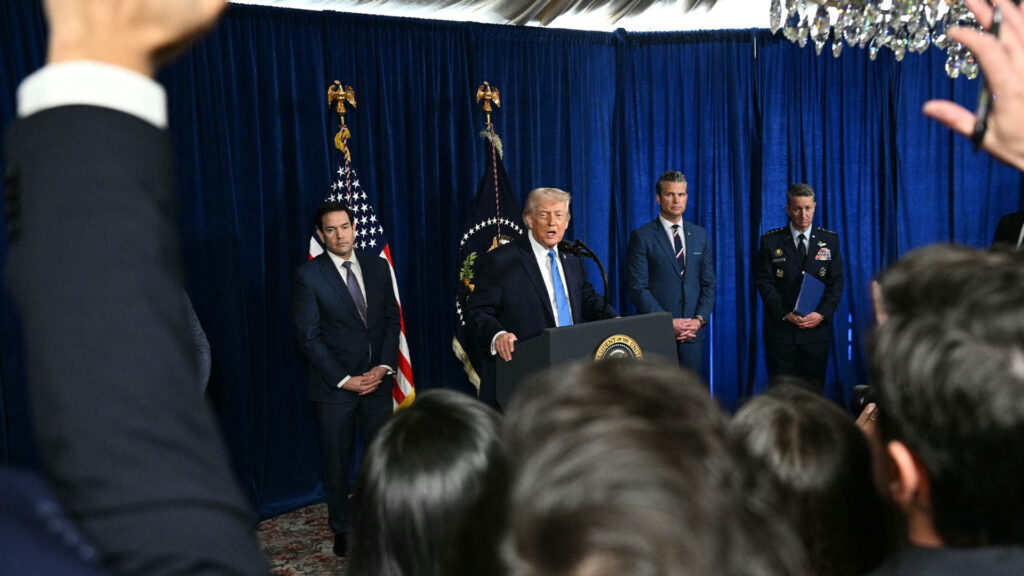
Trump says the US will “take back” Venezuela’s oil.
He argues it should reimburse Washington for past spending.
This controversial declaration sent shockwaves.
It reverberated across diplomatic circles.
Former President Donald Trump articulated this proposition.
He claims the U.S. holds a legitimate right.
To seize Venezuela’s immense oil reserves.
His reasoning is blunt.
These vast subterranean riches must be repurposed.
They should directly reimburse Washington.
For a litany of past expenditures.
These include humanitarian aid.
And broader military and economic interventions.
Perceived as stabilizing regions.
And safeguarding American interests.
This extraordinary proposal creates profound challenges.
It confronts national sovereignty.
It questions established international law.
It impacts global energy governance.
Its gravity signals a troubling paradigm shift.
In how powerful nations interact.
Especially with resource-rich but vulnerable states.
Trump’s remarks align with his “America First” ethos.
His platform defined his presidency.
It portrayed the U.S. as burdened.
By global responsibilities and unrecouped costs.
He views oil appropriation as fiscal rectitude.
A necessary reclamation of assets.
For a nation he believes provided global leadership.
Without fair return.
This perspective is transactional.
And often confrontational.
It demands recompense for past assistance.
Even from struggling sovereign nations.
Venezuela’s economic plight is undeniable.
Under Maduro, hyperinflation spirals.
Endemic poverty affects millions.
Public services have collapsed.
A mass exodus continues.
Trump might see this as justification.
Viewing regime failures as a basis for seizure.
However, seizing sovereign resources is opposition.
It defies modern international law.
The UN Charter prohibits force.
Against territorial integrity or political independence.
A U.S. act would violate sovereignty.
Triggering legal challenges.
And widespread global condemnation.
Foreign appropriation is aggression.
Economic plunder.
An infringement on self-determination.
Such a move is uniformly unlawful.
It threatens international norms.
And opens a dangerous Pandora’s Box.
Weakening the global rule of law.
Setting a perilous precedent.