WASHINGTON D.C. / CARACAS – In a breathtaking and meticulously executed military operation that has sent profound shockwaves across every continent, the United States has launched a decisive and unilateral intervention in Venezuela, successfully bringing about the swift collapse of the Nicolas Maduro regime. Following a highly targeted and brief yet intense bombing campaign across key strategic locations throughout the South American nation, Venezuelan President Nicolas Maduro was reportedly apprehended by specialized U.S. forces. He was then immediately and dramatically transported to New York, where he is now expected to face an array of grave charges under international and U.S. law. President Donald Trump, in a striking address to the American people from the solemn confines of the White House, unequivocally declared that the United States would now directly “run” Venezuela, signaling an unprecedented level of foreign administration and oversight in the beleaguered nation’s history. This audacious move reshapes the geopolitical landscape of the Western Hemisphere overnight.
The intervention, which commenced in the pre-dawn hours of what military strategists dubbed “Operation Bolívar’s Dawn,” involved a series of precision airstrikes. These strikes specifically targeted critical military command centers, sensitive government intelligence facilities, and known loyalist strongholds situated both within and surrounding the capital city of Caracas. Eyewitnesses across the city reported hearing significant explosions and sustained intermittent gunfire for several hours, which ultimately led to a remarkably rapid collapse of any organized state resistance. The Pentagon has since confirmed that the entire operation was executed with a concerted effort to minimize civilian casualties, though independent verification of these claims remains an urgent priority amidst the still-unfolding and highly fluid situation.
Maduro himself was reportedly apprehended in a heavily fortified compound on the outskirts of Caracas, where intelligence suggested he was attempting to coordinate a desperate, last-ditch resistance effort from a hidden bunker. Sources closely involved with the intricate operation indicated that elite U.S. Special Forces units executed a flawlessly planned and swiftly executed raid, successfully securing the former leader without any significant combat or prolonged incident. His dramatic capture marks the culmination of several years of escalating diplomatic tensions, economic sanctions, and relentless international pressure, as the United States and dozens of other nations had long since deemed his presidency illegitimate and his rule tyrannical.
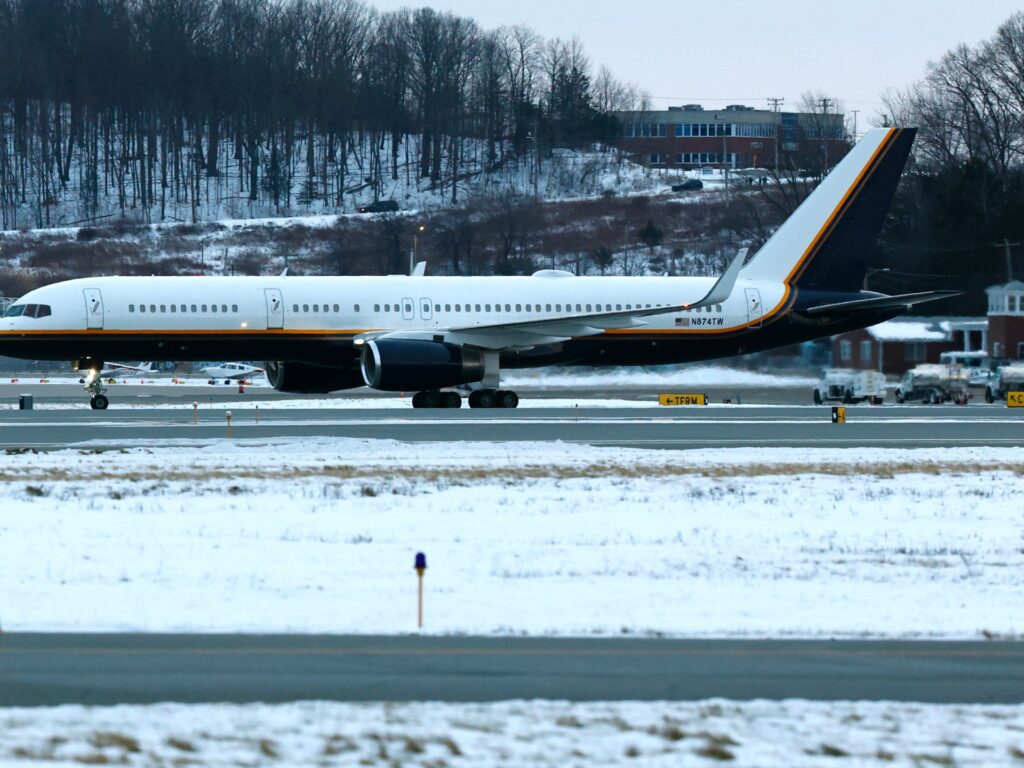
Within a mere few hours of his apprehension, a subdued Maduro was placed onto a heavily guarded U.S. military transport plane and flown under extreme security protocols directly to New York City. While specific and official charges have yet to be formally announced by U.S. authorities, legal experts and international observers widely anticipate that he will face a formidable array of accusations. These charges are expected to range from narco-terrorism and widespread corruption to severe human rights abuses and the brutal suppression of dissent, for which U.S. indictments were already publicly outstanding. His unprecedented arrival on U.S. soil opens a new, deeply complex, and potentially contentious chapter in the annals of international law, national sovereignty, and the use of military force.
President Trump’s bold declaration that the U.S. would now directly “run” Venezuela underscores a radical and potentially paradigm-shifting departure in American foreign policy and interventionism. In his widely watched televised address, Trump asserted with unwavering conviction that the intervention was an absolute necessity to restore genuine democracy, halt the widespread human suffering that had plagued the nation, and decisively stabilize a region long threatened by the “corrupt, tyrannical, and destabilizing” Maduro regime. He meticulously outlined immediate plans for a massive influx of humanitarian aid delivery, the rapid establishment of an interim administrative authority, and the initiation of a comprehensive, multi-phase reconstruction effort specifically aimed at revitalizing Venezuela’s utterly shattered economy and its crumbling infrastructure.
The international community’s initial reaction has been, predictably, starkly divided along existing geopolitical lines. Key regional allies such as Colombia and Brazil were quick to voice their unequivocal support, publicly praising the U.S. for its decisive and long-awaited action against what they consistently described as a profoundly destabilizing force in Latin America. Conversely, formidable global powers like Russia and China, both long-standing diplomatic and economic partners of the now-fallen Maduro government, issued strong and immediate condemnations. They vehemently described the intervention as a flagrant violation of Venezuela’s sacred sovereignty and a direct contravention of international law, warning gravely of severe and far-reaching implications for overall global stability and the existing world order. The United Nations Security Council convened an emergency session within hours, though reaching any consensus on the legality, proportionality, and long-term implications of the unilateral U.S. action remained deeply elusive amidst heated debate.
On the ground in Venezuela, the immediate situation remains highly fluid and charged with uncertainty. While scattered pockets of loyalist resistance are reportedly attempting to regroup and mount some form of opposition, large sections of the civilian population have reportedly taken to the streets in scenes of jubilant celebration, waving Venezuelan flags and openly expressing profound relief at Maduro’s sudden ouster. However, humanitarian organizations are simultaneously bracing themselves for the very real potential of renewed civil unrest and a devastating deepening of the already severe food, water, and medicine shortages, urgently appealing for immediate and robustly coordinated international relief efforts to prevent a further crisis.
The challenging path forward for Venezuela under direct U.S. stewardship appears exceptionally fraught with numerous obstacles and complexities. The very notion of a foreign power directly governing a sovereign nation raises a myriad of profound questions about national self-determination, the precise legality of such an extensive intervention, and the long-term viability and legitimacy of any U.S.-backed administration. The immediate priorities will undeniably include establishing comprehensive security across the nation, fostering the formation of a legitimate transitional government acceptable to a broad spectrum of Venezuelan society, and tackling the monumental, multi-generational task of painstakingly rebuilding a nation utterly decimated by years of relentless political turmoil, chronic mismanagement, and catastrophic economic collapse. The eyes of the world are now firmly and anxiously fixed on Venezuela, awaiting the next dramatic developments in this rapidly unfolding and historically significant geopolitical drama.