In a stunning, unprecedented global event,
Nicolas Maduro, Venezuela’s former President,
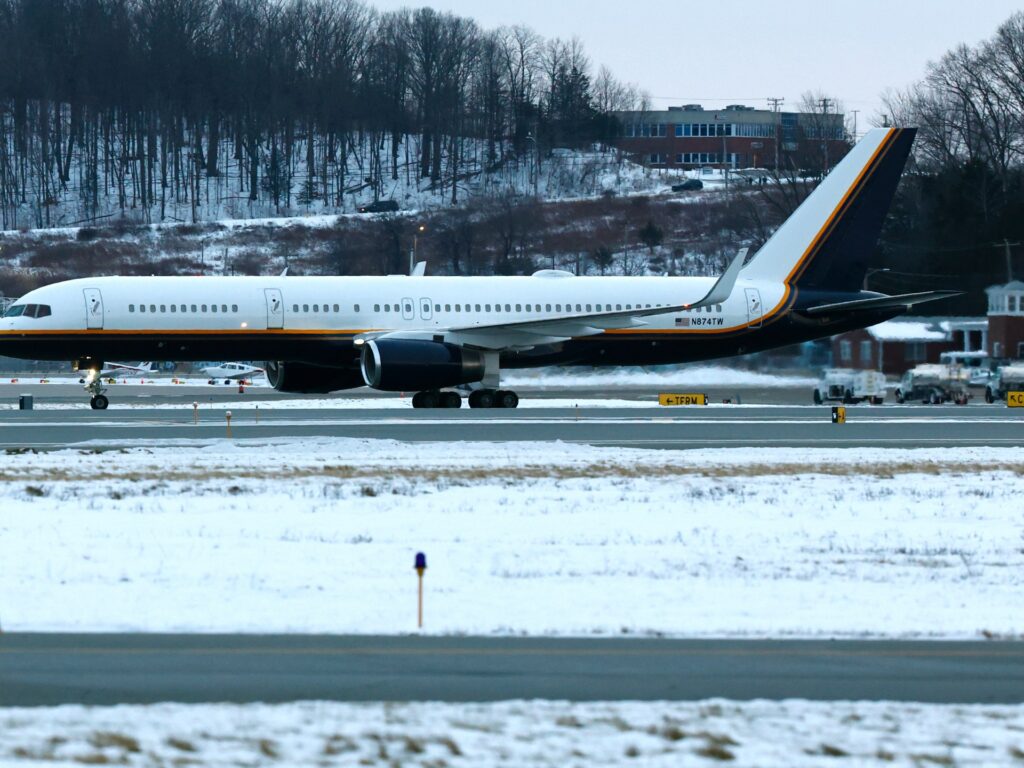
arrived in New York earlier today.
His appearance follows a rapid, decisive military intervention
spearheaded by the United States.
This operation, involving targeted bombings
and specialized ground forces,
led to the swift toppling of the Maduro regime
and his subsequent capture.
Sources indicate Maduro was seized in Caracas
and immediately transported to US soil,
marking a pivotal moment in international relations.
The US government has yet to issue a full statement
on the intervention’s scope or rationale.
However, preliminary reports confirm
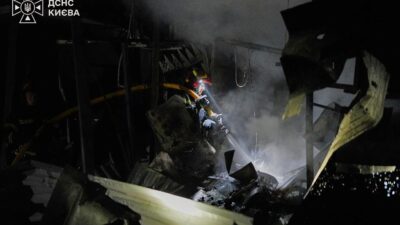
pre-dawn aerial bombardments across Venezuela,
targeting military installations and key communication hubs.
The speed and force of the operation
overwhelmed Venezuelan loyalist forces,
leading to a rapid collapse of resistance.
While casualty figures remain unconfirmed,
the offensive suggests a meticulously planned strategy
for immediate regime change.
Maduro’s arrival in New York is shrouded in secrecy,
with immense security around his undisclosed location.
Legal and political observers widely speculate
he will face grave charges,
including systemic corruption, human rights abuses,
and international drug trafficking allegations long leveled by Washington.
This development marks the end of a protracted standoff
between the US and Venezuela,
characterized by sanctions and diplomatic tensions.
The international community is profoundly unsettled
by this unilateral military action.
While some nations critical of Maduro’s leadership
may cautiously welcome the outcome,
a broader segment of global diplomacy
is expected to condemn the intervention
as a violation of Venezuela’s sovereignty
and international law.
The United Nations Security Council is convening
an emergency session to address the crisis
and its far-reaching consequences.
Within Venezuela, the situation remains volatile.
Reports suggest mixed public reactions:
relief and celebration in opposition strongholds,
versus anger and apprehension among Maduro loyalists.
The nation’s immediate future is uncertain,
with urgent questions about an interim government,
democratic restoration and national reconstruction
in a deeply divided country.
Analysts predict a seismic shift
in Latin America’s geopolitical landscape.
The US intervention sets a controversial precedent,
potentially reshaping regional alliances
and challenging international governance frameworks.
Economic ramifications are also profound,
given Venezuela’s vast oil reserves
and its role in global energy markets.
New policies could alter oil supply dynamics
and regional investment patterns.
As the world watches anxiously,
the situation is extraordinarily fluid and unpredictable.
Maduro’s capture and New York arrival
signify more than a regime’s end;
they herald the tumultuous beginning
of a complex, potentially violent new era.
This epoch will define Venezuela’s future
and reshape the wider international order,
challenging principles of global security.