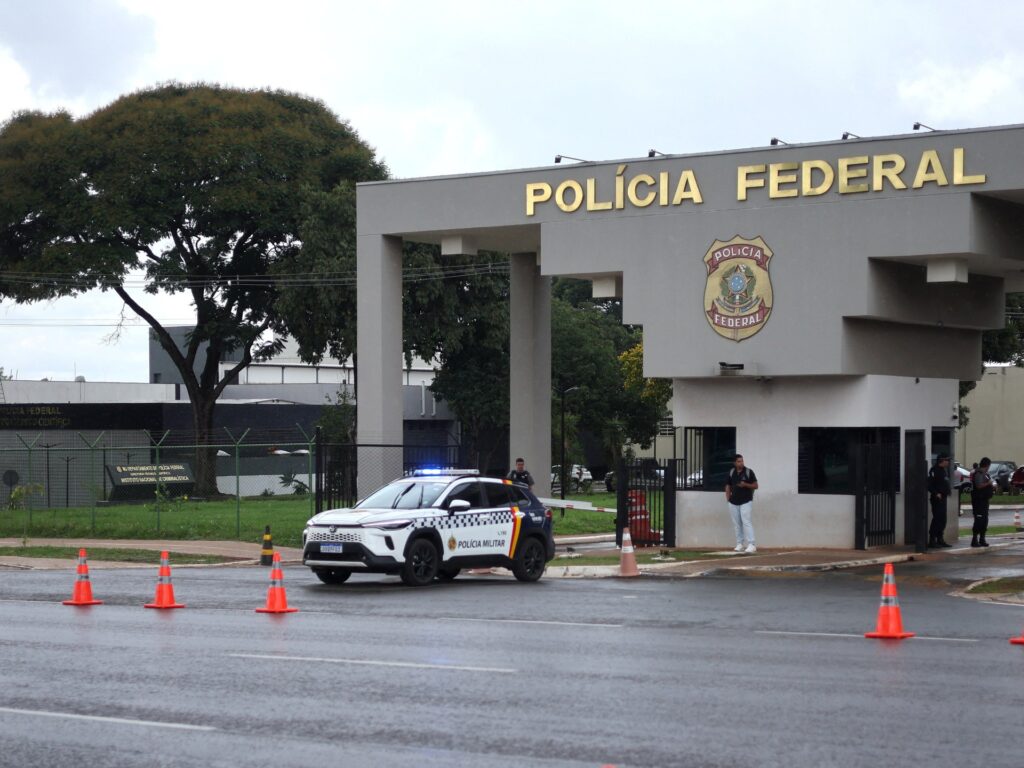
In a significant development in the political unrest stemming from the recent coup plot in Brazil, a Brazilian court has ordered house arrest for several accomplices of former President Jair Bolsonaro. This action follows the capture of a former police chief, who had been convicted in connection with the coup attempt, in Paraguay. The former police chief was apprehended while attempting to flee to El Salvador, raising concerns about the extent of the plot and the network involved.
The court’s decision underscores the seriousness with which Brazilian authorities are treating the case. The coup plot, which aimed at subverting the democratic process, has implicated several high-profile figures aligned with Bolsonaro. The move to house arrest is part of broader efforts to dismantle the alleged conspiracy and to prevent further destabilization.
The arrested accomplices are believed to have played various roles in planning and facilitating the coup attempt. Their transition to house arrest indicates a strategic approach to managing the investigation — balancing between ensuring security and allowing for continued legal processes.
This development has sparked intense political debate across Brazil. Supporters of Bolsonaro have expressed outrage, claiming the arrests are politically motivated, while opponents argue the measures are necessary to uphold the rule of law and protect Brazil’s democracy.
The event also sheds light on the cross-border dimensions of the coup plot. The former police chief’s flight to Paraguay and intended escape to El Salvador suggest there are international elements involved, raising questions about potential support or sanctuary sought beyond Brazil.
Authorities in Paraguay cooperated with Brazilian officials to apprehend the fugitive, highlighting regional collaboration in addressing threats to democratic governance.
The Brazilian government has reaffirmed its commitment to a transparent investigation and to holding all involved accountable. President Lula da Silva, Bolsonaro’s successor, emphasized the importance of stability and justice during a recent public address.
Experts note that these judicial actions could deter future attempts to undermine democratic institutions in Brazil and other countries facing similar challenges.
Meanwhile, human rights organizations have called for fair treatment and due process for those accused, stressing the need for judicial independence amidst political tensions.
The court’s ruling is expected to be appealed by the defense, which may prolong the legal proceedings. However, for now, the house arrest marks a critical juncture in the ongoing saga of Brazil’s political crisis.
As investigations continue, many Brazilians watch closely, hoping for a resolution that reinforces democratic norms and restores public trust in their government institutions. The case remains a potent reminder of the fragility of democracy and the vigilance required to protect it from internal threats.