The ongoing civil war in Myanmar has entered a critical juncture as the military government conducts elections amidst escalating conflict and territorial disputes. Since the military coup in February 2021, the country has been engulfed in widespread violence, with the military junta battling ethnic armed groups and pro-democracy forces. Despite international condemnation and sanctions, the military seeks to solidify its hold on power through these elections, which many critics argue are designed to legitimize its rule rather than reflect the will of the people.
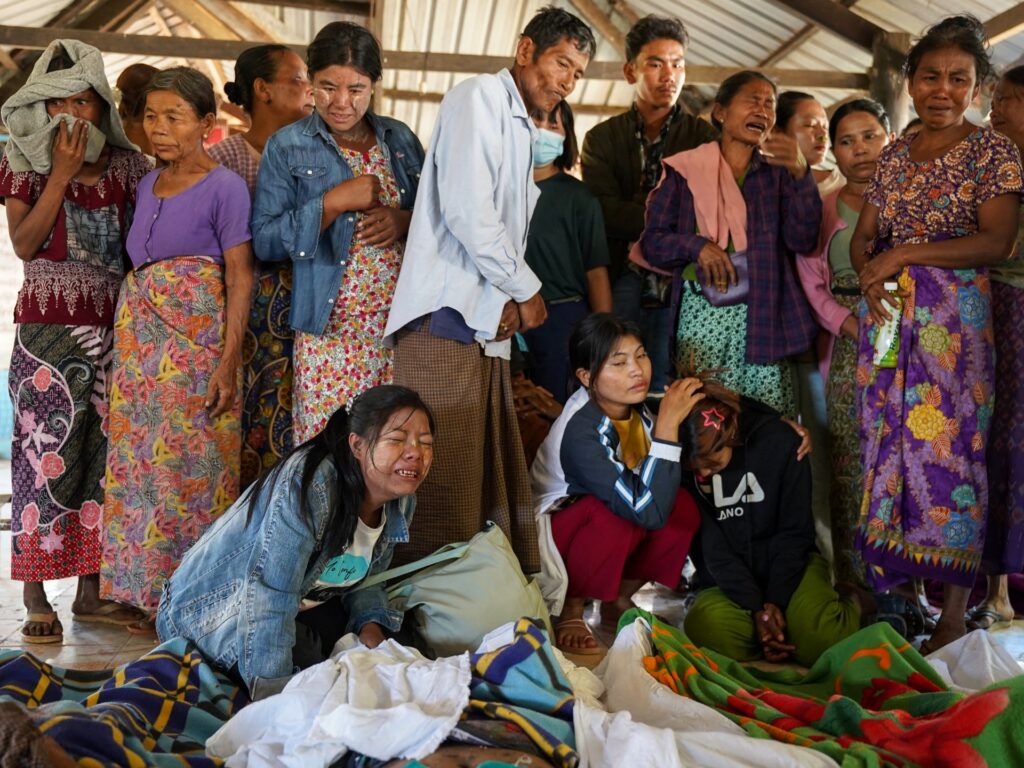
Territorial clashes have intensified as the military attempts to reclaim control over regions held by various ethnic armed organizations. These conflicts have led to numerous casualties, displacements, and a humanitarian crisis affecting thousands of civilians. The military’s strategy involves not only military offensives but also political maneuvers, including the election, to consolidate authority and weaken opposition.
China, a key regional player with significant economic and strategic interests in Myanmar, has urged all parties to seek stability and dialogue. Beijing’s call for peace reflects concerns over the conflict’s potential to destabilize the region and impact its Belt and Road Initiative projects in Myanmar. However, China’s emphasis on stability is also seen as tacit support for the military government, prioritizing regional security and economic continuity over democratic processes.
The civil war’s persistence and the military’s election underscore the deep divisions within Myanmar. Ethnic armed groups continue to resist the central government’s control, demanding autonomy and democratic rights. Meanwhile, pro-democracy advocates contest the military’s legitimacy and call for international intervention.
As the military clings to power through electoral and military means, the prospect for peace remains uncertain. The international community remains divided, with some nations imposing sanctions and others maintaining engagement with Myanmar’s military regime. The complex interplay of local insurgencies, military ambitions, ethnic grievances, and regional geopolitics shapes Myanmar’s fraught path forward.
In conclusion, Myanmar’s civil war and the military’s elections mark a pivotal moment with significant implications for the country’s future. The struggle between autocratic military rule and aspirations for democracy and ethnic autonomy continues to fuel conflict, while external actors like China influence the dynamics toward stability and control. The resolution of this crisis will depend on inclusive dialogue, political reforms, and a genuine commitment to peace from all stakeholders involved.