In a significant escalation of conflict, Sudan’s army has initiated air strikes on Nyala, a city that serves as the headquarters for the Rapid Support Forces’ (RSF) alternative government. This move underscores the intensifying hostilities between the Sudanese military and the paramilitary RSF.
Nyala, located in the Darfur region, has become a focal point of conflict due to its strategic and symbolic importance. It houses the RSF’s alternative government, making it a prime target for military operations aimed at undermining paramilitary control.
The air strikes specifically targeted the fuel market in Nyala. This area is crucial as it supplies fuel to many parts of the city and surrounding regions, and its disruption is likely to have significant economic and logistical consequences for residents and RSF forces alike.
Drone attacks were also reported during these operations, marking the use of modern military technology in the ongoing conflict. The utilization of drones suggests increased sophistication in Sudan’s military tactics and a shift toward integrated aerial and ground combat strategies.
This escalation follows a series of confrontations between Sudan’s military and the RSF, which has been vying for power and control in the country. The RSF’s alternative government represents their bid for legitimacy and governance independent of the central Sudanese government.
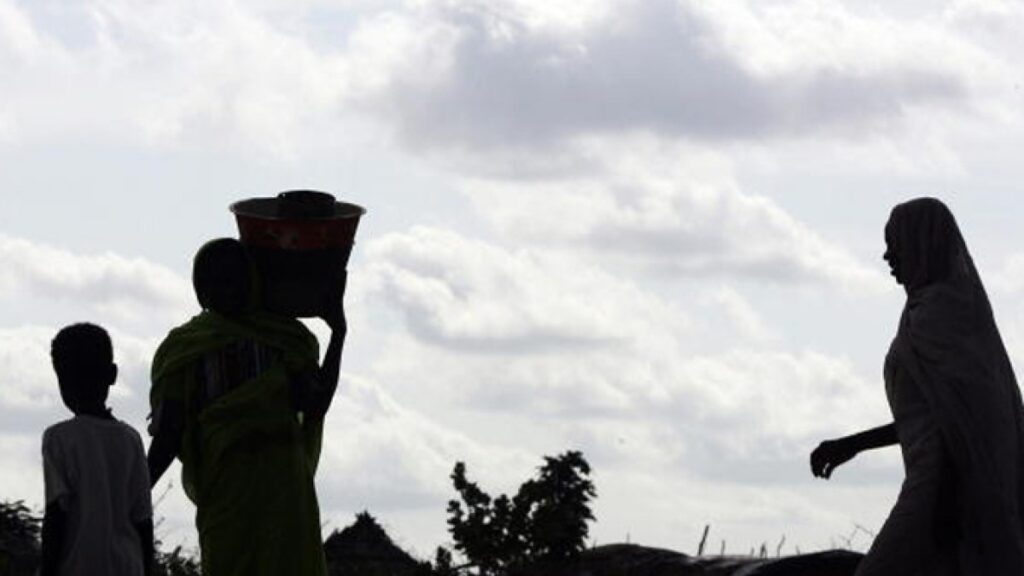
Local residents have expressed concern over the air strikes, fearing the impact on civilian lives and infrastructure. Nyala’s population is already under strain from the conflict, with displacement and shortages of essential services becoming more prevalent.
International observers have called for restraint and urged both parties to seek dialogue to avoid further bloodshed. The conflict’s continuation risks destabilizing the region, exacerbating humanitarian crises, and undermining Sudan’s fragile peace process.
The Sudanese army’s actions in Nyala signify a critical juncture in the ongoing power struggle. Analysts suggest that control over strategic locations like Nyala could determine the conflict’s eventual outcome and the future political landscape of Sudan.
As the situation develops, attention is focused on the humanitarian response needed to assist those affected by the escalation. Aid organizations face challenges accessing the region due to security concerns, complicating efforts to provide relief.
The conflict in Sudan remains complex, involving multiple factions and deep-rooted political tensions. The recent air strikes against the RSF in Nyala highlight the volatile nature of the dispute and the urgent need for a peaceful resolution.
In summary, Sudan’s military air strikes on Nyala represent a sharp intensification of the conflict with the RSF. With the use of drones and targeting of critical infrastructure like the fuel market, the operations aim to weaken the paramilitary’s hold on the city. This development has sparked widespread concern over civilian safety and the broader implications for stability in Sudan and the Darfur region.