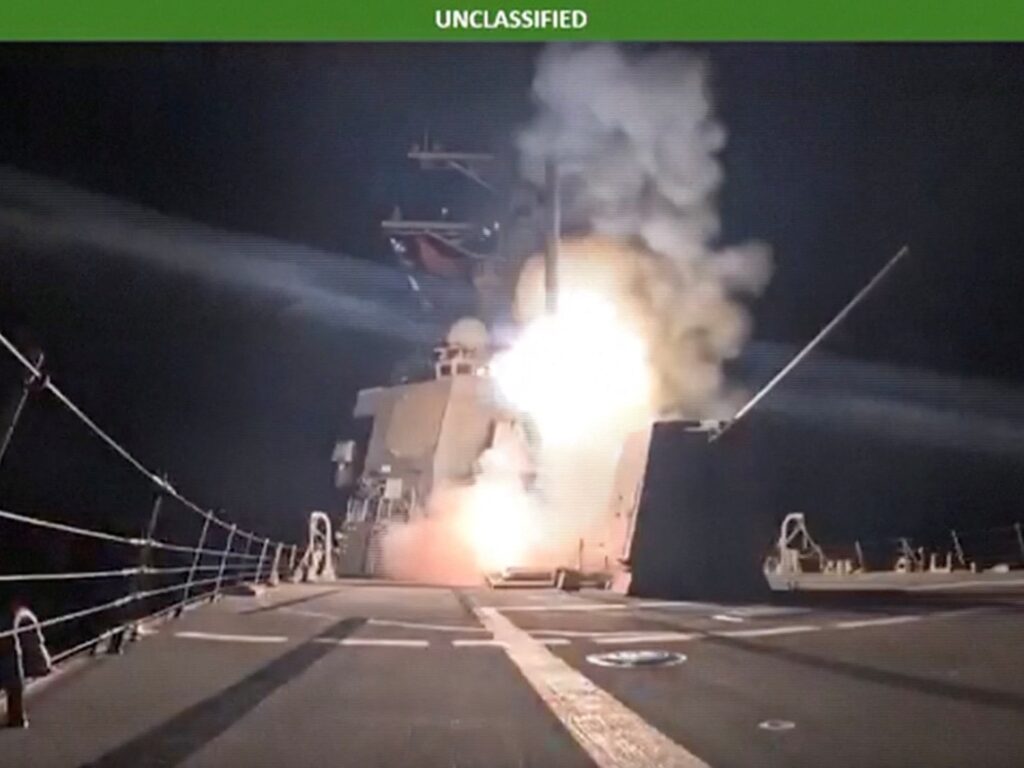
In a recent development, Nigeria has officially confirmed the United States conducted airstrikes targeting ISIL strongholds in the country’s northwest region. This confirmation comes after initial reports from the US military regarding the operation aimed at dismantling extremist cells that have been responsible for significant instability and violence in the region.
The Nigerian government acknowledged the US strikes but emphasized the complexity of the security situation in the northwest. Authorities have been battling multiple insurgent groups, including Boko Haram and factions aligned with the Islamic State, which have collectively contributed to a deteriorating security landscape.
Interestingly, Nigeria has contested some US statements, particularly regarding claims that Christians face targeted persecution in the country. Nigerian officials argue that such claims oversimplify the region’s multifaceted conflicts and do not accurately reflect the broader security dynamics affecting all communities.
The northwest, known for its diverse demographic, has experienced numerous attacks that have led to civilian casualties, displacement, and economic disruption. Government forces, aided by international partners, have intensified efforts to restore order and protect vulnerable populations.
The US military’s precision strikes are described as part of a broader strategy to weaken extremist groups and support Nigerian military operations on the ground. However, the confirmation of such strikes by the Nigerian government marks a significant acknowledgement of foreign military involvement in the ongoing fight against terrorism within its borders.
Human rights organizations continue to call for careful monitoring to ensure such military actions do not inadvertently harm civilians or escalate tensions further. The Nigerian government has reiterated its commitment to a comprehensive approach that includes military, humanitarian, and community-based initiatives to address the root causes of conflict.
Nigeria’s position highlights the delicate balance between combating terrorism and maintaining national sovereignty, underscoring the challenges faced by governments confronting extremist threats while managing international partnerships.
This episode sheds light on the complicated realities in regions impacted by insurgency, where security, religious, and ethnic issues intertwine, demanding nuanced understanding and responses from both domestic authorities and international actors.
As the situation develops, stakeholders both within Nigeria and abroad are watching closely to see how diplomatic and military cooperation evolves to bring lasting peace and stability to the troubled northwest.