In a recent and bold announcement, Russia has claimed to have seized more than 5,100 square kilometers of Ukrainian territory in 2025. This claim adds a significant chapter to the ongoing conflict between the two nations, where territorial control has been fiercely contested. According to Russian officials, the territory seized represents a considerable strategic gain that would strengthen Moscow’s position in the ongoing conflict.
However, these claims have been met with skepticism both internationally and within Ukraine. Analysts and Ukrainian officials alike have expressed doubts regarding the veracity of Moscow’s announcements. Many experts suggest that Russia may be exaggerating its territorial acquisition to bolster morale at home and to influence ongoing diplomatic negotiations.
The Ukrainian government has neither confirmed nor accepted the extent of the territorial losses as claimed by Russia. Ukrainian officials emphasize the resilience of their forces and continue to report counteroffensives in various regions. The apparent discrepancy between Russian claims and Ukrainian reports underscores the complexity of verifying facts in a conflict zone where information warfare is a common tactic.
Peace talks aimed at resolving the conflict have recently come to a standstill. Diplomatic efforts to broker a ceasefire or lasting agreement have been hampered by deep mutual distrust and conflicting demands. The announcement of new territorial gains by Russia might further complicate these peace negotiations, as it shifts the balance of power and creates new realities on the ground.
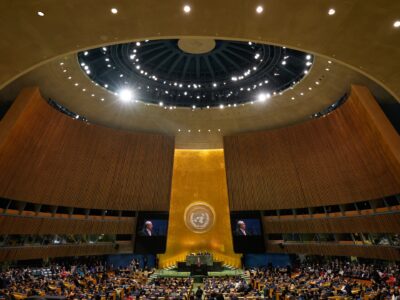
International bodies and foreign governments have called for renewed dialogue and restraint. Many observers warn that escalating military advances can lead to prolonged conflict, increased humanitarian crises, and destabilization of the broader region.
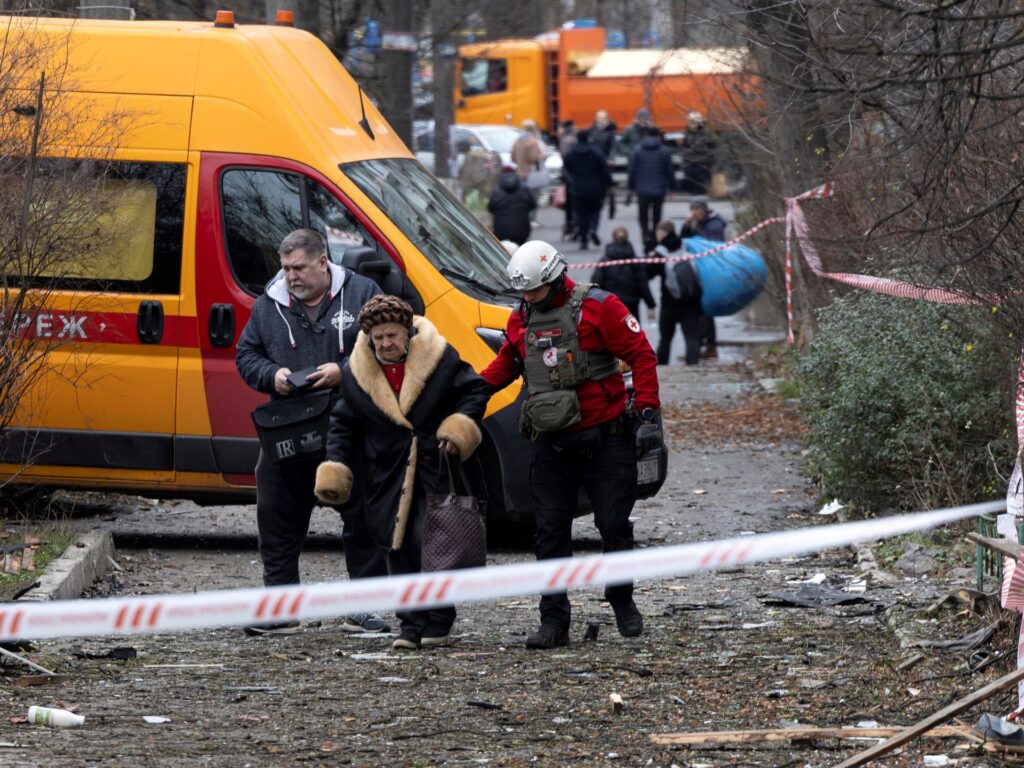
Meanwhile, on the ground, civilians continue to bear the brunt of the fighting. Displacement, infrastructural destruction, and economic disruption have intensified in areas close to conflict zones. Humanitarian agencies are pushing for greater access and assistance to alleviate suffering.
The situation remains fluid. With conflicting narratives and stalled diplomacy, the prospects for an immediate resolution appear dim. Stakeholders on all sides continue to monitor developments closely, hoping for a breakthrough that could pave the way for peace.
This latest episode in the Russia-Ukraine conflict highlights the ongoing challenges of territorial disputes in modern warfare, the role of information in shaping international perceptions, and the urgent need for effective conflict resolution mechanisms to prevent further escalation and human suffering.