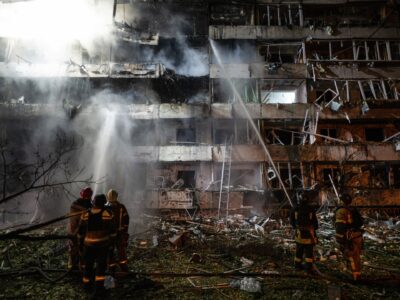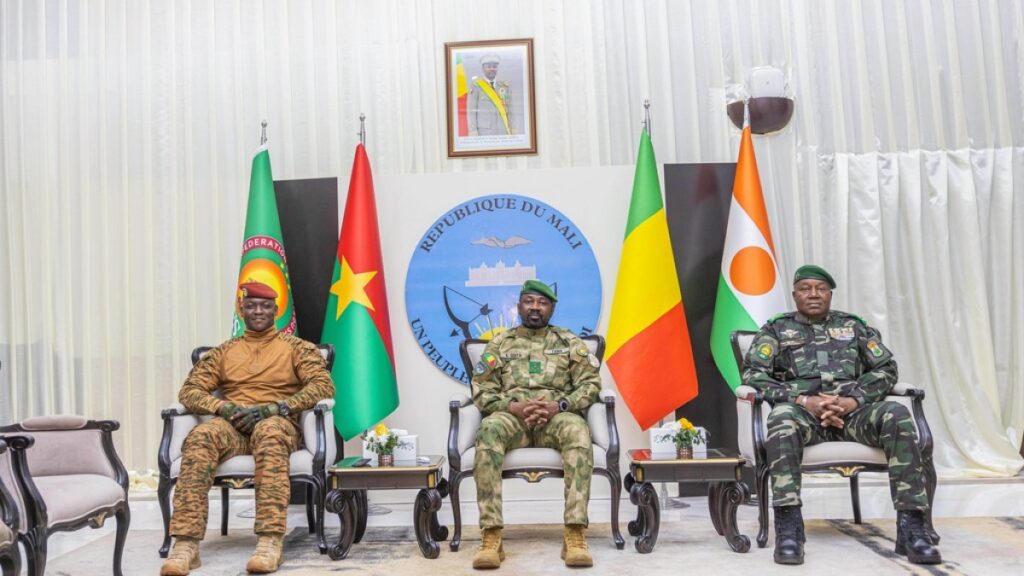
The Sahel region of Africa, encompassing countries such as Mali, Niger, Burkina Faso, Chad, and Mauritania, is currently at the center of a critical turning point due to escalating insecurity mainly caused by armed groups and extremist militancy. During a recent Sahel Summit, these countries have come together to address the biggest challenge facing the region: the rising wave of violence and instability threatening their security and development.
One of the key outcomes of this summit was the announcement of a joint battalion created by the Sahel countries. This battalion is designed to pool military resources and expertise across national boundaries to more effectively combat armed groups operating within the region. The aim is to improve coordination and operational capacity in order to halt the spread of terrorism and organized violence that have caused humanitarian crises, displacement, and shattered local economies.
The joint battalion signifies a new level of regional cooperation and strategic planning. It reflects the understanding among Sahel leaders that unilateral national efforts have been insufficient to address the complex and deeply rooted security threats. This collaborative approach looks to build a stronger unified response capable of deploying troops swiftly and managing intelligence-sharing and logistical efforts efficiently.
In line with enhancing security partnerships, the Sahel countries are also boosting ties with Russia. This move reflects a geopolitical shift with implications for both military assistance and political alliances. Russia’s involvement is aimed at providing support in terms of equipment, training, and intelligence, helping the Sahel nations strengthen their security apparatus. This relationship potentially complements existing collaborations with Western countries but also indicates a broadening of diplomatic and defense ties on the global stage.
Despite these proactive measures, the challenges facing the Sahel persist and are multifaceted. The region grapples not only with armed insurgencies but also with widespread poverty, weak governance structures, and ecological issues such as desertification and climate change. These factors compound the difficulty of stabilizing the region and delivering sustainable development and peace.
Moreover, the insurgent groups in the Sahel are evolving, with complex networks that cross borders and exploit local grievances and economic hardships. Their activities have destabilized communities, disrupted trade routes, and triggered mass displacements, causing a dire humanitarian situation.
The summit highlighted the necessity for a holistic approach that integrates security measures with efforts to improve governance, socio-economic development, and regional integration. International partners, regional organizations, and civil society play crucial roles in supporting peacebuilding initiatives and resilience in vulnerable communities.
In sum, the Sahel’s biggest challenge is the intertwined nature of security threats with underlying social, economic, and environmental problems. The launch of a joint battalion and enhanced ties with Russia represent important steps toward addressing immediate security concerns. Still, lasting solutions will require sustained commitment, collaboration, and comprehensive strategies that address the root causes fueling instability.
The Sahel Summit marks a pivotal moment for these nations to consolidate their efforts and define a path toward peace, security, and development for a region whose future hangs in the balance.