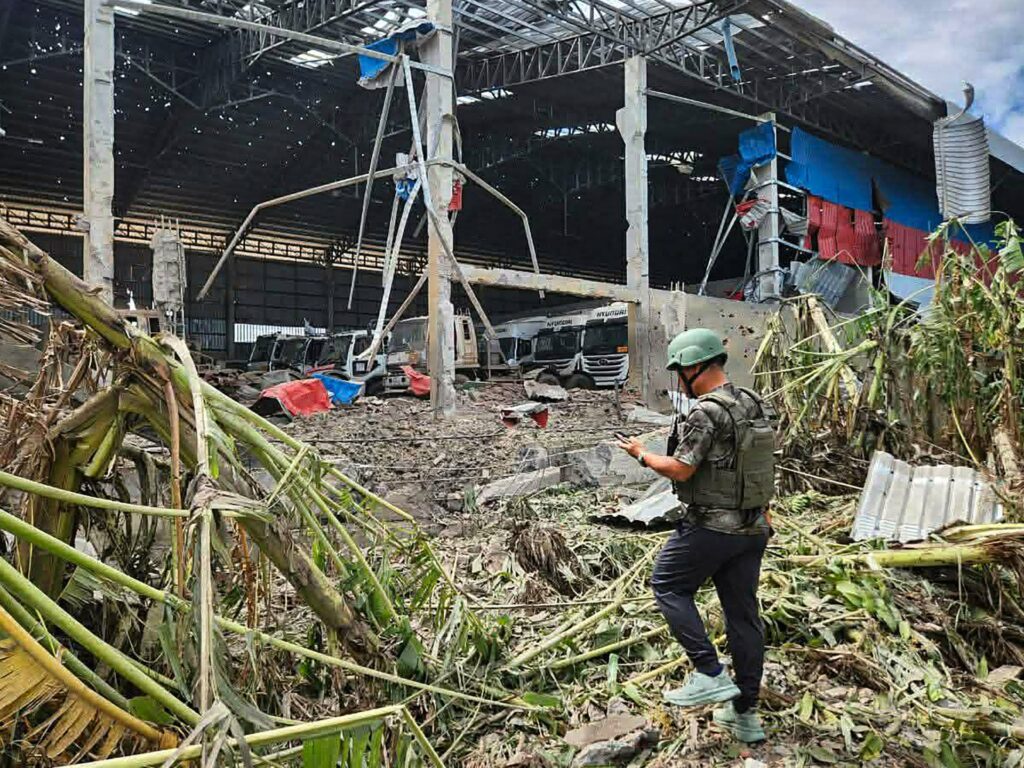
Tensions between Thailand and Cambodia have escalated once again as fighting resumed along their shared border. The resurgence of violence comes just hours before the foreign ministers of both nations are scheduled to meet in Malaysia to discuss strategies aimed at de-escalating the conflict and restoring peace in the region.
The border clashes have reignited longstanding disputes over territorial claims, which have periodically sparked confrontations over the years. This recent flare-up has raised concerns among regional security observers and neighboring countries about the stability of the area and the potential for the conflict to intensify.
Officials from Thailand and Cambodia are set to engage in talks aiming to address the underlying issues fueling the clashes. The meeting in Malaysia represents a critical diplomatic effort to prevent further escalation and to establish mechanisms for peaceful conflict resolution.
In the lead-up to the talks, both sides have maintained a military presence in the border region, which experts fear could lead to an unintended wider confrontation if not managed carefully. The international community has called for calm and urged both governments to prioritize dialogue over aggression.
The history of the border dispute dates back decades, centered around contested territories with cultural and historical significance to both nations. Previous agreements and ceasefire attempts have had limited success, making the upcoming negotiations all the more important.
Observers hope that the Malaysian-hosted talks will result in tangible steps, such as enhanced communication channels, joint border patrols, or mutual withdrawal of troops to reduce the risk of accidental clashes.
Both Thailand and Cambodia have expressed a commitment to peace and have promised to work towards a diplomatic solution, but the situation remains fragile. The outcome of the talks will be closely watched by ASEAN members and international partners invested in Southeast Asian stability.
As the situation develops, residents in border communities continue to face uncertainty and disruptions to their daily lives, highlighting the human cost of the ongoing dispute. Humanitarian organizations have called for measures to protect civilians and provide aid where needed.
The international response underscores the importance of maintaining stability in the region, as prolonged conflict could have broader economic and security implications beyond the immediate border areas.
In summary, the upcoming meeting in Malaysia represents a pivotal moment for Thailand and Cambodia, with the hope that diplomacy will prevail to end the latest round of clashes and pave the way for lasting peace and cooperation between the two neighbors.