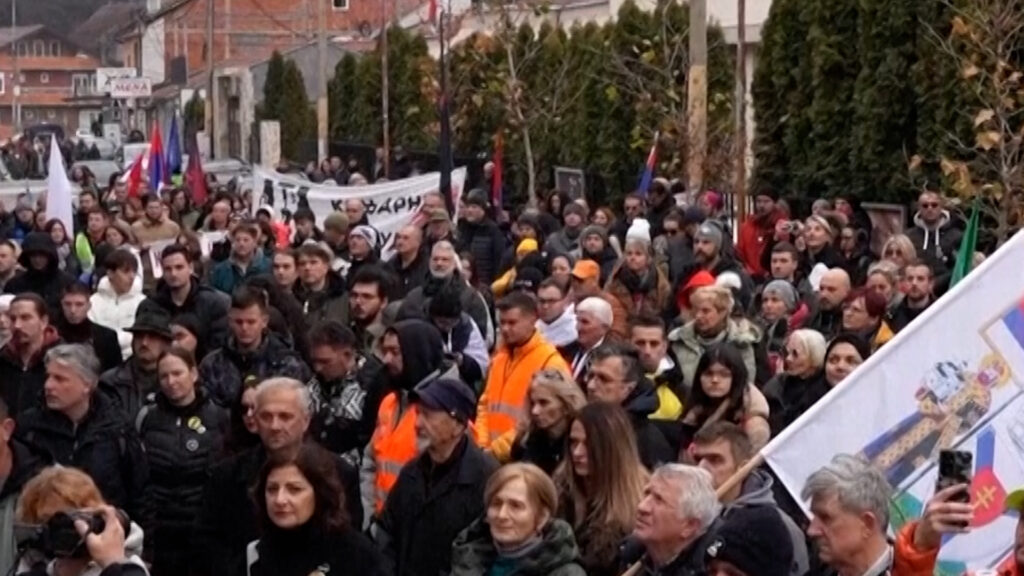
Thousands of demonstrators gathered in Novi Pazar, Serbia, on Sunday to protest what they perceive as government pressure on universities. The protest reflects growing concerns among students, faculty, and citizens about the autonomy of higher education institutions in the country. Demonstrators voiced fears that government influence could undermine academic freedom and the quality of education. The protest is part of a wider national discourse about the role of the government in education and societal development. Participants called for respect for university independence and transparency in decision-making processes affecting the academic community. This event adds to a series of demonstrations across Serbia, highlighting the tension between authorities and educational stakeholders. As the protests gain momentum, the government faces increased pressure to address the protesters’ demands. Observers note that the situation underscores broader political challenges in Serbia, including governance, civil rights, and public trust. Many students and professors expressed the importance of universities as spaces for free thought and innovation. The protest in Novi Pazar is significant due to the city’s cultural and educational importance in the region. Organizers emphasized peaceful demonstration and dialogue as the way forward to resolve conflicts. The public’s engagement shows a robust commitment to defending educational values and institutional autonomy. Meanwhile, government officials have acknowledged the demonstrations but have yet to outline specific responses or policy adjustments. Political analysts suggest that the protests could influence upcoming policy decisions affecting higher education. The international community is also watching developments closely, given the role of education in Serbia’s future integration with broader European frameworks. Social media played a key role in mobilizing support and disseminating information about the event. The protestors’ demands include ensuring academic freedom, proper funding for universities, and removal of undue political interference. Some speakers at the rally highlighted past instances where government involvement had compromised university operations. The movement is gaining support from various societal groups, including parents, intellectuals, and non-governmental organizations. By sustaining public pressure, the demonstrators aim to safeguard the rights and futures of future generations of students. The event reflects a broader struggle for democratic principles and institutional integrity within Serbia. The protests resonate with similar movements worldwide where citizens call for transparent governance in education. The outcome of these events could set precedents for how educational institutions interact with governmental bodies in Serbia moving forward. The demonstrators plan to continue their activities until they see tangible commitments from the authorities. Overall, the protest in Novi Pazar is a pivotal moment for education and democracy in Serbia, highlighting the population’s willingness to stand up for their beliefs and rights.