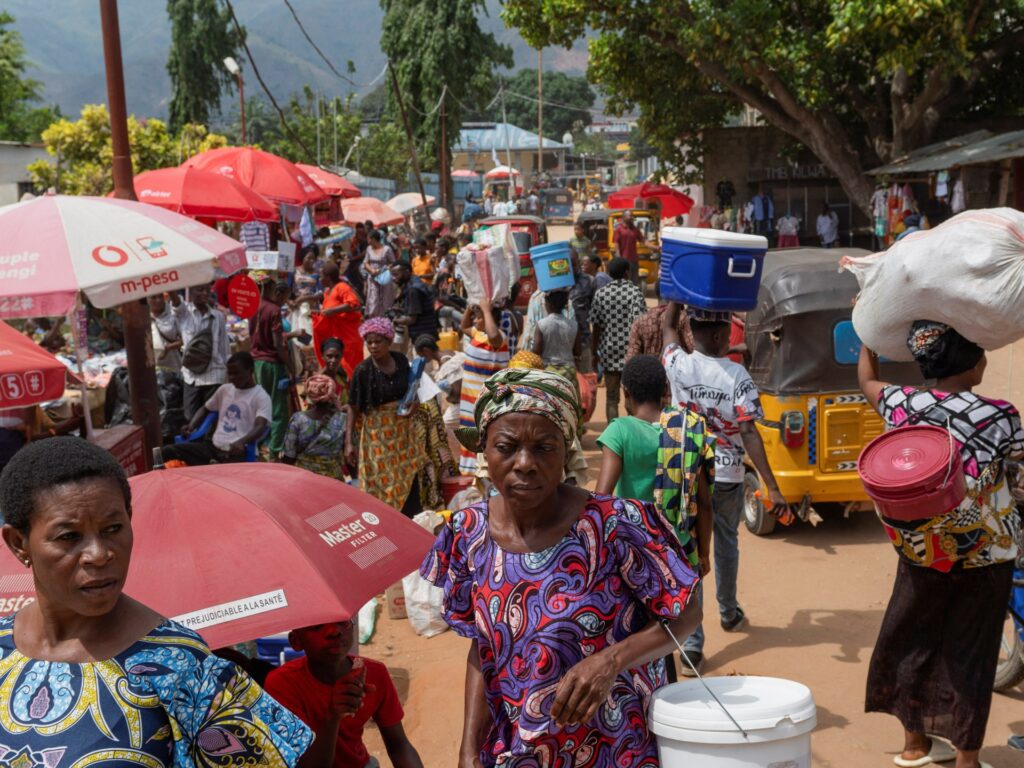
The United Nations Security Council (UNSC) has issued a strong condemnation of Rwanda and the M23 rebel group for the recent offensive in eastern Democratic Republic of Congo (DR Congo), which has resulted in hundreds of deaths and the displacement of tens of thousands of people. The UNSC resolution calls on Rwandan troops to immediately withdraw from the conflict zone, emphasizing the urgency to restore peace and stability in the region.
The conflict in the eastern DR Congo has been a persistent source of instability, with the M23 rebel group accused of launching attacks that threaten the security and safety of local populations. The involvement of Rwandan military forces has further complicated the situation, leading to heightened tensions and widespread humanitarian crises.
According to reports, the offensive has caused significant casualties among civilians and combatants alike. Hundreds have been killed in the clashes, and the area has seen a massive displacement of tens of thousands of residents seeking refuge from the violence. Humanitarian agencies have expressed grave concerns over the worsening situation, noting the urgent need for access to aid and protection for vulnerable communities.
The UNSC resolution underscores the international community’s commitment to upholding the sovereignty and territorial integrity of the Democratic Republic of Congo. It reiterates calls for all parties to cease hostilities and engage in dialogue to achieve a sustainable resolution. The council also stresses the importance of respecting human rights and ensuring accountability for violations committed during the conflict.
Regional actors and global stakeholders have been urged to support efforts aimed at de-escalating the violence and fostering long-term peace in the Great Lakes region. The UNSC’s condemnation is a clear message that such offensives and external interventions undermine regional stability and pose a serious threat to international peace.
Efforts to negotiate ceasefires and promote peace talks have so far met with limited success. The complexity of the conflict, involving multiple armed groups and geopolitical interests, continues to challenge conflict resolution processes. The international community’s renewed call for restraint is aimed at preventing further deterioration of the humanitarian and security situation.
The eastern DR Congo remains a critical flashpoint with strategic and economic significance, rich in mineral resources yet plagued by conflict and lawlessness. The ongoing violence limits development opportunities and perpetuates cycles of poverty and instability.
The United Nations and partner organizations continue to monitor the situation closely. Aid missions are being coordinated to provide food, medical care, and shelter to displaced populations impacted by the offensive. Security measures are also being reviewed to protect humanitarian workers operating in high-risk areas.
The UNSC resolution serves as a pivotal moment in reinforcing the international normative framework against external military interventions and rebel offensives that threaten sovereign nations. The council’s stance aims to deter further escalations and promote a peaceful, negotiated solution that honors the rights and safety of the affected communities.
As the situation unfolds, global attention remains focused on eastern DR Congo, with hopes that diplomatic efforts will prevail to end the cycle of violence and foster reconciliation and recovery in the long-troubled region.