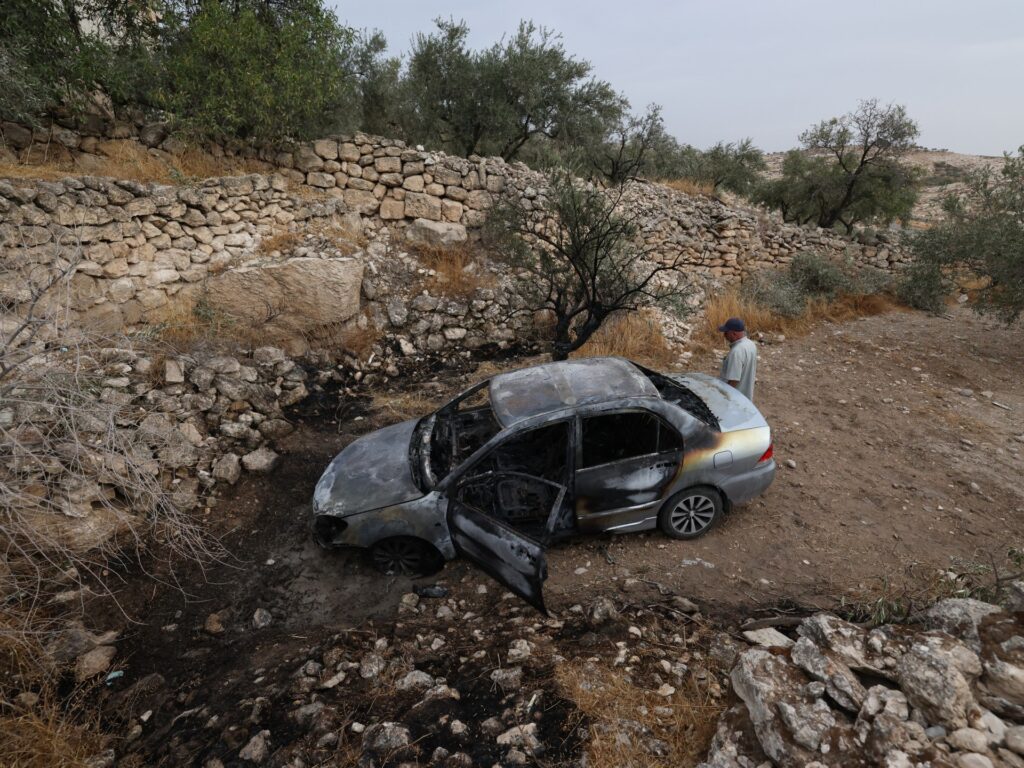
In a troubling escalation of violence in the West Bank, settlers have set fire to a mosque as Israeli forces conducted raids in several villages. This destructive act marks a significant intensification in the already tense situation in the region, raising concerns about the safety and stability of local Palestinian communities.
The incident took place during a series of coordinated actions by Israeli forces targeting villages within the West Bank. The raids aimed at apprehending individuals suspected of militant activity, but they have also led to clashes and widespread disruption of daily life for residents.
In addition to the arson attack on the mosque, settlers were involved in a separate violent incident in the town of Beita, located south of Nablus. There, they attacked a young boy, further exacerbating tensions between the communities and heightening fears of more frequent and severe confrontations.
The burning of the mosque is particularly provocative given the religious and cultural significance of such sites, underscoring how conflict in the region continues to inflame religious sentiments and divisions.
Local authorities and community leaders have condemned the attacks, calling for restraint and urging both Israeli forces and settlers to avoid actions that could further destabilize the area.
Human rights organizations have also voiced concern over the recent flare-ups, noting that such incidents contribute to a cycle of violence that undermines any efforts towards peace negotiations.
The international community has been monitoring the West Bank closely, advocating for respect of human rights and urging both sides to return to dialogue as a path to resolving their disputes.
Meanwhile, Palestinian residents of the affected villages are coping with the immediate aftermath of the raids and the damage caused by the arson attack. Many express fear and uncertainty about the future, citing ongoing threats to their homes, places of worship, and personal safety.
The incident adds to a long history of conflict and unrest in the West Bank, where issues related to settlements, military presence, and political sovereignty remain deeply contentious.
Efforts to find a lasting solution have been complicated by such episodes, which fuel mistrust and resentment on all sides.
As investigations proceed, the demand for accountability and justice grows louder within both local and international circles.
This recent surge in violence serves as a stark reminder of the fragile and volatile nature of the situation in the West Bank, emphasizing the urgent need for renewed peace efforts and meaningful engagement between Israelis and Palestinians.
The situation remains fluid, with community leaders and authorities alike watching closely for any further developments amid rising tensions in the region.